The Trivial Company

Vertical Parking Systems | The Trivial Company

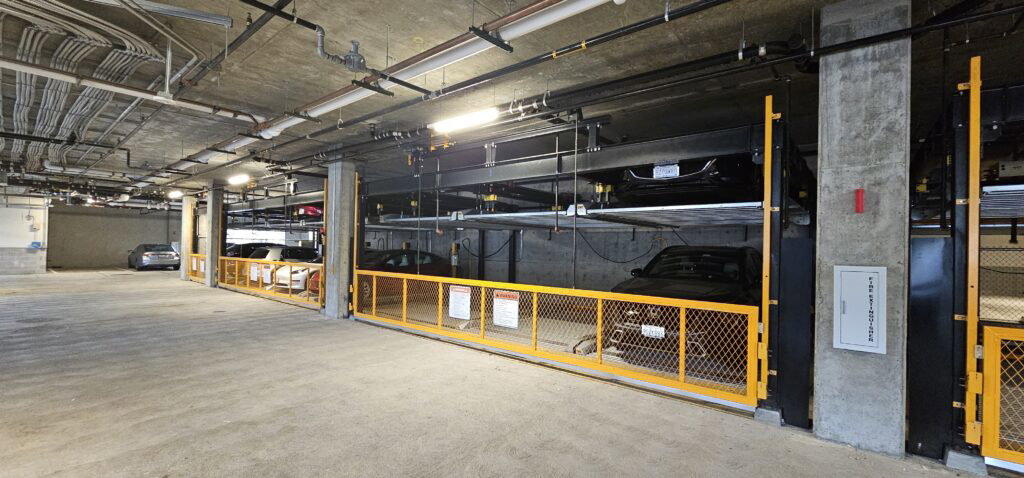
Parking Stackers and Puzzle Parking for High-Density Development As urban development becomes denser, traditional parking solutions are increasingly difficult to justify. Large surface lots and sprawling garages consume valuable land that could otherwise be used for housing, retail, or amenities. In response, developers are turning to vertical parking systems to meet parking requirements while preserving usable space. Vertical parking systems are designed to store vehicles upward rather than outward. By leveraging height instead of horizontal footprint, these systems allow significantly more vehicles to be accommodated within constrained sites. Among the most common vertical solutions used in high-density development are parking stackers and puzzle parking systems. The Role of Vertical Parking Systems in Dense Developments In high-density urban projects, land cost and zoning restrictions often make conventional parking infeasible. Vertical parking systems solve this problem by stacking vehicles in multiple levels using mechanical lifts, sliding platforms, or a combination of both. These systems are especially well-suited for infill projects, mixed-use developments, and multifamily buildings where excavation depth is limited or expensive. By reducing the physical footprint required for parking, developers can allocate more space to revenue-generating uses while still complying with local parking codes. An overview of common stacker configurations can be found here: https://thetrivialcompany.com/parking-stackers/ Parking Stackers vs. Puzzle Parking Systems While both solutions fall under the umbrella of vertical parking systems, parking stackers and puzzle parking systems serve slightly different needs. Parking stackers typically move vehicles vertically, placing one car above another. They are mechanically simpler and often used where access frequency is moderate and space constraints are straightforward. Puzzle parking systems, on the other hand, combine vertical and horizontal movement. Vehicles are shifted laterally and vertically to access a specific parking space, allowing for higher density and greater flexibility. These systems are ideal for developments where maximizing parking count is a top priority. For a detailed look at puzzle-style configurations, see: https://thetrivialcompany.com/parking-puzzles/ High-Density Applications of Puzzle Parking Puzzle parking systems are frequently deployed in urban residential towers, commercial developments, and mixed-use projects where land is extremely limited. Multi-level installations, such as seven-level systems, demonstrate how vertical parking systems can dramatically increase capacity without expanding a building’s footprint. A real-world example of this approach can be explored here: https://thetrivialcompany.com/7-level-puzzle-system/ Why Vertical Parking Systems Continue to Gain Adoption As cities grow upward, parking infrastructure must evolve accordingly. Vertical parking systems provide a scalable, efficient solution for high-density development by reducing land use, lowering construction complexity, and supporting modern urban design goals. The Trivial Company designs, installs, and services all of these systems, including parking stackers, puzzle parking systems, and fully customized vertical parking configurations. From early design coordination through installation and long-term support, our team handles the entire process for high-density projects nationwide. Contact Us Schedule an Appointment

Most Common Car Stackers for Parking | Parking Stacker Systems

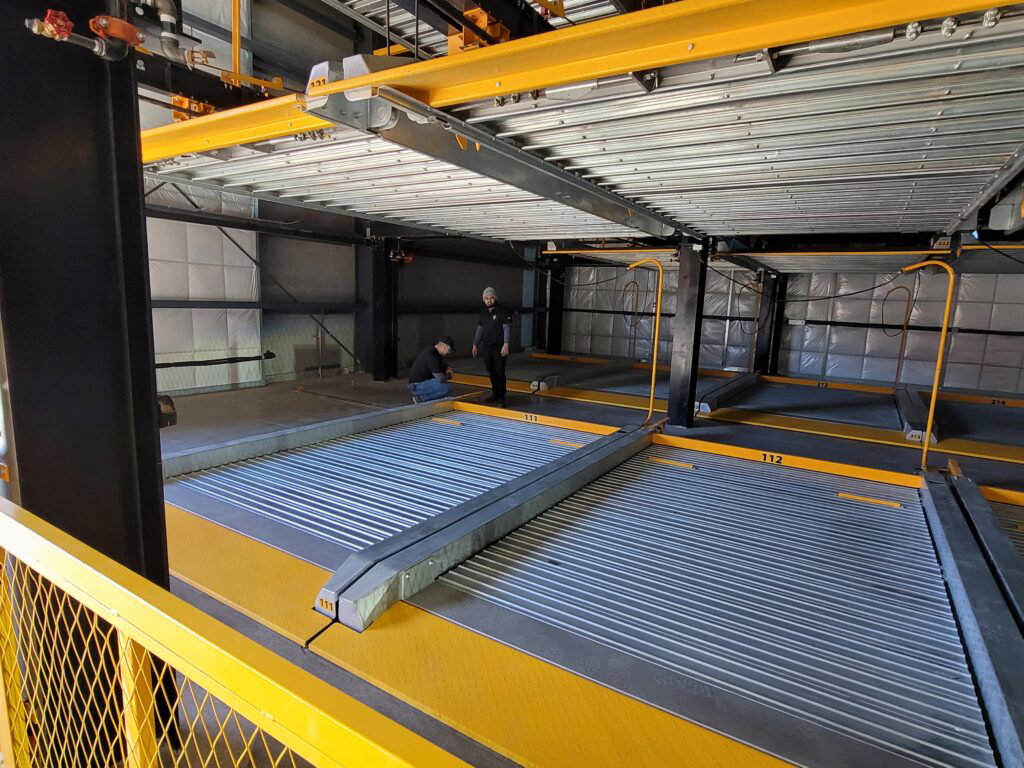
Understanding One of the Most Common Car Stackers for Urban Parking Urban environments face a constant challenge: how to accommodate more vehicles without expanding horizontally. As cities grow denser and land values rise, traditional surface parking and large garages become inefficient and costly. This is where a parking stacker system has emerged as one of the most practical and widely adopted solutions for urban parking. A parking stacker system is a mechanical parking solution that allows multiple vehicles to be stored vertically within the footprint of a single parking space. By stacking cars one above another, these systems dramatically increase parking capacity while minimizing land use, making them ideal for urban residential, commercial, and mixed-use developments. How a Parking Stacker System Works At its core, a parking stacker system uses steel platforms, lifting mechanisms, and safety controls to raise and lower vehicles vertically. Depending on the configuration, drivers may park the vehicle directly onto the platform or hand it off to an attendant. Once positioned, the system lifts the car to create space for another vehicle below or above it. These systems are commonly installed in areas with strict zoning requirements, limited square footage, or retrofitted buildings where excavation is not feasible. Compared to fully automated garages, stackers offer a simpler, cost-effective approach while still delivering significant space savings. For a broader overview of available configurations, see the Parking Stackers page . Why Car Stackers Are Ideal for Urban Environments The primary advantage of a parking stacker system is efficiency. In cities where every square foot matters, stacking vehicles vertically allows developers and property owners to maximize parking without expanding the building footprint. This can be especially valuable for infill projects, adaptive reuse, and multifamily developments. Car stackers also reduce construction complexity compared to deep underground garages. In many cases, they can be installed above grade, shortening timelines and lowering costs. Real-world installation examples can be seen here: Parking Stacker Installation Job Site . Common Applications of Car Stacker Systems Car stackers are frequently used in urban apartment buildings, boutique hotels, office buildings, and mixed-use developments. They are also popular in cities with strict parking minimums, where meeting code requirements without sacrificing rentable space is critical. To explore how these systems are applied specifically in dense city settings, read: Car Stackers for Urban Parking . A Proven Urban Parking Solution As cities continue to grow vertically, parking must evolve in the same direction. A parking stacker system offers a proven, scalable way to increase parking capacity while respecting the physical and economic constraints of urban environments. For developers and property owners looking to balance space efficiency with practicality, car stackers remain one of the most effective solutions available today.

Understanding One of the Most Common Car Stackers for Urban Parking

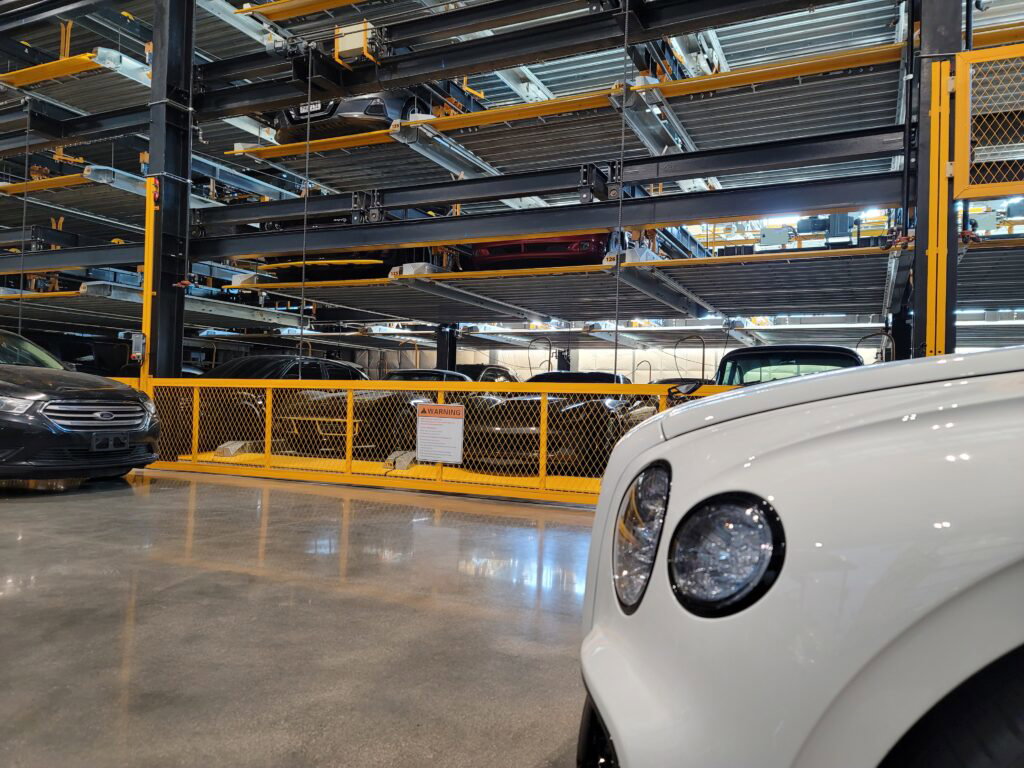
In the world of urban development and property management, one solution continues to rise in popularity because of its practicality, space efficiency, and reliability: car stackers. These mechanical systems are transforming how buildings handle parking, especially in dense markets where every square foot matters. At their core, car stackers allow multiple vehicles to be parked in the same footprint that would normally hold a single car. By stacking vehicles vertically, developers and property owners can increase usable space without expanding the parking area horizontally. This makes car stackers a preferred solution for residential buildings, mixed-use developments, and retrofit projects across the Bay Area and beyond. Why Car Stackers Are So Common One reason car stackers are so widely used is their versatility. Unlike large-scale automated parking facilities that require significant structural modifications, car stackers can often be integrated into existing parking areas with minimal disruption. They rely on durable lifts and platforms that safely raise and lower vehicles with precision and reliability. Property owners choose car stacker systems because they: The 2-Level Puzzle Car Stacker System A great example of efficient design is the 2-Level Puzzle System offered by The Trivial Company. This configuration combines the vertical efficiency of a stacker with the lateral movement of a puzzle system. Instead of simply lifting one car above another, the puzzle layout uses controlled sequencing and smart positioning to optimize every inch of available space. The result is a compact, cost-effective parking solution that fits seamlessly into high-density residential, commercial, and mixed-use projects. These systems allow multiple cars to be arranged efficiently while maintaining quick, easy access for drivers. Smarter Parking Through Real-Time Monitoring Every car stacker system performs best when supported by intelligent maintenance and monitoring tools. That is where RAUL™ (Remote Access Unit for Lifts) comes in. RAUL enables real-time diagnostics and remote support for parking lifts, allowing technicians to monitor performance, detect issues early, and reduce unnecessary service calls. By combining physical efficiency with digital oversight, property managers can maintain higher uptime and lower maintenance costs. RAUL provides the visibility needed to keep parking operations smooth, safe, and predictable. How Car Stackers Fit into Modern Development In cities like San Francisco, Oakland, and San Jose, traditional parking structures often take up valuable land that could be used for housing or amenities. With car stackers, developers can double their parking capacity within the same footprint, freeing up space for more productive uses such as retail, open space, or residential units. This combination of compact design and smart technology makes car stackers one of the most cost-effective tools for developers seeking to balance efficiency, safety, and modern design expectations. The Future of Car Stackers in Urban Projects Car stackers are no longer niche solutions. They are now an essential part of modern construction and urban design. As land prices increase and zoning regulations evolve, mechanical parking systems continue to help developers meet density requirements without sacrificing project aesthetics or livability. At The Trivial Company, we design, install, and maintain mechanical parking systems that work seamlessly for the long term. From the 2-Level Puzzle System to RAUL™ monitoring, every part of our process is built around reliability, safety, and performance.

How Remote Monitoring Reduces Downtime in Automated Parking Systems

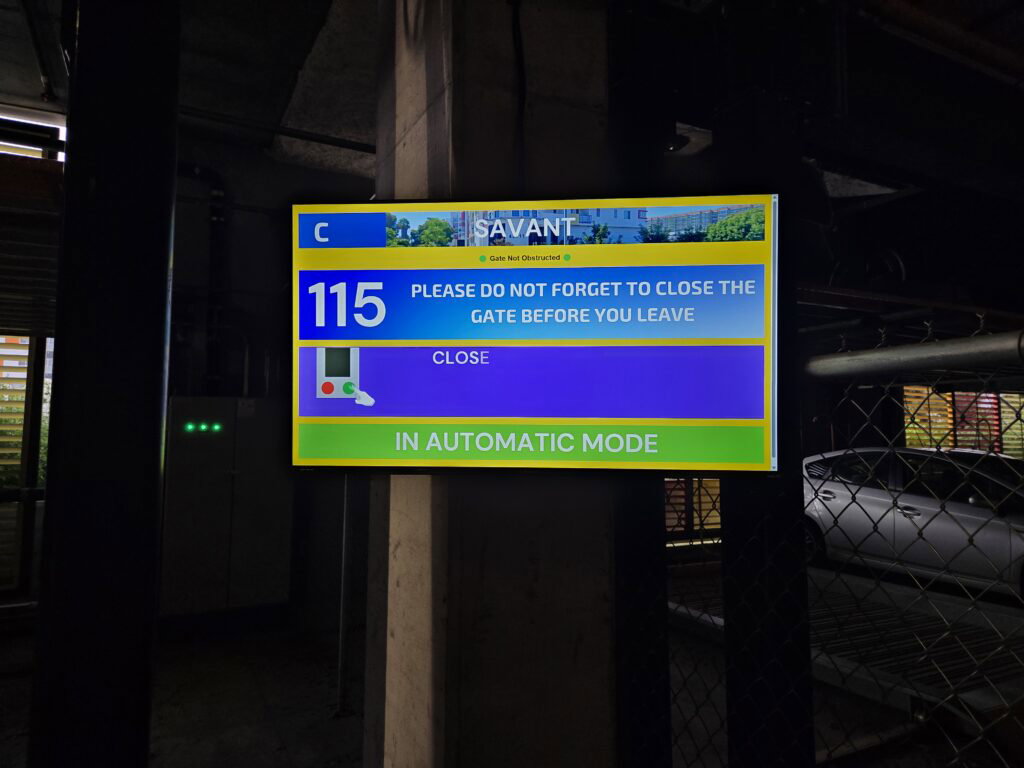
Automated parking systems solve one problem extremely well: space. But as parking density increases, reliability becomes just as critical as capacity. Even minor issues can take multiple parking spaces offline, frustrate tenants, and trigger expensive service calls. In many cases, downtime is not caused by mechanical failure. It is caused by a lack of visibility. The most common causes of downtime Most parking lift interruptions stem from small, correctable issues: Without real-time insight into what the system is actually doing, property managers and service teams often default to shutting everything down and calling for service. Why on-site response is often unnecessary When a parking system goes offline, the default response is reactive. A technician is dispatched before anyone fully understands what went wrong. This leads to delays, higher costs, and unnecessary downtime, especially after hours. Remote monitoring changes this approach. With live system data and visual access, technicians can assess the situation immediately. Many issues can be resolved remotely by confirming safe conditions, closing unattended gates, clearing minor faults, or stabilizing power-related errors. Systems like RAUL (Remote Access Unit for Lifts) were designed specifically to support this kind of real-time diagnosis and intervention, allowing trained operators to see what is happening before deciding whether an on-site visit is truly needed. Continuous visibility leads to better operations Remote monitoring is not just about faster response. It enables better long-term decision-making. When system behavior is continuously visible, patterns emerge: Instead of reacting only after a breakdown, issues can be addressed earlier and more predictably. Reliability matters in dense parking environments As parking density increases, the margin for error shrinks. Automated parking systems require tools that provide ongoing visibility and control, not just emergency response. Downtime is rarely about complexity alone. More often, it is about not knowing what is happening when something small goes wrong.

Why Clean Job Sites Matter for Parking Stacker and Puzzle Parking Projects

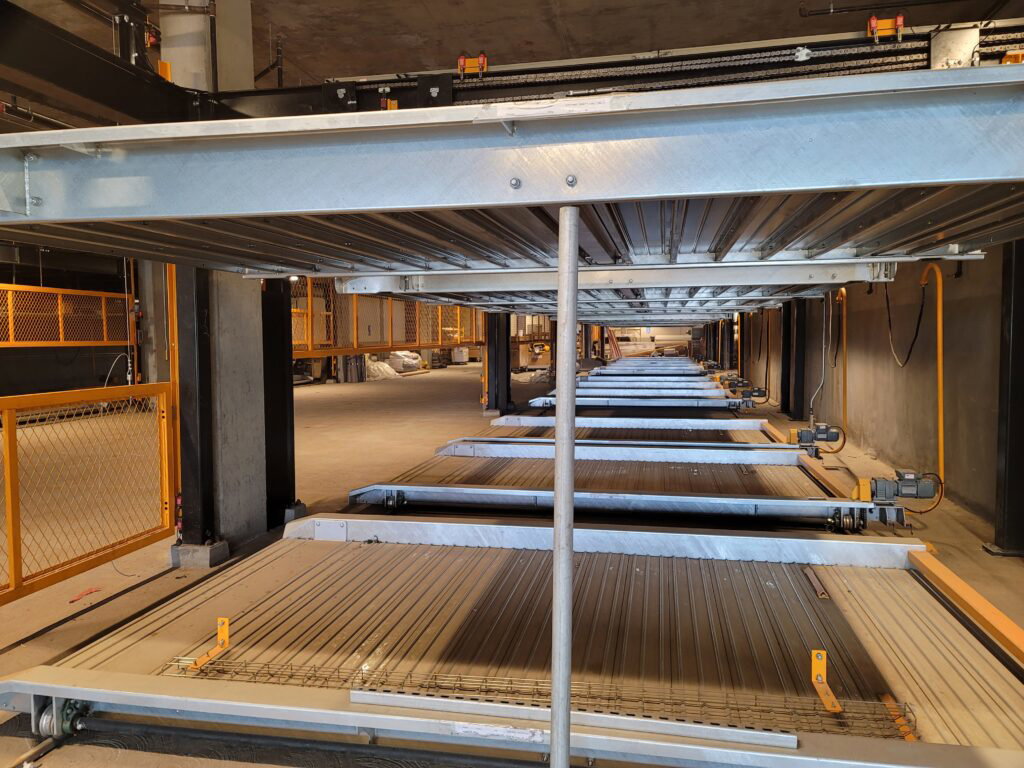
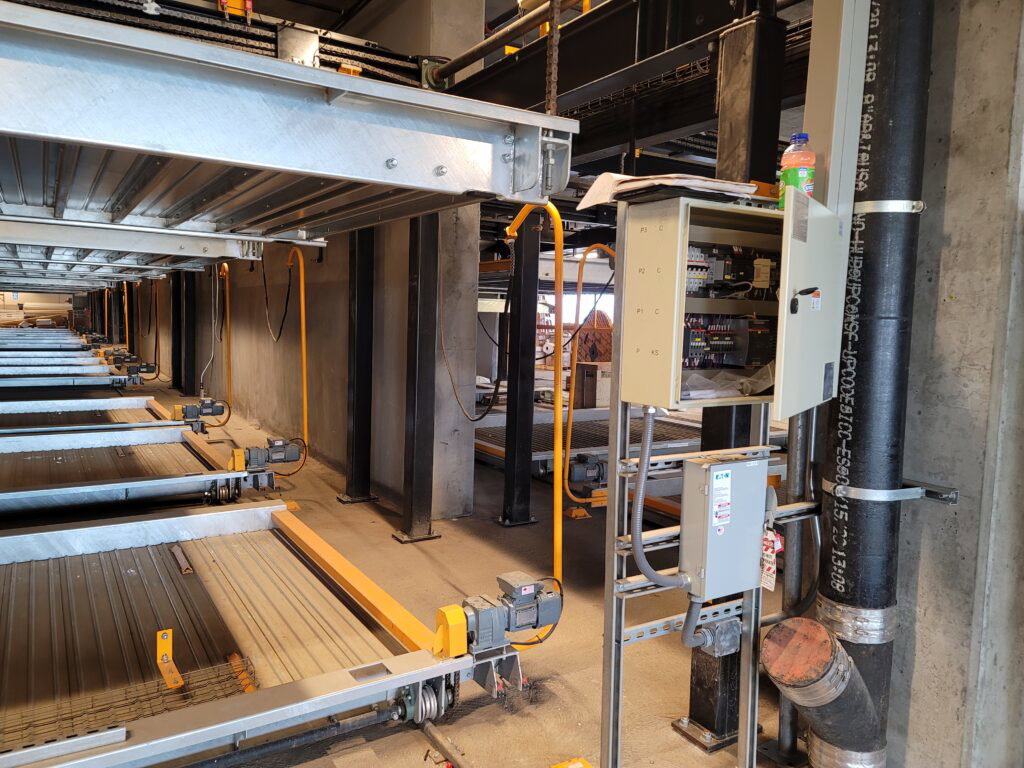
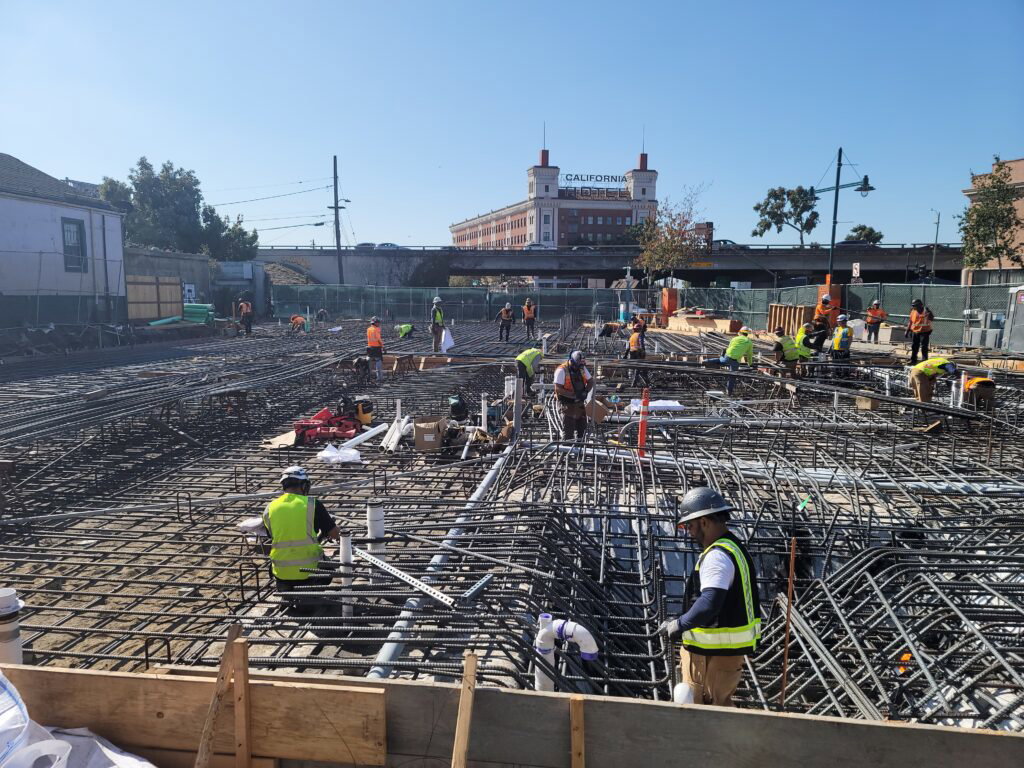
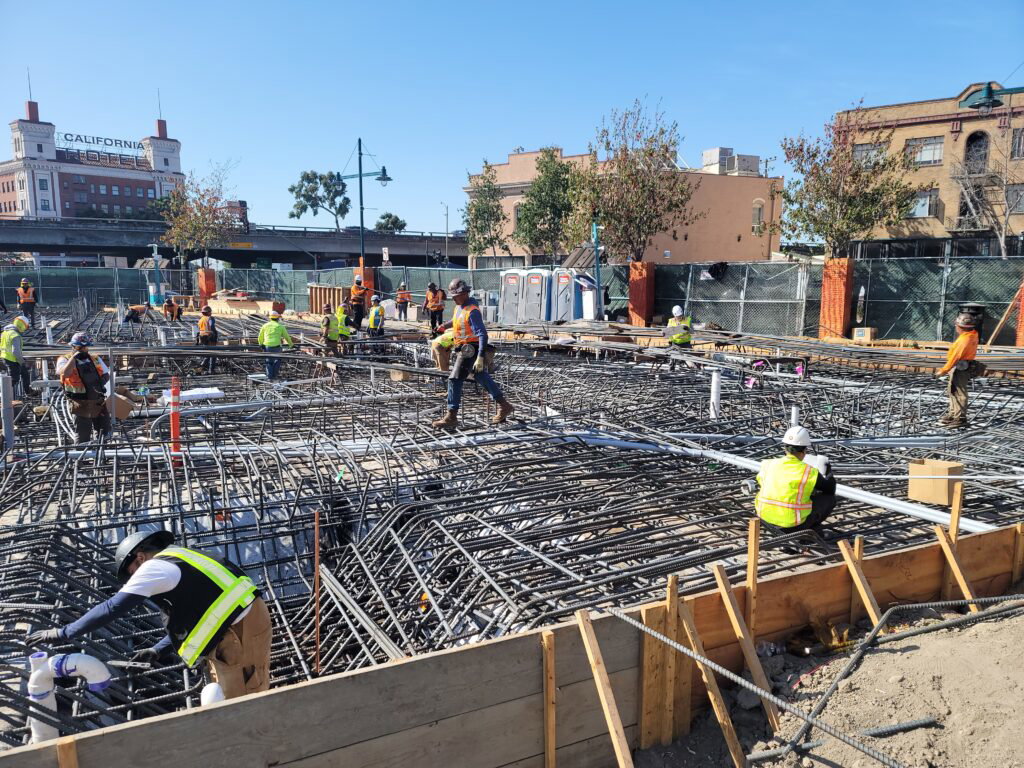
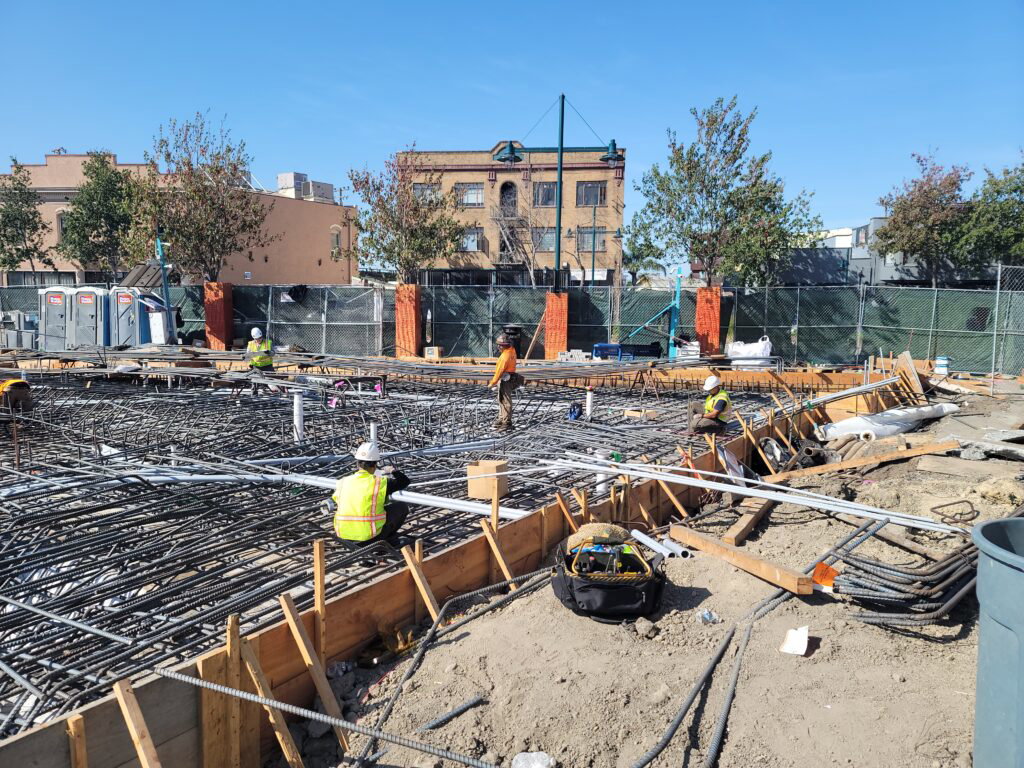
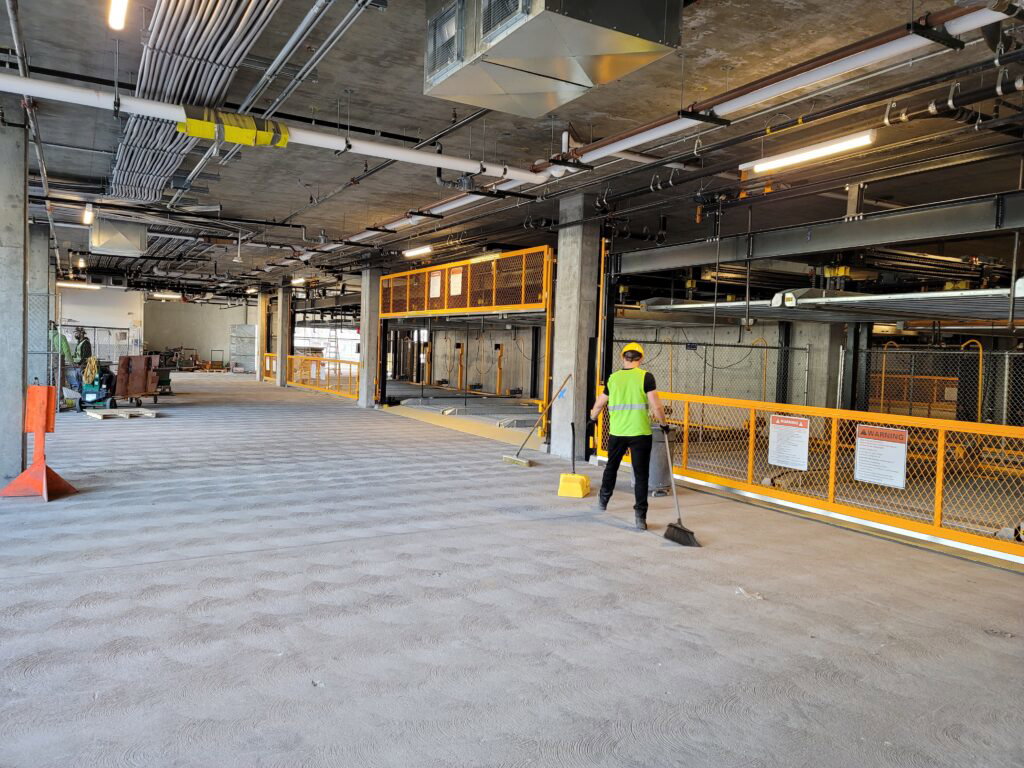
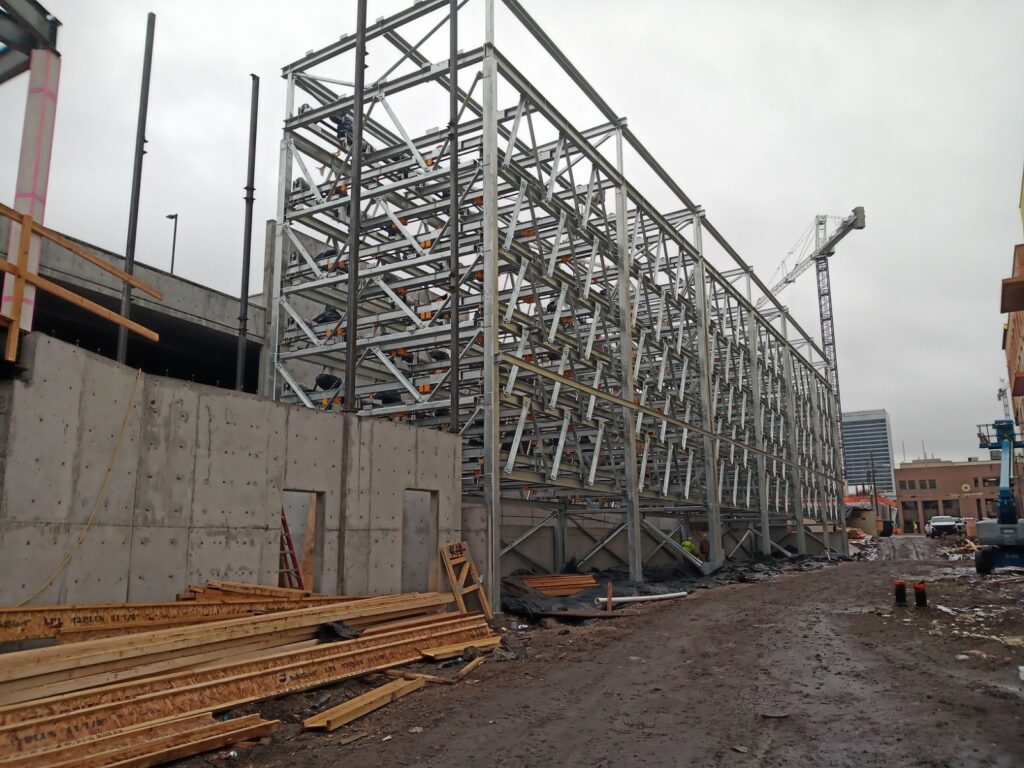
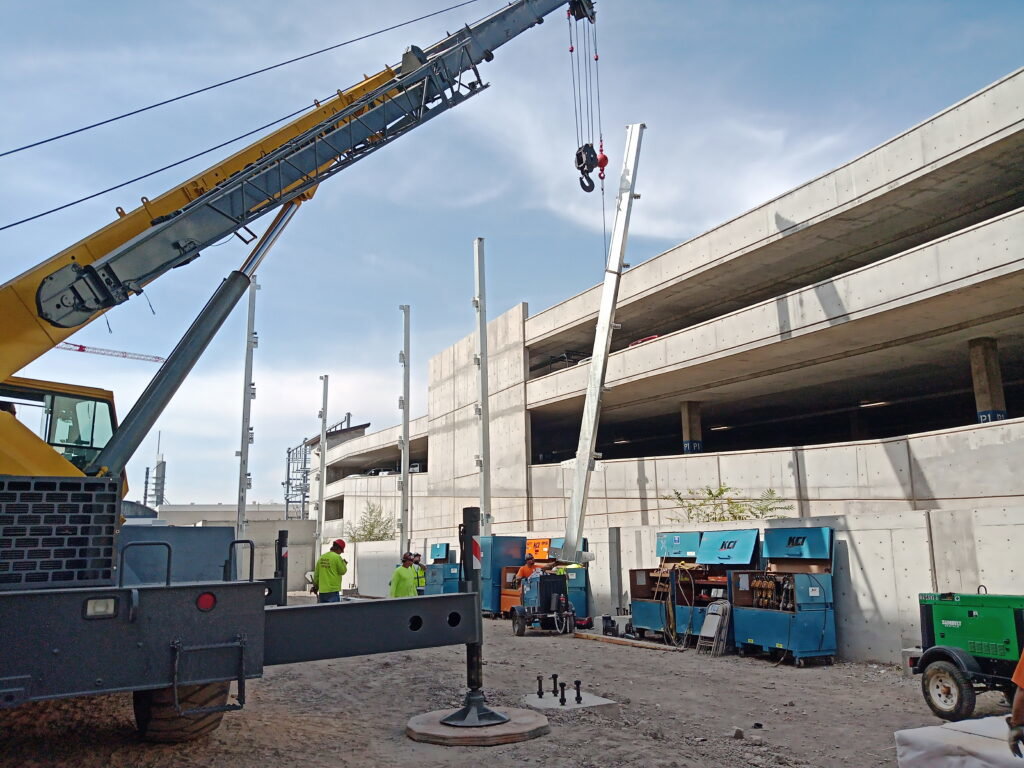
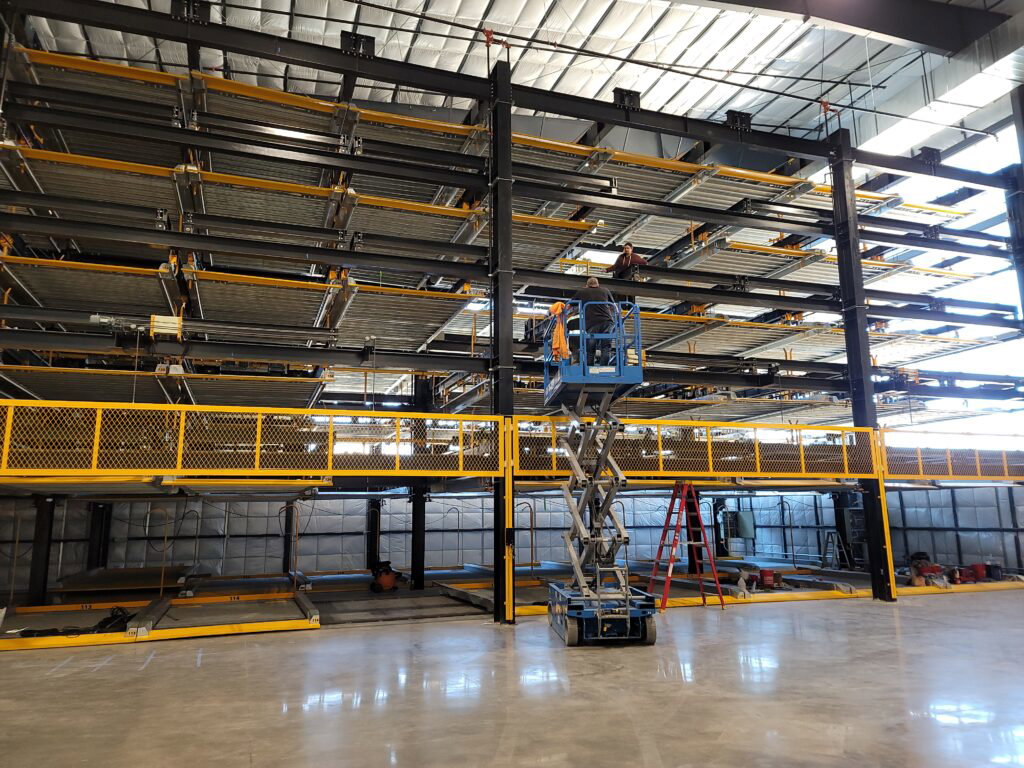
Why Clean Job Sites Matter for Parking Stacker and Puzzle Parking Projects In construction and installation work, first impressions are not just about aesthetics. A clean, organized job site reflects quality, discipline, and respect for both the craft and the client. When you are installing complex equipment like parking stackers or puzzle parking systems, the way a site is managed matters as much as the mechanical precision of the lifts themselves. For property developers and managers in dense urban markets like the Bay Area, Seattle, and Los Angeles, a project’s success is judged not only by the final result but also by how respectfully the process unfolds. Clean job sites lead to safer conditions, better coordination, fewer delays, and higher client confidence. Clean Sites Prevent Costly Delays Mechanical parking systems are engineered products. Every lift, platform, guide rail, and sensor has exact tolerances. During installation and maintenance, installers and technicians move tools, hardware, and heavy components around narrow spaces. A site filled with clutter puts that precision at risk. Loose materials, tools on walkways, and unmanaged debris can lead to trips, damage, misplaced parts, and delayed installations—especially in tight urban environments where every square foot counts. Clean sites keep workflow smooth, safe, and precise from start to finish. Safety Comes First with Parking Stacker Projects Parking stacker and puzzle parking installations have unique safety needs: heavy steel, hydraulic systems, and compact work zones. Clean, organized spaces reduce risk, help teams focus, and make supervision easier. Clear walkways and labeled parts also make multi-trade coordination more efficient. Professionalism Builds Trust with Property Owners Property owners are investing in a process, not just a product. A clean job site shows respect for the property and builds trust with clients and tenants who see professionalism in action. When projects are neat, safe, and disciplined, it sends a message that the team values long-term reliability as much as short-term progress. Clean Sites Support Coordination and Long-Term Performance Parking stacker installations often happen alongside electricians, concrete crews, and general contractors. An orderly site improves communication, reduces interference, and keeps each phase on schedule. Cleanliness during installation also sets the tone for future maintenance—systems installed with care are typically maintained with care. Building Reputation One Job Site at a Time In this industry, reputation is everything. A reputation for clean, efficient, and safe job sites is a competitive advantage. It shows clients that your team values craftsmanship and precision at every step. For complex systems like parking stackers and puzzle parking installations, that attention to detail defines success. A clean site isn’t just a sign of order—it’s a reflection of respect for the space, the people, and the technology being installed. That’s the foundation of every reliable system we deliver. #ParkingStackers   #PuzzleParking   #ConstructionSafety   #UrbanDevelopment   #TheTrivialCompany Contact Us Schedule a Meeting

Parking Stackers and Puzzle Parking for High-Density Development

Parking Stackers and Puzzle Parking for High-Density Development In cities like San Francisco, Oakland, and San Jose, where land is both limited and expensive, developers face one constant challenge: how to fit more within less. Parking stackers and puzzle parking systems are changing the equation by allowing urban sites to multiply usable space without increasing footprint. Mechanical parking systems eliminate the need for ramps and large circulation areas, reducing the total garage size by up to 60%. This efficiency translates directly into buildable area that can be repurposed for housing, retail, or green space. The result is smarter, more sustainable development in every sense. Why It Matters for High-Density Development Every square foot matters in high-density construction. By adopting automated parking systems, developers can align with density bonus programs, improve sustainability scores, and reduce long-term maintenance costs. These systems also enhance accessibility and safety by limiting human movement in mechanical zones. Smarter Cities, Stronger Projects At The Trivial Company, we help architects and builders integrate compact parking systems that support both design freedom and financial performance. Whether your project involves urban infill, mixed-use development, or residential high-rise construction, mechanical parking can help maximize the return on every cubic foot of space. For high-density areas across the Bay Area and beyond, stacker and puzzle systems are not just efficient—they are essential tools for modern urban growth. #ParkingStackers   #PuzzleParking   #UrbanDevelopment   #SmartCityDesign   #TheTrivialCompany Contact Us Schedule a Meeting

The Hidden Architecture Beneath Your Tires: The Engineering Beauty of Puzzle Parking

Dear City Dweller, When most people think about architecture, they look up — toward towers, glass, and skyline. But some of the most inventive engineering in modern cities happens beneath your tires — in the mechanical spaces that make dense, efficient development possible. Puzzle parking isn’t limited to underground garages. These systems operate just as effectively at street level, within podiums, or inside mixed-use buildings, transforming ordinary footprints into dynamic, high-capacity environments. By combining vertical and horizontal motion in precise mechanical patterns, they turn static structures into spatially intelligent frameworks that multiply parking density without sacrificing design. A standout example is The Trivial Company’s Berkeley Puzzle Parking System, a three-level, 43-space configuration built entirely without pits — making it faster to install and easier to integrate into the site. Each of its three independent groups uses advanced generation-7 equipment for smooth, controlled motion and individual platform operation. Altogether, the system fits within 4,480 square feet, where a conventional layout might only manage about 15 cars. The beauty of the design lies in its restraint. Every lift, track, and platform contributes to a quiet choreography of efficiency — an architectural system that functions with purpose and precision. Vehicle compatibility across sedans, SUVs, and compact cars, plus conduit-ready EV infrastructure, makes the layout both flexible and future-proof. A single integration of The Trivial Company’s Remote Access Unit for Lifts (RAUL™) adds an extra layer of reliability through real-time diagnostics and monitoring, ensuring consistent performance without disrupting the system’s minimalist intent. Puzzle parking represents a new chapter in functional architecture — not something to look up at, but something that works beneath your tires, redefining how cities think about space, movement, and design.

When Steel Learns to Think: The Rise of Intelligent Parking Systems

How do you turn 17,000 square feet of needed parking space into just 4,140 square feet? The new generation of parking systems doesn’t just move vehicles — it interprets data, optimizes performance, and adapts over time. The result is infrastructure that behaves less like machinery and more like memory, learning from every movement to improve reliability, speed, and safety. And yes — it’s a serious space saver. Nowhere is this clearer than in The All Storage Parking System in Las Vegas, a six-level, 110-space installation that compresses what would normally require over 17,000 square feet into a footprint of just 4,140. Built for high-end vehicle storage, its tandem configuration doubles capacity in the same space while maintaining independent control and security for each vehicle bay. When The Trivial Company was brought in to complete and optimize the project, the goal wasn’t just to finish it — it was to make it smarter. Through precise mechanical calibration, refined control logic, and a focus on seamless synchronization, the system evolved from static hardware into an adaptive mechanical environment capable of running with exceptional efficiency and minimal oversight. Intelligence here isn’t about AI buzzwords — it’s about design that anticipates. With The Trivial Company’s Remote Access Unit for Lifts (RAUL™) providing insight into performance trends and maintenance timing, the system quietly tracks its own operational rhythm, turning raw movement into measurable data.

Parking as Infrastructure Intelligence: What Cities Can Learn from Data-Driven Garages

By The Trivial CompanyPublished on LinkedIn — 2025 When a garage starts whispering to the city, it stops being concrete and starts becoming intelligence. In every major city, parking remains a stubborn paradox: essential but inefficient, visible yet overlooked. For decades, it’s been a static cost — a place to leave a car, not to learn from one.But as urban planners push for smarter, more sustainable cities, a new idea is emerging: the data-driven garage. According to a 2025 study published in Scientific Reports, IoT-based parking networks can reduce search time by up to 35 % and cut local emissions by 20 % (Ala’anzy et al., 2025, Nature.com).That’s not just convenience — that’s urban efficiency. At The Trivial Company, we design, install, and service automated and semi-automated parking systems that not only move cars efficiently but collect valuable operational data. We call it Infrastructure Intelligence — because once the system starts measuring itself, it can start teaching the city how to move better. 1. The Quiet Revolution Beneath Our Cities Traditional garages generate one kind of data: revenue from tickets. Everything else — occupancy, turnover, duration, maintenance logs — is usually lost in the concrete.But with sensor-driven lifts, puzzle systems, and connected platforms, every stall becomes a data node. Each vehicle’s entry and exit record tells a story: who’s coming, how long they stay, when they leave, and how the facility performs under stress. Aggregated, this information transforms parking into a mobility barometer — a real-time indicator of how people move, live, and work. A ScienceDirect review of 240 smart-parking deployments found consistent patterns: occupancy analytics allowed cities to reallocate under-used zones and adjust pricing dynamically (Fahim et al., 2021, ScienceDirect).The result was not merely smoother parking — it was measurable CO₂ reduction, less congestion, and better land-use decisions. 2. What Cities Can Learn from Their Garages The garage, once a passive asset, is becoming an urban sensor. Occupancy as signal: When a downtown facility reaches 95 % occupancy before noon, planners can infer transit bottlenecks or event surges before they appear on the street. Dynamic resource allocation: Programs like SFpark in San Francisco showed that demand-based pricing reduced cruising traffic by nearly 50 % while improving space utilization (Wikipedia: SFpark). Land-use efficiency: Automated systems can reduce required parking footprint by 30–50 %. That reclaimed space becomes leasable square footage — an entire floor of apartments or retail that didn’t exist before. Infrastructure layering: Garages can double as data and energy nodes — housing EV chargers, micro-mobility stations, and air-quality sensors that feed municipal dashboards. As Radziszewska (2023) observed in her paper Data-Driven Approach in Knowledge-Based Smart City (ECKM Conference Proceedings), “the most underutilized data is that which sits beneath our feet — literally in our infrastructure.”Parking is one of those hidden reservoirs. 3. How Developers Are Turning Insight Into Return Real-estate developers are quietly learning that data has a return-on-intelligence as much as return-on-investment. For example, a 2024 TownePark Industry Report showed that smart-garage retrofits improved profitability by an average of 15 % within three years (townepark.com).Why? Because predictive maintenance, energy optimization, and dynamic pricing all depend on data flow. At The Trivial Company, our RAUL™ platform integrates lift diagnostics and usage analytics, reporting uptime rates above 99.9 %. Those same data streams support predictive service cycles — replacing parts before failure rather than after. Each lift cycle, each motor start, each stall’s occupancy becomes part of a feedback loop that saves both time and square footage. Our own case studies show that when automation meets analytics, a “parking problem” becomes an urban-space solution. 4. The Road Ahead: Parking as a Digital Utility What happens when this intelligence scales?Cities could integrate garage telemetry into mobility platforms, allowing for real-time guidance, energy load balancing, and even carbon-credit trading. Ford’s pilot with Bosch in Detroit demonstrated autonomous valet infrastructure that increased stall capacity by 20 % (Axios, 2020).Imagine coupling that with live environmental and energy data: the garage as both parking and power-distribution node. In other words, parking stops being an endpoint and becomes a sensor-grid — an essential layer in the data-driven city. 5. Building the Future, One Lift at a Time The transition won’t happen automatically (no pun intended). It takes investment, collaboration, and a mindset shift.Yet the payoff is undeniable: quieter streets, lower emissions, more usable space, and buildings that learn. As we tell our partners, “You don’t just install a parking system; you install a source of urban intelligence.” At The Trivial Company, our goal isn’t to make parking beautiful (though we do that too). It’s to make it meaningful — to help cities and developers see garages not as dead space, but as active participants in the civic network. Because the smartest cities won’t just collect data from the sky — they’ll listen to what’s happening beneath their streets.

Park Here! How Smart Developers Turn Parking Into Profit

“Oh shoot—nowhere to park,” Jason groaned, gripping the wheel as another Lot Full sign blinked to life in downtown San Francisco.“Relax,” Maya teased, pointing down the side street. “Remember? Mom’s building has one of those car-elevator things. They let guests use it.” Jason, a property manager for a large hotel near Market Street, sighed but turned anyway. Moments later, their sedan eased onto a steel platform and rose into the structure above.  Maya folded her arms with a satisfied grin. “See? Magic.” Jason chuckled. “Magic that probably saves the owner a fortune on land.” As they walked toward the waterfront to watch the annual bike marathon, Jason’s mind drifted. What if my hotel had one of these? He imagined a parking-lot genie appearing beside him, clipboard in hand and grease on his knuckles. Jason: “Alright, Genie—be straight with me. How could something like this actually make money?”Genie: “Simple. Smaller footprint, faster build, more usable space. Every square foot you save on ramps can earn revenue instead.”Jason: “And the cost?”Genie: “Think lifecycle, not layout. Semi-automation trims what heavy concrete and deep digging inflate—and those savings start adding up from day one.” Jason stopped for a moment on the curb, watching the cyclists fly past. From day one. The thought pulsed like a spark of possibility. He looked toward the Genie with a faint, grateful smile. “You might’ve just saved my business,” he murmured. The Genie gave a knowing nod, fading into the afternoon sunlight as Jason pictured the presentation already forming in his head—charts, models, maybe even a pilot proposal bold enough to change the way his hotel thought about space. “Hey, dreamer,” Maya laughed, nudging his arm. “Pay attention—there’s your brother, Mark!”Jason blinked, the vision dissolving—but the idea remained, clear as the skyline. From Imagination to Economics That passing thought mirrors a real shift happening in cities everywhere. Developers are rethinking the quiet drain of traditional parking—and discovering that semi-automated systems can flip those same square feet into long-term financial advantage. No wonder so many businesses are investing. Archive Market Research forecasted that the global parking-systems market would reach $1.8 billion by 2025, driven largely by semi-automated designs. The commercial real-estate association NAIOP reported that developers using semi-automated “puzzle” layouts have achieved up to 180 percent more parking capacity in the same footprint while reducing ramp and circulation costs. When land costs are steep, those structural efficiencies can dramatically improve project economics. This is why the conversation about parking has shifted from cost to capital allocation. In tight urban environments, every foot of reclaimed land becomes potential revenue: new retail frontage, additional units, or simply less property to purchase and maintain. For hotels like Jason’s, those gains could mean more rooms, amenities, or outdoor space without increasing footprint. Businesses are also showing growing trust in these systems—an important step in broader adoption. And it’s not just trust—it’s math. Freeing even a modest share of surface area for other functions can measurably boost a property’s net operating income. In short, semi-automated parking isn’t only a design innovation—it’s an economic strategy. It allows developers to: For property owners, the message is clear: the space where cars sleep can finally start working for them. Case in Point: Paperbox Lofts A real-world example stands in Salt Lake City, where Paperbox Lofts incorporates three independent seven-level semi-automated parking towers delivering 108 spaces within roughly 3,150 sq ft of footprint. By comparison, a conventional layout for the same capacity would have required more than 17,000 sq ft plus drive lanes. The Trivial Company completed the mechanical installation, controls integration, use of The Trivial Company’s proprietary R.A.U.L™ live monitoring, and system commissioning—demonstrating how compact, well-engineered parking can extend beyond convenience into measurable efficiency. While every project differs, Paperbox proves that the principles Jason imagined aren’t fiction. For developers and property managers, they represent a new category of ROI: the kind built on smarter space, not larger lots. The Bottom Line Parking will always be a necessity—but it doesn’t have to be a liability. Semi-automated systems are reshaping the economics of real estate, from hotels to multifamily developments to commercial hubs. And just maybe, as Jason sits down to outline that presentation for his team, he pauses for a moment, thinking of the Genie that started it all—and smiles.

Wait Times: Retrieval Is Faster Than You Think

  If you’ve ever explored an automated or puzzle-parking solution, chances are your first question was, “How long will it take to get my car?”  It’s a fair concern—and one we hear from nearly every developer and property owner we work with. But real-world data tells a different story: car retrieval in a well-designed automated system is faster, smoother, and far more predictable than most people imagine. Real Data Beats Assumptions At The Trivial Company, we’ve been monitoring our installed systems for years through our proprietary RAUL™ data platform. RAUL™ tracks live usage patterns—every retrieval, every gate call, every peak period—so we don’t have to guess how these systems perform. We know. When one of our partners asked whether a 120-car project would handle morning traffic efficiently, we turned to this data for the answer. The comparison point? A similar 96-space, 3-level system with two gates. The chart below—based on live RAUL™ data—shows actual retrieval calls per 10-minute interval for that property. You can clearly see how vehicle requests occur in short, staggered bursts rather than a single surge, illustrating the natural rhythm of departures that keeps retrieval times consistent and efficient. The numbers speak for themselves: Average retrieval time: ~2 minutes from call to exit Peak call clustering: no more than four requests within a 10-minute window per two-gate group Observed flow: consistently staggered departures throughout morning hours. Even during the busiest intervals, retrieval remained seamless—no backups, no bottlenecks, no long lines of drivers waiting around. The Myth of the Morning Rush It’s easy to picture everyone leaving at once, but real-world behavior rarely works that way. As Ariotti et al. note in their study A Queuing Approach to Parking: Modeling, Verification, and Prediction (read here), “arrivals occur randomly and independently over time rather than at fixed rush periods.” Academic data show this as well as The Trivial Company’s real-time data, as shown in the image at the top of the page. Across every RAUL™-monitored site, the pattern repeats itself: departures naturally stagger within two- to three-minute intervals. The idea of dozens of people all hitting “retrieve” at the same time simply doesn’t happen. This insight matters because it changes how developers should think about design trade-offs. You could add more gates or cages to shave seconds off retrieval time—but that often means losing valuable parking spaces and increasing costs for minimal gain. Efficiency isn’t just about speed; it’s about smart balance. Designing for Real Efficiency Every project comes with unique constraints: footprint, number of levels, available gates, and local traffic flow. Rather than rely on theoretical models, we use live data to inform each configuration. That means: Grouping gates strategically to balance throughput Modeling retrieval patterns before construction begins Optimizing capacity without compromising convenience With over 50 years of combined contracting experience, our team builds systems that are technically sound and operationally intuitive. The data doesn’t just prove performance—it shapes it. RAUL™: Our Advantage in the Field Our continuous monitoring through RAUL™ lets us gather insights that typical installers never see. We can evaluate how systems behave during real usage—tracking call frequency, timing, and gate response—and use that information to fine-tune future builds. The result: parking systems designed not from assumptions, but from evidence. Faster Than You Think Retrieving a car from an automated parking system shouldn’t feel like waiting for an elevator. And it doesn’t.In practice, most users see their vehicles in under two minutes—faster than many valet services or crowded surface lots during peak hours. At The Trivial Company, we turn parking challenges into something Trivial. Backed by live RAUL™ data and decades of engineering experience, our systems are built for real-world performance, not theoretical perfection. Curious about how fast your next project could run? Contact The Trivial Company to see actual retrieval data from our live installations.Because when it comes to automated parking, the wait isn’t what you think—it’s shorter.  

What is a Semi-Automated Parking System?

             By stacking and sliding cars efficiently, these systems can double, triple, or even quadruple capacity in the same footprint, making them ideal for residential complexes, offices, and commercial properties where space is limited. The controlled movement of vehicles also reduces the chance of accidents or scrapes, giving both drivers and property owners peace of mind. A semi-automated parking system (SAPS) combines modern technology with everyday ease, creating a safe and convenient way to park. Drivers simply pull into a designated platform, and the system moves the vehicle into an organized space — no circling, no squeezing into tight spots, and no risky maneuvers. With semi-automated parking, parking becomes less of a chore and more of a seamless experience — safe, simple, and smart. How Semi-Automated Parking Can Boost Your Bottom Line SAPS drive real financial gains through smarter space use and operational efficiency. When you put more vehicles into the same footprint and reduce manual labor, your revenue per square foot climbs — often with strong ROI in just a few years. According to Parking Today, “facilities implementing parking technologies that improve utilization … can see a 5 %–20 % increase in revenue due to better space use and premium pricing strategies.” In addition, multilevel parking structures often cost $27,900 per space (*) or more to build. By contrast, using a semi-automated stacking or shuttle system lets you fit more vehicles into less structural volume — effectively lowering your cost per space. That can mean big dollars for your company to use elsewhere. Over time, those revenue gains and capital efficiencies compound, making semi-automated parking a powerful lever for increasing net operating income and property value. Case Study: U.S. Cities & Urban Land Value In many U.S. cities, land is extremely valuable—making parking a costly use of prime real estate. For example, LoopNet shows that in New York City the average land price per square foot is around $807 (3). Meanwhile, building a conventional multi-level parking structure can cost about $83.21 per square foot. Given those figures, dedicating large areas to surface parking or inefficient garages is a huge opportunity cost. When a city block costs hundreds of dollars per square foot, freeing even a few thousand square feet by using semi-automated systems can mean millions in unlocked value. By comparison, SAPS allow more cars to be accommodated within a smaller footprint. This efficiency means developers and owners can redirect freed space toward revenue-producing uses—like retail, housing, or green areas—while still meeting parking needs. The result: higher returns per square foot, lower capital expenditure per usable space, and smarter use of the city’s most valuable asset—land. Still not a believer? Take a look at the projects we’ve completed.

Automated Parking Systems Save Major Space in Urban Projects

Automated Parking Systems Save Major Space in Urban Projects Rethinking Urban Space In crowded cities, every square foot of land and building space needs to be maximized. Automated parking systems—like The Trivial Company’s puzzle-style stackers—allow developers and planners to reimagine parking lots to leave a much smaller footprint. By removing or greatly reducing the need for long ramps, as seen in traditional garages, these systems create room that businesses and residential properties need while decreasing the footprint. Flexibility in the space environment, utilizing sophisticated parking stackers and puzzle parking machines, gives the owners a technological edge in their respective operational spaces. A conventional parking garage is bulky and often leaves clients or staff having to find parking away from their targeted destination. That can lead to frustration and logistical issues. A well-designed mechanical parking system offers a suitable solution to this space problem. Increasing the number of available parking spaces in your building by 20% can push improve the quality of your business or residential space. In markets where land values exceed hundreds of dollars per square foot—San Francisco anyone—the savings can quickly reach into the millions. Adding leasable square footage can also translate into higher property valuations, stronger financing opportunities, increased customer flow, and favorable appeal to investors. Smart parking solutions doesn’t just add a technological advantage to your operations front, but showcases your care and concern for those that visit your facility.  Use Case: Paperbox Lofts in Salt Lake City, UT When a group of developers in Salt Lake set out on their mission to transform a narrow two-acre former factory site, called PaperBox, into what is now Paperbox Lofts, one key challenged they faced was providing enough space for parking without sacrificing square footage.  This beautiful parcel is now home to 195 apartments, including 39 affordable units. The process was clear for these developers once they discovered that the best solution would preserve space and add to the technical prowess of their facility. Automated parking technology became the key to unlocking the site’s full potential. The Trivial Company was the key players in bringing to fruition their noble objectives. Key features of PaperBox: Read more here about The Trivial Company’s project with PaperBox in The Salt Lake Tribune.

What Makes a Parking Puzzle System Reliable for 20+ Years | Trivial Company

A parking puzzle system is an investment meant to last decades — but only if it’s built and maintained the right way. At The Trivial Company, we’ve designed, installed, and serviced puzzle systems across California and Utah, keeping them running at peak performance for over 20 years. Here’s how we make puzzle systems last: Your parking puzzle system should work for you, not against you. That’s why we focus on reliability, safety, and long-term value — so you can focus on running your property without worrying about your parking. ? Contact us today to see how we can design or service a puzzle system built to last. ? Call us today at +877-874-8447 or visit TheTrivialCompany.com to learn more.

Best Parking Stackers in California & Utah | The Trivial Company

When it comes to parking stackers, you need more than just steel and hydraulics — you need a system that works flawlessly, year after year. At The Trivial Company, we’ve made it our mission to deliver parking stackers that outperform, outlast, and outshine the competition. Here’s why our stackers lead the market in California and Utah: Whether you’re building a new development or upgrading an older system, we’re here to design, supply, and install parking stackers that make parking a trivial matter. ? Call us today at +877-874-8447 or visit TheTrivialCompany.com to learn more.

Overlength Sensors – What are they?

When you use one of our automated parking machines, you might occasionally see a warning like “Vehicle Overlength — Please Reposition Your Vehicle” on the screen or a blinking light at the front of the machine. This is thanks to an important safety feature: the overlength sensors. So, what are they? Overlength sensors are photoelectric (photoeye) sensors located at the front and rear corners of the parking platform — four in total, one at each corner. Their job is to make sure your vehicle is parked properly within the designated clearance area of the platform. If your vehicle is parked too far forward or too far back, it will block one or more of the overlength sensors. When this happens: On most generations of machines, the control panel may also display a Code 4, which indicates an overlength error. How to resolve an overlength error? ✅ Return to your vehicle and adjust its position so it sits correctly between the front and rear limits of the platform.✅ Check that the blinking light has stopped.✅ Return to the kiosk or RUIS display, and press Continue to proceed.✅ If the system is equipped with a RUIS display, the overlength message will also disappear when the vehicle is properly positioned. These sensors are critical for the safety and reliability of the parking machine, ensuring no vehicle overhangs into areas that could cause damage or interfere with the system’s operation. Next time you see the overlength warning, just reposition your car, and you’ll be good to go!

What do we do?

Together with our esteemed manufacturing partners, ZLT Automated, we offer a complete range of services encompassing the supply, installation, and long-term maintenance of semi-automated parking

Our Introduction

I am writing to introduce you to The Trivial Company, a leading provider of automated parking systems and electric vehicle charging solutions. Our company specializes