
Automated parking systems solve one problem extremely well: space. But as parking density increases, reliability becomes just as critical as capacity. Even minor issues can take multiple parking spaces offline, frustrate tenants, and trigger expensive service calls.
Thank you for reading this post, don't forget to subscribe!In many cases, downtime is not caused by mechanical failure. It is caused by a lack of visibility.
The most common causes of downtime
Most parking lift interruptions stem from small, correctable issues:
- Gates left open or partially closed
- Vehicles parked incorrectly or exceeding size limits
- Temporary system errors caused by power fluctuations
- User errors that trigger safety pauses
Without real-time insight into what the system is actually doing, property managers and service teams often default to shutting everything down and calling for service.
Why on-site response is often unnecessary
When a parking system goes offline, the default response is reactive. A technician is dispatched before anyone fully understands what went wrong. This leads to delays, higher costs, and unnecessary downtime, especially after hours.
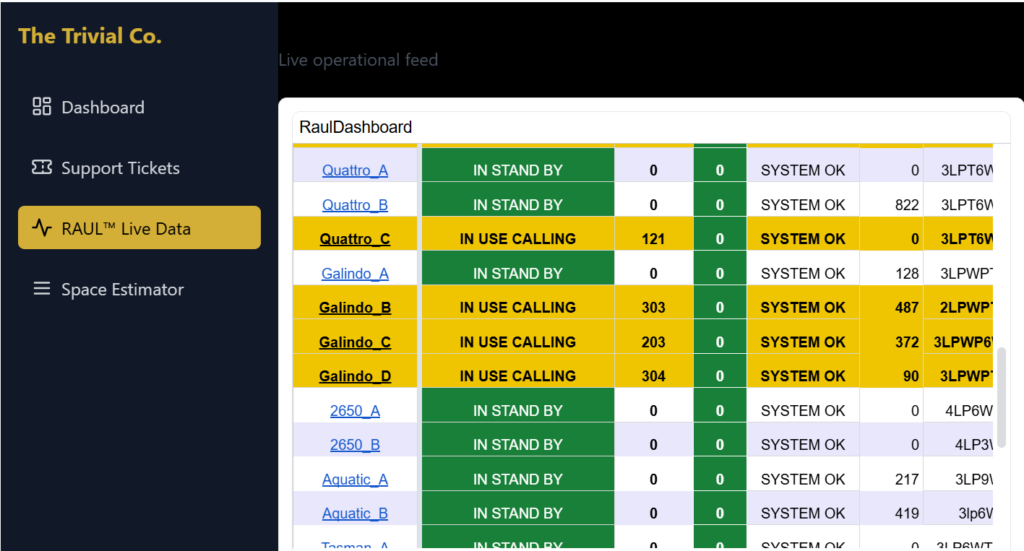
Remote monitoring changes this approach. With live system data and visual access, technicians can assess the situation immediately. Many issues can be resolved remotely by confirming safe conditions, closing unattended gates, clearing minor faults, or stabilizing power-related errors.
Systems like RAUL (Remote Access Unit for Lifts) were designed specifically to support this kind of real-time diagnosis and intervention, allowing trained operators to see what is happening before deciding whether an on-site visit is truly needed.
Continuous visibility leads to better operations
Remote monitoring is not just about faster response. It enables better long-term decision-making. When system behavior is continuously visible, patterns emerge:
- Repeated minor faults that signal adjustment or retraining is needed
- Power instability that can be stabilized before causing failures
- Usage patterns that increase wear or operational risk
Instead of reacting only after a breakdown, issues can be addressed earlier and more predictably.
Reliability matters in dense parking environments
As parking density increases, the margin for error shrinks. Automated parking systems require tools that provide ongoing visibility and control, not just emergency response.
Downtime is rarely about complexity alone. More often, it is about not knowing what is happening when something small goes wrong.