
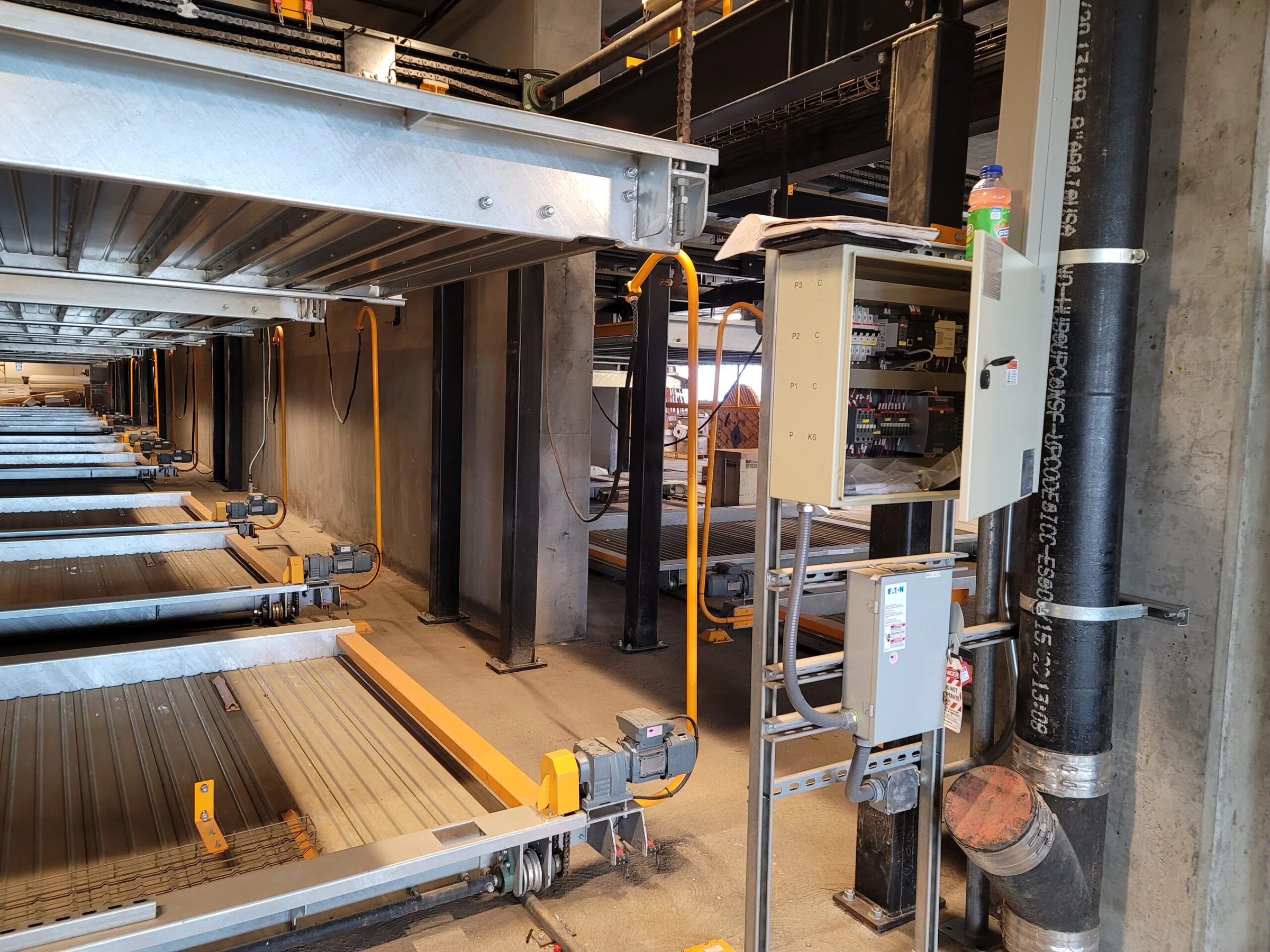
Bay Area parking stackers rely on more than platforms, motors, and controls. They also depend on small sensing points that tell the stacker system when a vehicle is positioned correctly, whether a gate is clear, and when a movement cycle can continue safely. When those sensing points get coated with dust, oil film, moisture residue, or ordinary garage grime, properties can start seeing delays that look like equipment trouble even when the larger system is mechanically sound.
Thank you for reading this post, don't forget to subscribe!That is why sensor cleaning deserves a regular place in the operating plan for parking stackers bay area properties use every day. In garages with parking puzzles, car stackers, and other stacker parking layouts, dirty sensing surfaces can create false stops, nuisance alerts, or extra resets that waste staff time and complicate service decisions. A simple cleaning plan helps properties protect uptime, reduce confusion, and improve the quality of parking business intelligence gathered from the site.
Small sensor issues can create outsized operating friction
Many properties first notice sensor problems as an inconsistency rather than a dramatic breakdown. One resident reports that the cycle paused. Another says a platform needed a second attempt. A staff member sees an intermittent warning, but the next user completes the move without trouble. When those events are logged as generic failures, the site may assume the parking puzzle or car stacker has a larger reliability problem than it actually does.
For Bay Area parking stackers, that kind of confusion matters because it can trigger unnecessary dispatches and muddle the service record. A garage that treats every interruption as the same problem loses visibility into what is really happening. Tying sensor cleaning into broader services planning helps properties separate contamination-related delays from true mechanical faults and keeps the operating picture more accurate.
Cleaning plans should match real garage conditions
Not every garage soils equipment the same way. Some sites deal with dust and tire residue. Others see damp air, cleaning overspray, or dirt tracked in from the street. A parking stackers bay area property near an active loading zone may accumulate grime faster than a tightly controlled residential garage. That is why the best cleaning plan is not a generic calendar reminder. It is a site-based routine built around actual conditions, traffic patterns, and staff access.
The plan should identify which sensing points need visual checks, who is allowed to perform light cleaning, what materials are appropriate, and when the issue should be escalated to trained technicians instead. This is where the original installation service context can still help. Layout, ventilation, drainage, and user circulation all affect how quickly surfaces get dirty and how easy they are to inspect safely.
Preventive service gets better when sensor housekeeping is consistent
Properties often talk about preventive service in terms of lubrication, inspections, adjustments, and replacement planning. Those items matter, but preventive work is easier to prioritize when the site has already reduced avoidable nuisance conditions. If dirty sensors keep generating false service calls, technicians spend time sorting out environmental noise before they can focus on actual wear, alignment, or component health.
That is why sensor housekeeping belongs next to preventive service. When a garage documents when surfaces were cleaned, where contamination keeps returning, and which bays are most affected, the service conversation becomes more precise. That clarity can also lower puzzle parking maintenance cost over time because the property is less likely to burn labor on preventable repeats or to misclassify ordinary contamination as a deeper failure.
Resident guidance and staff reporting both matter
A cleaning plan works best when it is paired with clear operating habits. Residents should know how to position vehicles correctly and how to report a pause without guessing at the cause. Staff should know which details to capture before opening a ticket: the bay involved, the message shown, whether there was visible debris, and whether the interruption cleared after a normal check. Guidance like how to park in a parking stacker helps reduce user-created confusion so the site can focus on real issues.
For properties that use remote review tools such as the RAUL remote access unit for lifts, better notes are especially useful. Remote access is more productive when the record already distinguishes between a possible sensing issue, a user-sequence mistake, and a genuine equipment concern. That makes the response faster and supports better parking business intelligence instead of another vague line item that says the stacker stopped.
Use the record to spot repeat conditions by bay and by time
One of the biggest advantages of a consistent cleaning plan is that it turns scattered complaints into a pattern the property can actually read. Over time, the site may notice that one bay near an exterior opening soils faster, or that a particular period after washdown creates more nuisance alerts. Parking puzzles and car stackers often reveal these patterns only when the notes are consistent enough to compare across weeks or months.
That pattern tracking matters for both operations and budgeting. If one area repeatedly gathers residue, the answer may involve cleaning frequency, airflow, housekeeping practice, or a small site correction rather than major equipment work. For bay area parking stackers, that kind of distinction helps managers decide where to spend effort first and keeps maintenance conversations grounded in what the garage is actually experiencing.
Clean sensors support steadier daily operation
Sensor cleaning is not glamorous, but it is one of the simplest ways to protect a stacker system from avoidable friction. A practical routine can reduce false service calls, improve reporting quality, and help parking stackers, parking puzzles, and car stackers operate with fewer unnecessary interruptions. It also gives ownership a cleaner record of what really needs service attention and what simply needed better housekeeping.
For properties that want stronger day-to-day performance from parking stackers bay area residents and staff depend on, the goal is straightforward: keep the sensing surfaces visible, keep reporting specific, and connect those observations to the right support path. If your garage needs help building a realistic cleaning and support plan, use our automated parking systems contact page or review our parking stackers service approach to plan the next step.