
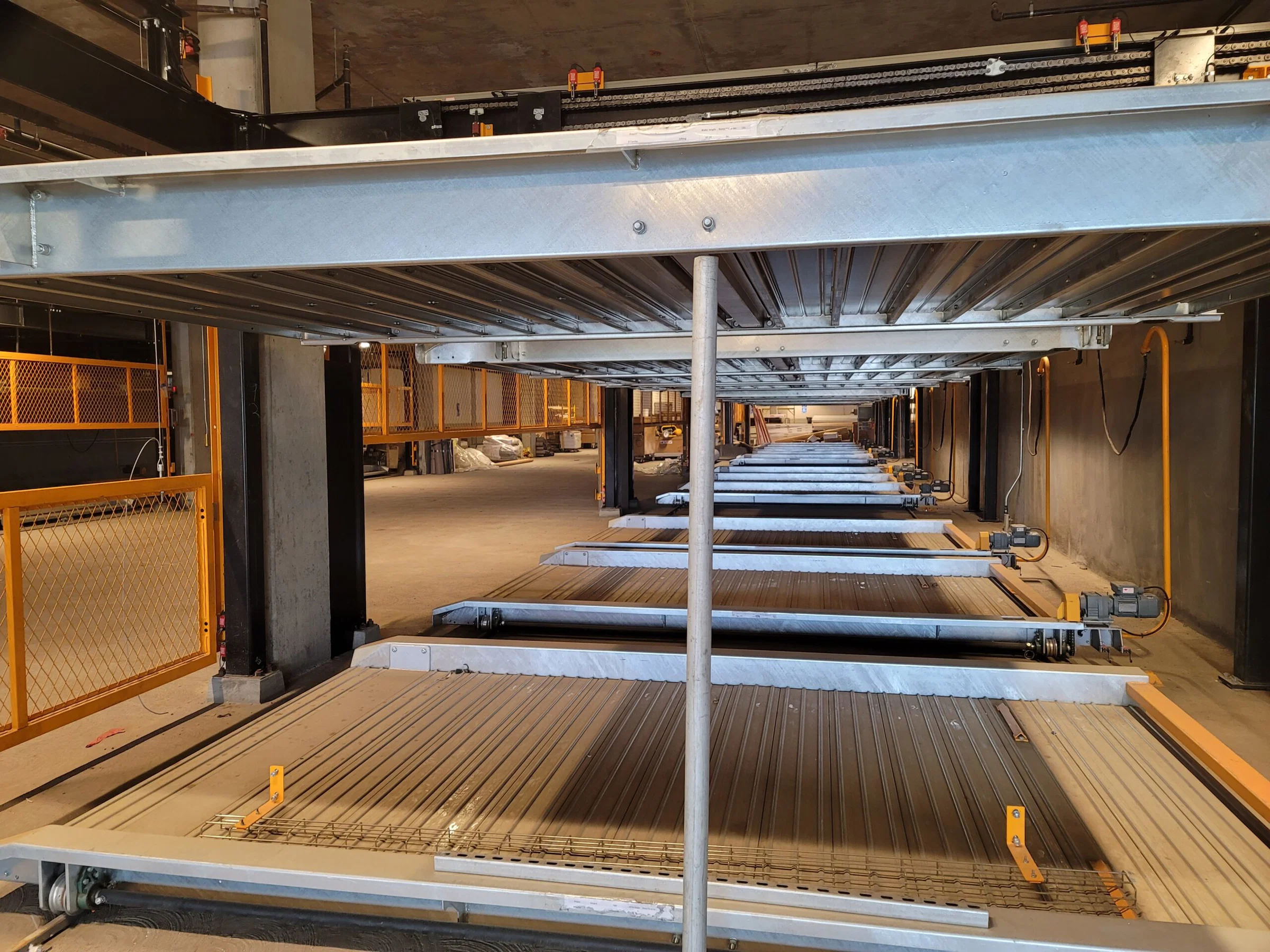
Water management is easy to overlook in a mechanical garage because the most visible parts of a stacker system are the platforms, controls, gates, and vehicle positions. But for Bay Area parking stackers, drainage conditions shape daily reliability more than many owners expect. Standing water, clogged trench drains, damp corners, or runoff that crosses a transfer area can create corrosion, slippery walking paths, dirty sensor surfaces, and repeated callbacks that seem unrelated until the pattern becomes obvious.
Thank you for reading this post, don't forget to subscribe!That is why drainage deserves a place in the routine operating conversation. A property that depends on parking stackers, car stackers, or parking puzzles should not wait for a visible failure before asking where water goes during rain, washdown, or normal garage cleaning. For parking stackers Bay Area properties use in dense residential settings, simple drainage checks help separate true equipment faults from environmental wear and help teams make more realistic decisions about service timing and puzzle parking maintenance cost.
Start with the places where water tends to collect
Most garages already reveal their trouble spots if the team knows where to look. Water may pool near a ramp transition, along a curb edge, under a low point in the slab, or beside a drain that catches debris faster than staff realize. In a stacker parking environment, even a shallow wet area can matter if it sits where residents walk, where a technician kneels during inspection, or where repeated moisture reaches steel components and control enclosures.
That first review does not need to be technical. The goal is to identify where drainage patterns intersect with the actual operating path of the equipment. A property can note whether water crosses the vehicle approach, whether puddles remain after cleaning, and whether debris from the broader garage ends up near stacker bays. Those observations become more useful when they are tracked alongside broader services planning instead of being treated as isolated housekeeping issues.
Connect water exposure to wear, dirt, and service calls
Moisture rarely announces itself as the single cause of a problem. More often, it contributes to a chain of smaller issues. Dirt sticks to damp surfaces. Residue collects in corners that should stay clear. Painted markings break down faster. Access panels need more cleanup before they can be opened safely. Over time, that adds labor to routine visits and makes the garage harder to inspect consistently.
This is one reason puzzle parking maintenance cost can creep upward without a dramatic mechanical event. If a property is repeatedly cleaning corrosion, replacing weather-damaged components, or troubleshooting conditions made worse by poor drainage, the cost story is broader than one failed part. Bay area parking stackers benefit when ownership can see the difference between core equipment wear and water-related environmental stress. That kind of clarity improves parking business intelligence because it gives the site a more accurate record of what is driving maintenance effort.
Review drainage during installation changes and site modifications
Drainage checks matter even more when a garage is being reworked. A resurfacing project, access-control update, new striping plan, or minor concrete repair can change how water moves around the room. That is why a site should revisit drainage assumptions whenever it changes traffic flow, floor pitch, or bay layout near the equipment. A detail that looked minor during construction can become important once the garage is operating every day.
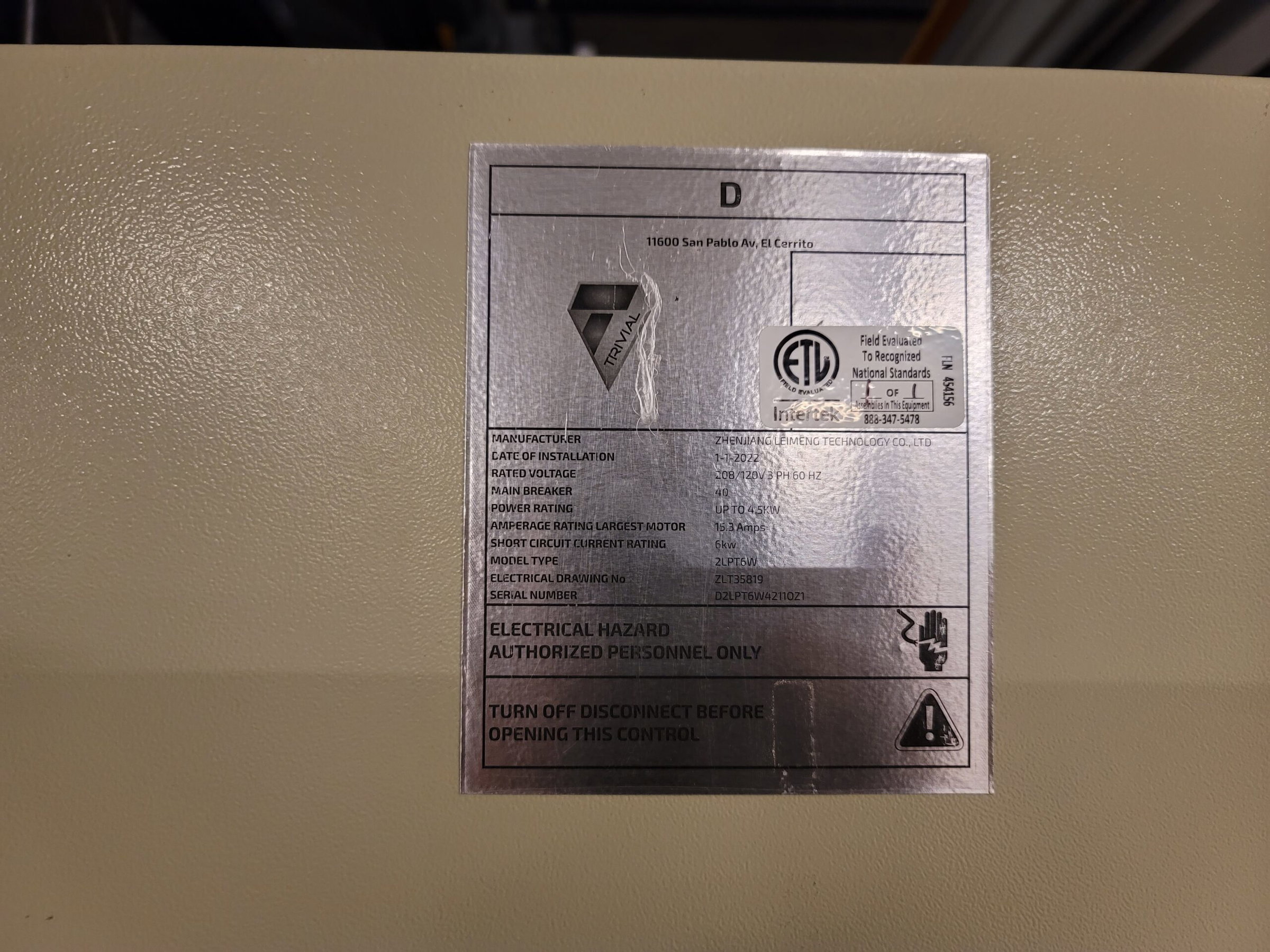
That review belongs next to the original installation service context, because layout choices and field conditions shape how easily a system can be inspected and maintained later. Properties with unusual ramps, tight transitions, or mixed-use circulation often need drainage details that fit the actual geometry of the garage rather than a generic checklist. For some projects, that also ties back to broader customized systems planning, where site-specific constraints need practical answers instead of standard assumptions.
Use preventive visits to confirm the garage still supports the equipment
A preventive visit should not focus only on the machine itself. It is also a chance to confirm that the surrounding garage still supports safe operation. If drains are blocked, if runoff is moving into a bay, or if moisture is reaching the same area after every washdown, the site has learned something important. The machine may still run, but the operating environment is working against long-term reliability.
That is why drainage should be part of the same conversation as preventive service. A short note about wet conditions, debris buildup, or repeat moisture near control components can guide the next service step and reduce guesswork later. If the property also uses a remote review path such as the RAUL remote access unit for lifts, clearer environmental notes help technicians understand whether the next response should focus on controls, cleaning, inspection, or site coordination before anyone assumes the stacker system itself is at fault.
Turn drainage notes into a practical operating standard
The best drainage program is usually simple. Staff need to know which drains serve the stacker area, what signs of pooling should be reported, when residue or leaves should be removed, and who should be contacted if runoff keeps returning to the same spot. Those notes should be short, repeatable, and tied to the actual garage map so they remain useful during staffing changes.
For parking puzzles and car stackers, the value is not only cleaner floors. The value is a clearer operating record. When the site logs water-related observations consistently, ownership can tell whether repeated concerns are coming from weather exposure, cleaning practices, building drainage, or true equipment deterioration. That makes maintenance planning more grounded and helps avoid blaming every interruption on the machine.
Protect uptime by treating drainage as part of system care
Bay Area parking stackers live inside real buildings with rain exposure, washdown routines, dust, and everyday traffic. A garage does not need severe flooding to create avoidable wear. It only needs moisture to return to the same unaddressed places over and over. By checking drains, watching where water travels, and recording those findings during service planning, a property can protect stacker parking performance with relatively modest effort.
That approach keeps the conversation practical. Instead of waiting for corrosion, slipping hazards, or repeat cleanup to grow into larger service work, the property can respond earlier and with better context. If your site needs help connecting drainage observations to maintenance planning for parking stackers bay area teams operate every day, contact our team to review the garage layout, service priorities, and support approach.