
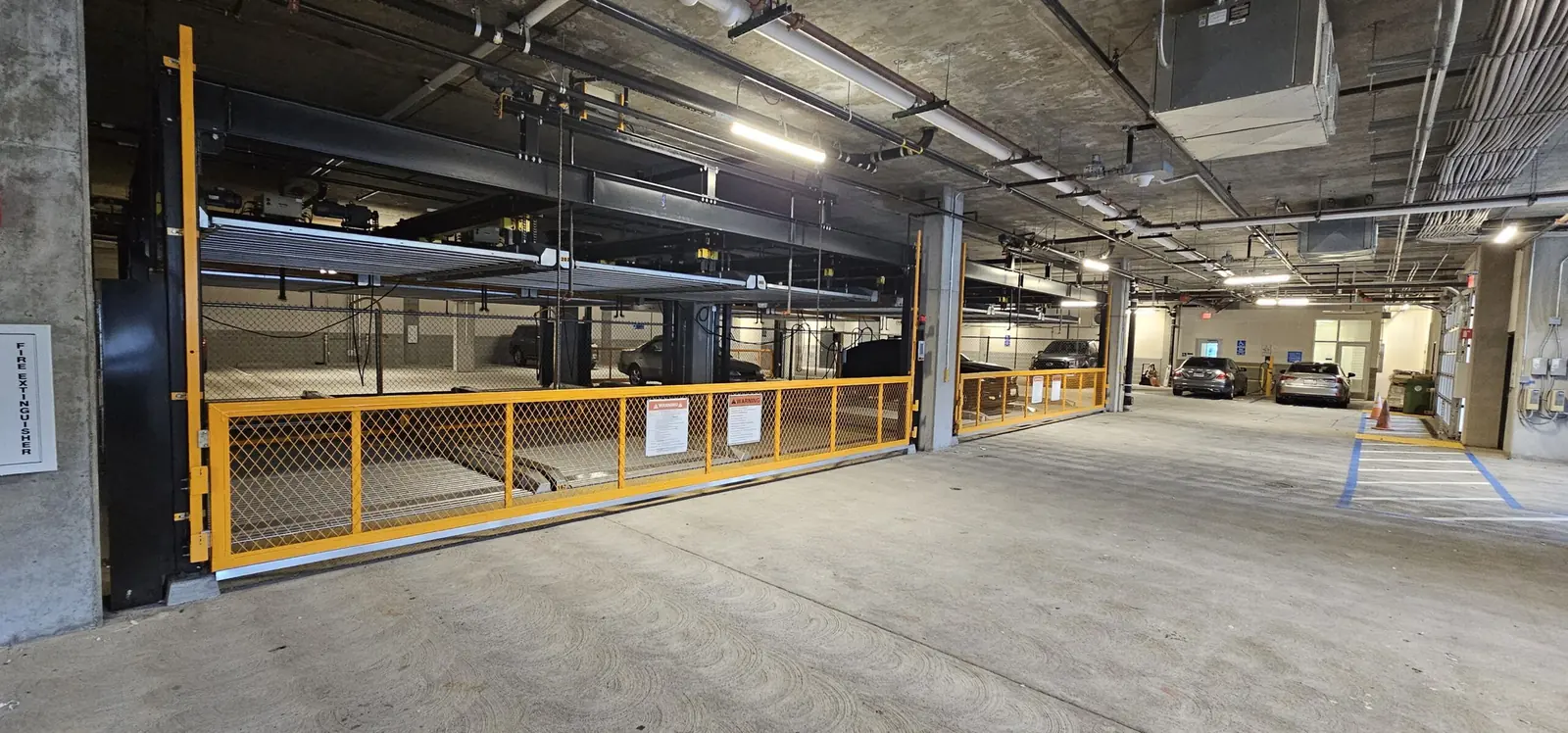
Parking stackers often get discussed late in a project, after the garage layout feels settled and other trades are already moving forward. That timing creates avoidable problems. Mechanical parking is not a decorative add-on. It affects circulation, structural coordination, electrical planning, access control, safety clearances, and the daily operating logic of the garage. When those conversations happen too late, teams end up spending time on revisions that could have been avoided with earlier coordination.
For multifamily developers, architects, and general contractors, the practical value of early coordination is simple: it reduces rework. A project that addresses equipment layout, access needs, and operating assumptions early is easier to install and easier to commission. That is especially true when the garage depends on parking stacker system layouts to make the parking count work.
Rework usually starts with incomplete assumptions
Garage planning can look complete on paper while still leaving important questions unresolved. A stall count may work geometrically, but the site may not yet reflect equipment envelope, usable clearances, gate swing, approach path, service access, or how residents will actually move through the space. When those details are discovered after concrete, framing, or rough electrical work is already advancing, the cost of adjustment rises fast.
That is why parking coordination should begin before the team feels forced into it. If the equipment is central to the parking strategy, then the garage needs a coordinated operating plan early enough to shape the surrounding design. Waiting until installation prep to answer basic layout questions usually leads to redlines, rushed trade decisions, and a more fragile path to turnover.
Design coordination is about operations, not just dimensions
Teams sometimes treat parking coordination as a dimensioning exercise. In reality, it is also an operations exercise. The project needs to account for how vehicles enter and exit, where users queue, how staff access the space, what power and controls are needed, and what safe service access looks like once the system is live. Mechanical parking performs best when the design team treats these operating questions as part of the garage design, not as field surprises.
That is where early review pays off. A coordinated team can identify whether a layout needs adjustment before construction momentum makes small changes expensive. It can also align the right stakeholders around circulation, access, and support expectations. Projects that build in custom parking system coordination usually reach installation with fewer open questions and a cleaner decision trail.
Trade coordination improves installation speed
Parking stacker installations depend on more than the equipment supplier. The field condition has to support the installation sequence. Structural tolerances, slab readiness, power routing, drainage assumptions, gate placement, and adjacent work all affect how smoothly the system can be installed. If those elements are coordinated early, the installation team can work through a clearer plan and spend less time resolving preventable conflicts on site.
That does not mean every project becomes simple. It means the hard work happens at the right time. Instead of solving layout conflicts during active installation, the project addresses them while the design still has room to move. That shift protects schedule reliability and helps installation service support stay focused on execution rather than redesign.
Commissioning gets easier when expectations are set early
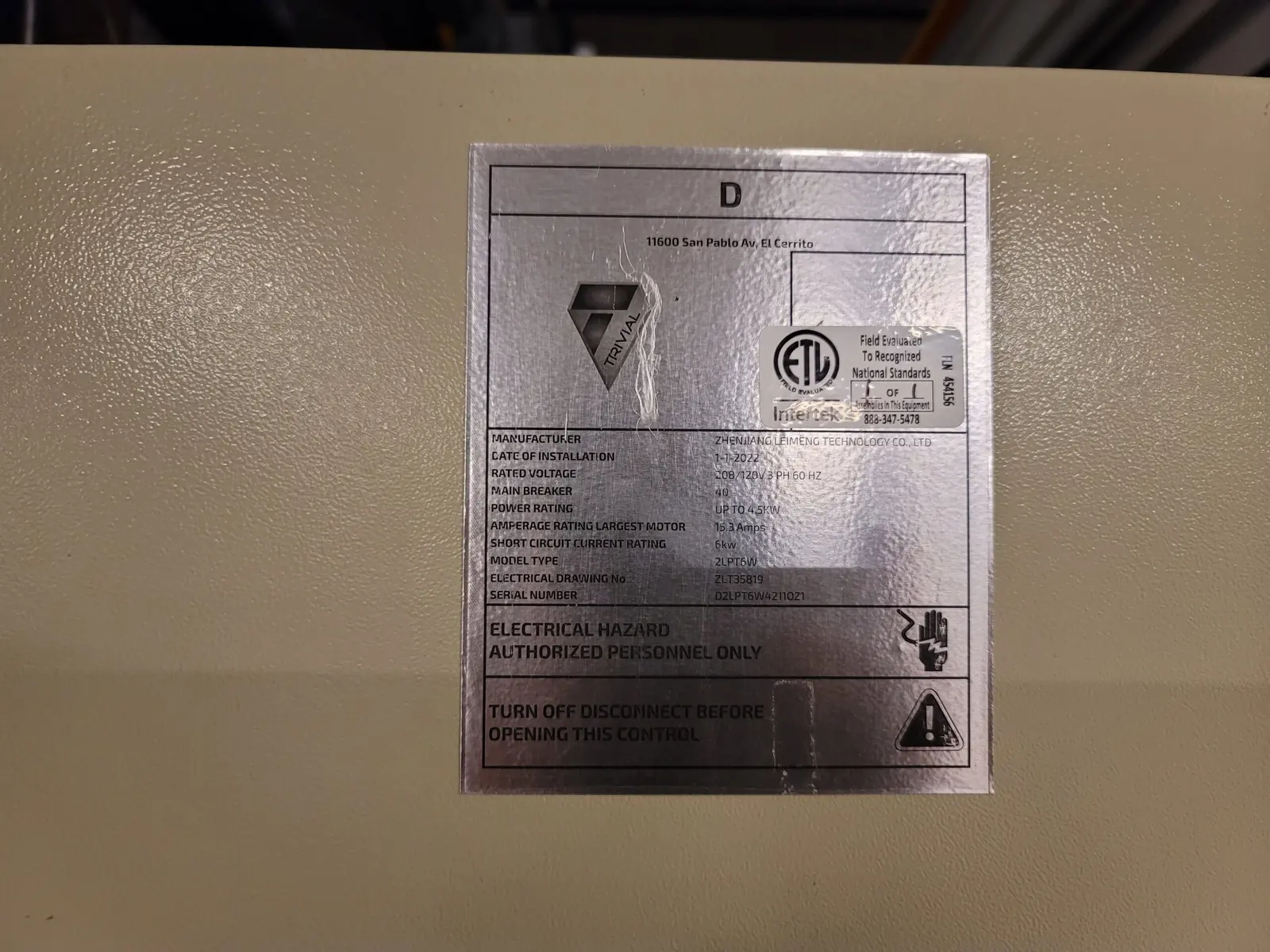
Commissioning is smoother when the team has already agreed on how the garage is supposed to operate. By that point, the project should not still be debating basic access logic, user flow, or whether supporting conditions were properly coordinated. If those questions stay open too long, commissioning becomes a catch-up process instead of a readiness step.
Early coordination helps define those expectations before the garage goes live. It gives property teams a clearer understanding of how the system fits the building, what the opening sequence should support, and which issues belong to training versus technical correction. That clarity matters because multifamily projects rely on parking to support move-in, resident confidence, and ongoing building rhythm from the first weeks of operation.
Better coordination protects the long-term operating plan
Rework is not just a construction cost. It also affects long-term operations. A garage that opens with compromised circulation, unclear support paths, or unresolved layout friction will continue paying for those decisions later through resident confusion, service noise, and management overhead. Early coordination helps prevent the project from baking those problems into the finished building.
For ownership teams, that is the bigger reason to care. Mechanical parking should support density and land efficiency without creating avoidable operational strain. When design, installation, and commissioning are coordinated early, the building gets a more stable parking environment and a cleaner handoff into daily use.
Coordinate before the garage hardens around bad assumptions
The best time to solve parking stacker conflicts is before they become field conditions. Multifamily teams that coordinate earlier usually spend less time revising, less time explaining issues across trades, and less time recovering during startup. That discipline creates a smoother path from layout to installation to commissioning.
If your project is still shaping the garage or working through equipment assumptions, now is the time to review the plan. A focused coordination pass can reduce rework later and give the site a more reliable path to opening. If you want help reviewing layout questions, installation readiness, or project-specific parking strategy, contact our team to talk through the job.