
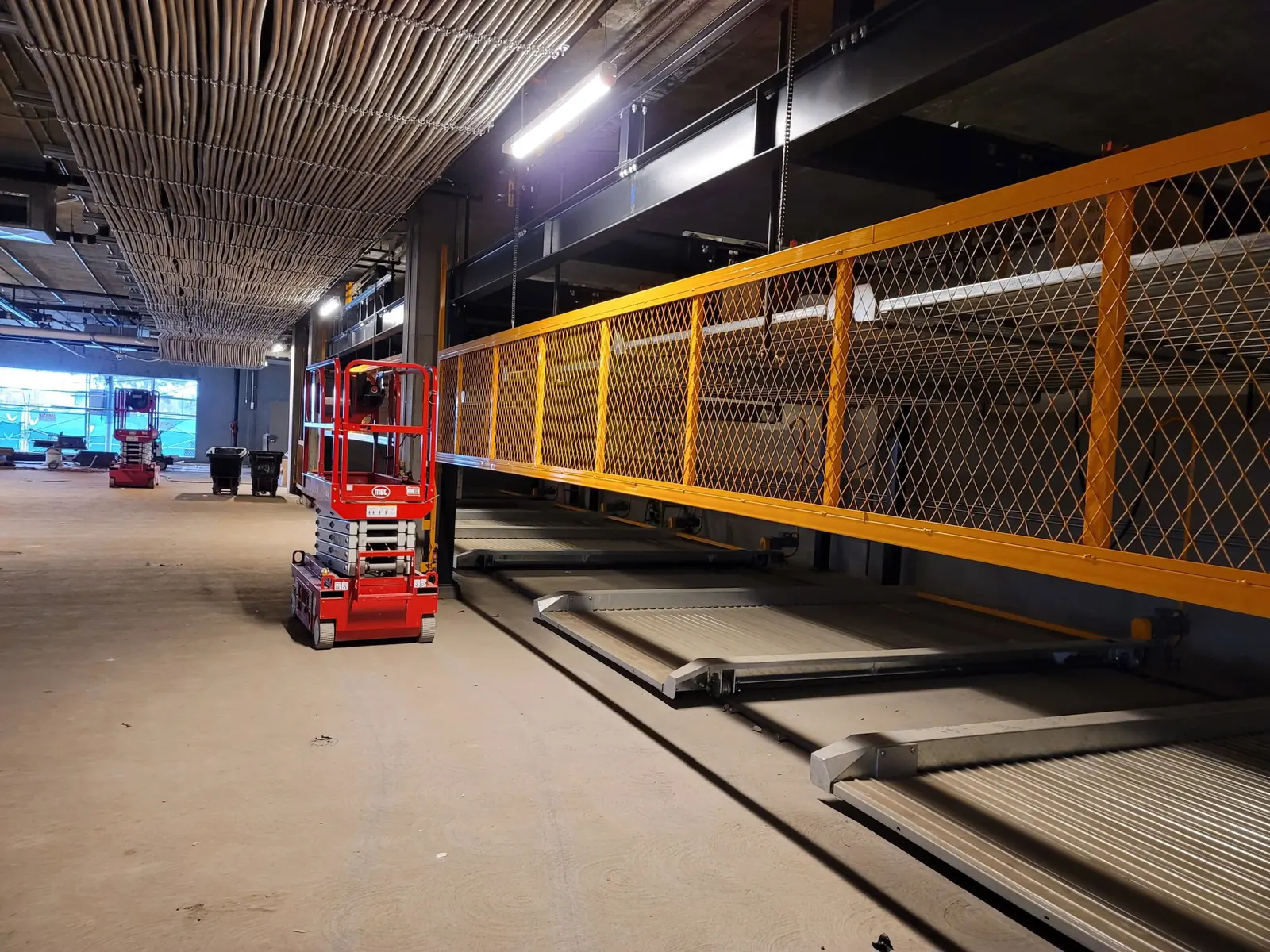
Parking stacker signage is easy to treat as a finishing detail, but in multifamily garages it directly affects how residents use the system every day. Good signs reduce hesitation, reinforce safe operating habits, and help staff respond consistently when questions come up. Weak or outdated signs do the opposite. They leave too much room for guesswork, especially during peak return hours when drivers want quick answers and the garage has very little space for mistakes.
That is why ownership teams should review stacker signage as an operating tool, not just a compliance item. A garage may already have dependable equipment and a strong service support plan, yet still struggle if labels, instructions, and directional cues no longer match the way residents actually interact with the system. When signage falls behind field reality, confusion grows faster than most teams expect.
Resident questions usually show up before formal complaints
One of the clearest signs that signage needs updating is a pattern of repeated basic questions. If residents regularly ask where to stop, how long to wait, which bay to use, or what to do after a cycle completes, the posted guidance is probably not doing enough work. Staff may still be handling those questions well, but repeated verbal coaching is a signal that the physical instructions are not carrying their share of the load.
This matters because verbal explanations are inconsistent by nature. Leasing staff, managers, valets, and maintenance teams may all describe the process a little differently. In a garage built around parking stacker operations, that inconsistency can create uncertainty for new residents and occasional users. Updated signage gives the property one clear operating language that everyone can point to.
Layout changes can make old instructions misleading
Another common trigger is a garage change that seems minor on paper. A new convex mirror, a relocated bollard, revised striping, a different waiting position, or a change to pedestrian routing can all affect how a driver approaches the equipment. If the signs still reflect an earlier sequence, residents may follow instructions that are technically outdated even though the machine itself has not changed.
That is one reason signage review should be tied to field turnover and post-installation adjustments. During an installation and startup process, teams often refine circulation details once real vehicles begin moving through the space. When those refinements happen, the instructions visible to residents should be checked at the same time. The goal is simple: the garage should describe the process drivers are actually expected to follow today, not the process shown on an earlier plan set.
Incidents and near-misses should prompt a signage audit
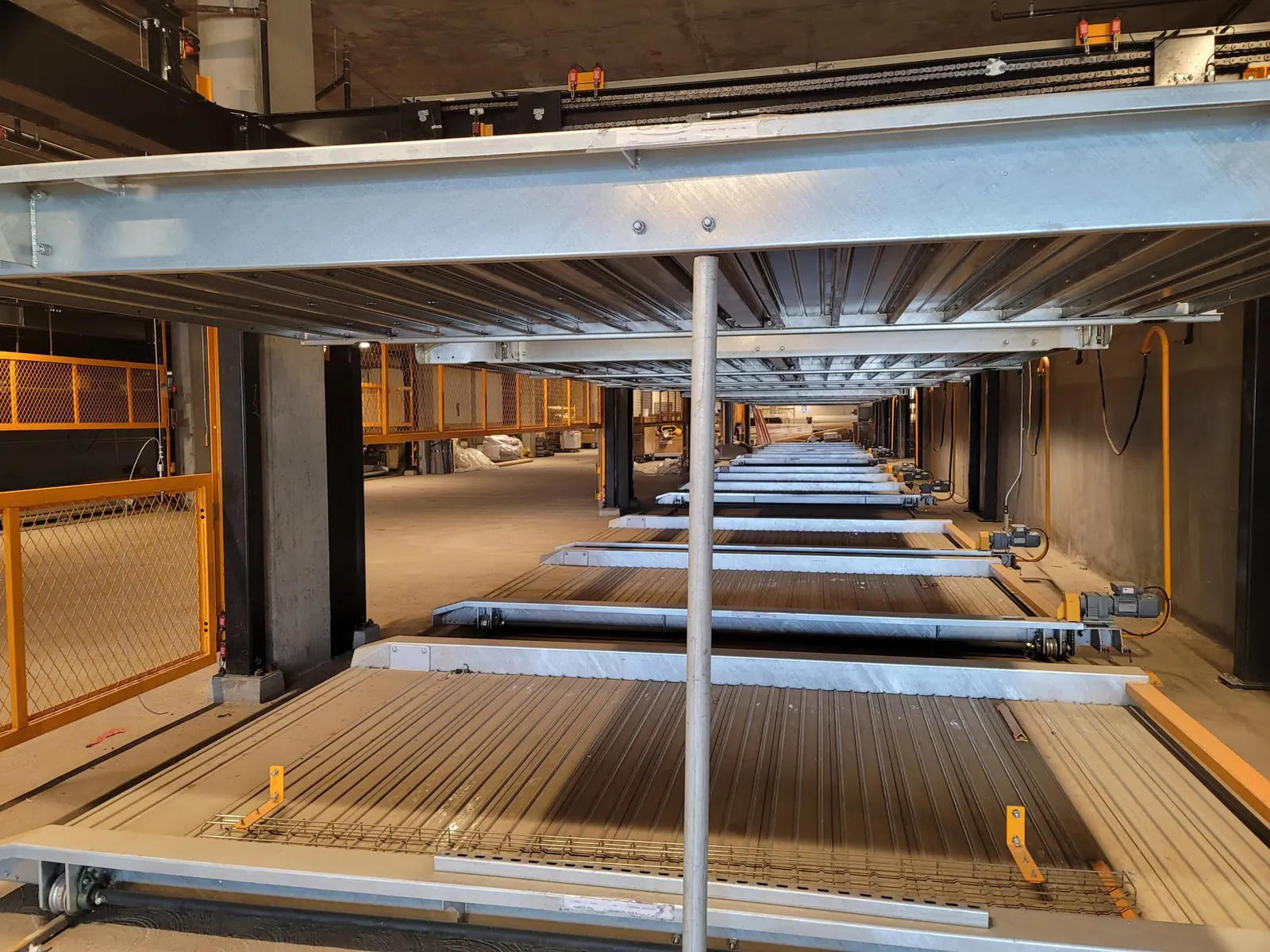
Not every operating problem is caused by unclear signs, but many small incidents are made worse by them. Vehicles stopping in the wrong place, residents walking through the operating zone, gates being approached too early, or users backing up unexpectedly can all indicate that the visual guidance is incomplete. Even when the event does not become a formal accident, it is worth asking whether the information in the garage helped prevent the confusion or quietly contributed to it.
Signage audits are especially useful after a near-miss because they force the team to look at the garage from the user’s perspective. Are the instructions visible from the driver seat? Do the labels appear in the order the user needs them? Is the waiting position obvious before the resident reaches the control area? Those questions often reveal issues that a technical equipment review would miss.
Service history can reveal communication gaps
Support logs also provide useful clues. If service calls repeatedly trace back to misuse, sequence errors, blocked zones, or preventable resets, the garage may need clearer resident-facing instructions. A property can still benefit from a disciplined preventive service approach, but service alone cannot solve recurring confusion when the operating guidance in the field is weak.
In practice, the best review compares recent incidents, staff reports, and resident questions against the signs currently posted. If the same misunderstanding appears more than once, it is worth revising the message, the placement, or both. Sometimes the fix is a larger instruction panel. Sometimes it is a directional sign placed earlier in the approach path. The important point is to treat communication failures as operational design issues, not just user mistakes.
Lease-up, turnover, and policy changes are ideal review moments
Properties often wait too long because the system seems familiar to current staff. But turnover changes that quickly. A new manager, a fresh leasing team, or an influx of residents during lease-up can expose weak signage that long-time staff have learned to work around. Policy changes can do the same thing. If the property changes access rules, assigns different user groups to different bays, or updates after-hours procedures, the garage should visibly reflect those decisions.
That review does not need to be complicated. Teams can walk the garage, follow the resident journey from entry to exit, and note every point where a new user might hesitate. If the instructions do not answer the question at the moment it arises, the sign package probably needs work.
Clear signs support cleaner operations and better resident confidence
Updated signage will not fix every garage problem, but it can remove a surprising amount of avoidable friction. Clear labels, visible waiting cues, and direct operating instructions help residents move with more confidence and help site teams respond with less improvisation. Over time, that supports a calmer garage, more consistent daily use, and a better foundation for long-term system reliability.
If your property is seeing repeated user questions, circulation confusion, or mismatches between posted instructions and actual operations, it may be time for a signage review. The Trivial Company can help teams evaluate system use, field conditions, and resident communication so the garage works more clearly for everyone. Use the contact page to start the conversation.