
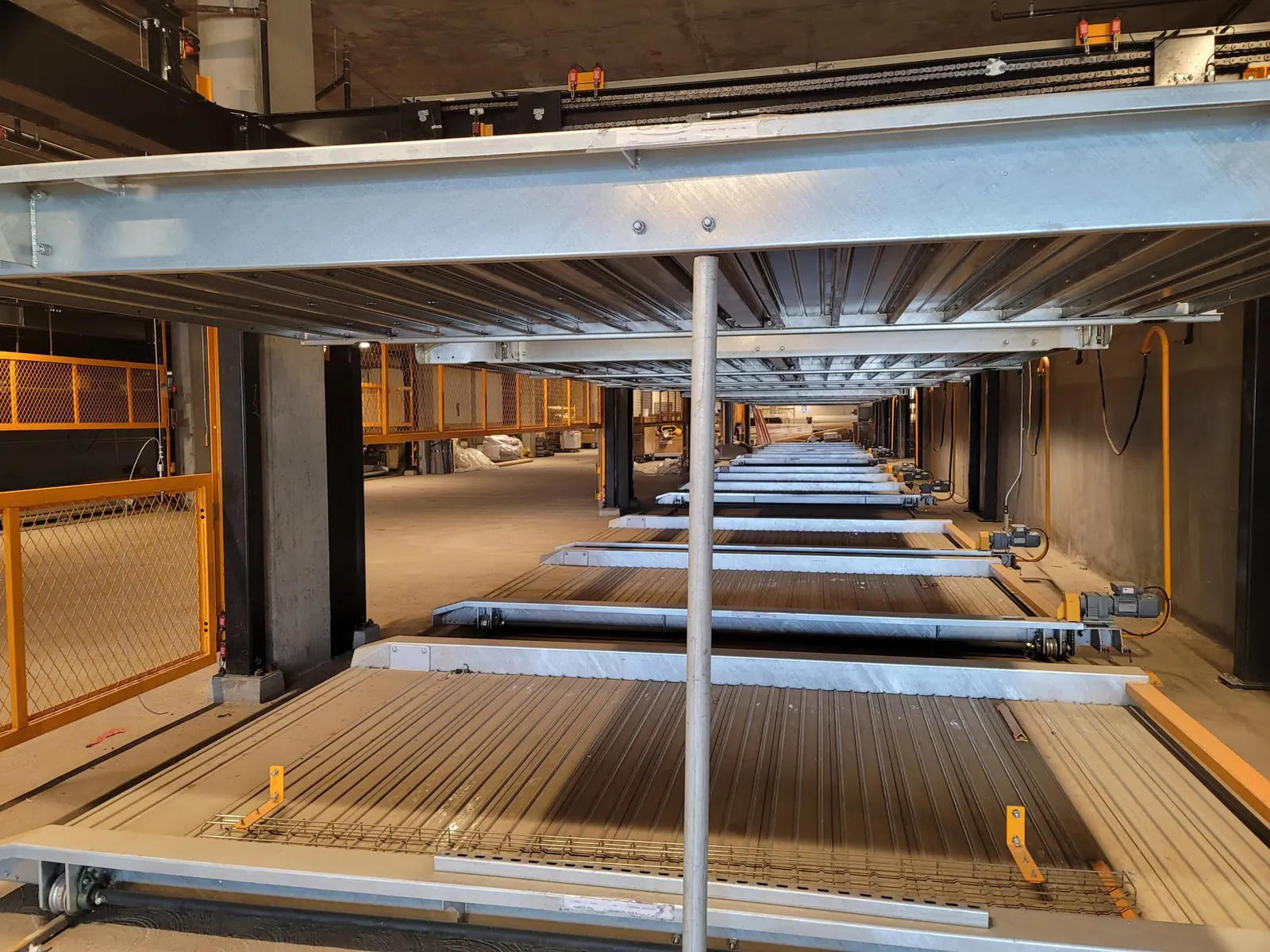
Many Bay Area parking stackers struggle with the same avoidable problem: the system is designed for one set of vehicle assumptions, but daily use slowly drifts away from those assumptions. Residents change cars, delivery vehicles show up unexpectedly, and assigned spaces start serving vehicle types that were never part of the original operating plan. A simple vehicle profile review helps multifamily teams spot those mismatches before they turn into recurring delays, resident complaints, or unnecessary service calls.
For parking stackers Bay Area properties rely on every day, this review is not just about dimensions on paper. It is about confirming whether the stacker system is being used by the vehicle mix it can handle reliably. That makes the review useful for managers who want better uptime, clearer resident rules, and stronger parking business intelligence around daily garage operations.
Start with the vehicles that actually use the system
Most teams know the number of stalls in a garage, but fewer keep a current picture of the vehicles assigned to those stalls. That gap matters in both parking puzzles and traditional car stackers. A vehicle profile review should document basic operating realities: vehicle class, length, width, height, wheelbase, ground clearance concerns, roof attachments, and whether certain residents routinely swap vehicles. Once the site sees the real mix, it becomes easier to recognize patterns that create friction.
In practice, many stacker parking issues are not sudden equipment failures. They are repeated fit, alignment, and clearance problems involving vehicles that sit near the operating edge of the system. If residents are guessing whether a larger SUV, pickup, or roof-mounted accessory still fits, the property should tighten guidance and refresh training on how to park in a parking stacker. Clear rules reduce improvisation, which is especially important in parking puzzles where one mistake can affect multiple cars.
Use the review to improve stall assignment decisions
Bay Area parking stackers often serve dense multifamily properties where every stall is valuable. That pressure can tempt a site to treat every parking space as interchangeable. In reality, some spaces are better suited for compact vehicles, some are more forgiving for daily turnover, and some should stay paired with residents who understand the operating routine well. A current vehicle profile review helps management assign the right vehicle to the right stall instead of reacting after the fact.
This is also where the parking stackers page on The Trivial Company site can support property teams that need a clearer operating baseline. When stall assignments match actual vehicle profiles, the garage usually sees fewer retries, fewer awkward approach angles, and less unnecessary strain on the system. That does not eliminate every issue, but it does make the garage more predictable.

Connect vehicle-fit data to preventive service planning
Vehicle profile reviews also help teams think more clearly about puzzle parking maintenance cost. If a garage experiences repeated calls tied to approach angle, platform positioning, or user hesitation with larger vehicles, ownership needs to understand whether the cost is coming from equipment wear, operating behavior, or a mismatch between resident vehicles and the intended use of the system. Without that distinction, maintenance conversations become vague and reactive.
That is why Bay Area parking stackers benefit from tying the review to a documented preventive service plan. When technicians and property teams share a better picture of vehicle usage, service observations become more useful. A recurring event can be evaluated in context instead of being treated as an isolated complaint. Over time, that improves planning for car stackers, parking puzzles, and other stacker system layouts that depend on disciplined daily use.
Review changes after move-ins, renewals, and management turnover
A vehicle profile review is not something to do once and forget. The best trigger points are practical ones: move-ins, lease renewals, building policy changes, and management transitions. These are the moments when Bay Area parking stackers are most likely to drift away from their original operating assumptions. If a site has not updated its vehicle list in months, it may already be carrying risk that does not show up until a busy evening return window.
Properties should also watch for changes that seem small but matter in daily operations, such as new tire sizes, roof boxes, bike racks, or replacement vehicles that are longer than the original assignment assumed. Those details can affect approach behavior, loading comfort, and whether the system remains easy for residents to use correctly. If the review shows that a site is operating beyond its practical comfort range, it may be time for stronger operating rules, resident retraining, or installation-service coordination for broader adjustments.
Turn the review into a usable operating checklist
The most effective review is short enough to repeat. A property does not need a complex database to gain value. It needs a checklist that captures assigned vehicles, any vehicles near fit limits, recurring user concerns, restricted stalls, and the escalation path when a vehicle no longer belongs in a specific space. That creates better parking business intelligence and supports urban parking efficiency because the site is working from current conditions instead of old assumptions.
For Bay Area parking stackers, a disciplined vehicle profile review can prevent a surprising amount of friction. It helps align residents, site teams, and service partners around the real operating envelope of the garage. The result is a more stable stacker system, clearer decisions around parking puzzles and car stackers, and fewer avoidable problems caused by vehicles that never fit the operating plan in the first place.