
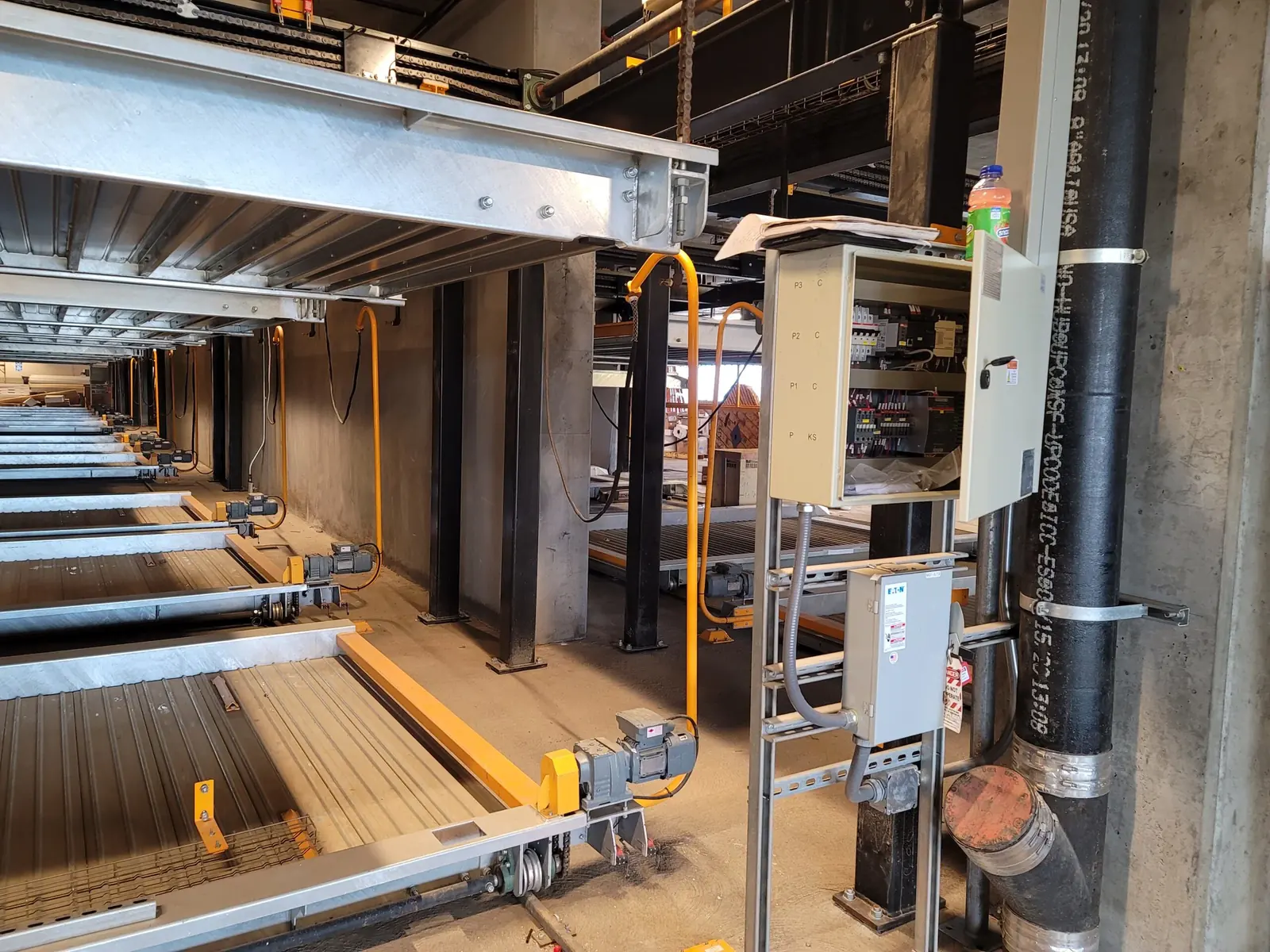
Bay Area parking stackers depend on more than motors, controls, and steel. They also depend on the quality of the information that passes from one person to the next. In many properties, avoidable confusion starts when a garage issue, resident complaint, or operating exception is mentioned casually at the end of a shift and never gets recorded clearly. That gap can leave the next person guessing about whether a parking puzzle was already checked, whether a resident was given temporary instructions, or whether a service vendor is still expected on site.
A practical shift handoff process gives the property team a reliable way to carry details forward. It helps stacker system operators, front-desk staff, managers, and service coordinators keep the same picture of garage status instead of reconstructing events later. For sites that rely on parking stackers, car stackers, or parking puzzles in dense Bay Area buildings, a strong handoff process often prevents small operating friction from turning into repeated delays.
Define the few details that always need to be passed forward
Most garages do not need a long narrative at every shift change. They need a short list of details that are always captured when something unusual happens. That list may include which stacker system was affected, which stall or platform was involved, whether a vehicle is still waiting for retrieval, whether a resident received temporary instructions, and whether the issue appears operational or mechanical. When those details are consistent, the next shift can act faster and with fewer assumptions.
This matters because Bay Area garages often operate with limited room for recovery. A missed note about a blocked approach lane, a pending technician visit, or a resident with a special access question can disrupt more than one move. Clear handoffs help the team protect flow during normal use while also building better parking business intelligence about where the recurring friction actually lives.
Use the same language residents and staff already recognize
Shift handoffs work better when the notes use familiar terms instead of improvised shorthand. If one person writes that a stall is offline, another says the bay is paused, and a third says the platform is stuck, the team can lose time just interpreting the message. A standard vocabulary keeps everyone aligned on what happened and what should happen next. That includes the resident-facing instructions as well as the internal notes.
Properties that already direct users to a stable reference such as how to park in a parking stacker have an advantage here. The handoff can reference the same operating sequence residents were given, note where the process broke down, and tell the next shift whether the issue was corrected or still active. That reduces contradictory explanations at the garage entrance and helps staff speak with one voice.
Separate service notes from operating notes
Not every handoff item belongs in the same bucket. Some issues belong with the property team because they involve queue management, visitor coordination, or resident communication. Others belong with the service path because a parking puzzle fault, sensor inconsistency, or repeated reset condition needs technical review. Strong handoffs separate those categories so the next shift does not waste time chasing the wrong action.
That separation also helps the property maintain a more useful service record. When operations notes and maintenance notes are blended together, it becomes harder to tell whether the garage needs better communication, different staffing coverage, or hands-on repair work. Clean categories improve parking business intelligence and make it easier to decide when a recurring issue should move from observation to escalation.
Include open loops, not just closed events
A weak handoff often records what already happened but ignores what is still unresolved. The better approach is to identify any open loop that the next shift must actively watch. That might include a resident who was told to return later, a technician who is expected to call before arrival, a temporarily reassigned parking space, or a queue condition that tends to reappear during the evening rush. Open loops are the details most likely to be forgotten if they are not written down clearly.
For parking stackers Bay Area properties depend on every day, those open loops matter because garage demand does not pause while staff change over. A note that says issue observed is far less useful than one that says issue observed, temporary instructions given, and recheck needed before the next peak use window. That level of clarity helps the next person continue the work instead of restarting the diagnosis.
Review handoffs during preventive service conversations
Shift handoffs should not live in isolation from the maintenance program. During regular preventive service reviews, the property can look at recent handoff notes to see whether the same operating pain points keep appearing. If multiple shifts are reporting confusion around one platform, one resident group, or one approach condition, that pattern may point to a deeper operating or equipment concern that deserves formal follow-up.
This is where handoffs stop being a simple administrative habit and start becoming a practical source of business intelligence. They show whether the site is dealing with repeated communication gaps, recurring queue pressure, or true performance issues inside the stacker system. That makes service discussions more grounded and helps the property team ask better questions when planning repairs, training, or operating changes.
Keep the process simple enough to use on busy days
The best shift handoff process is the one people will actually complete when the garage is active. That usually means a short template, a clear place to store the notes, and a simple expectation for who owns the update. A complicated log that requires too many steps will be skipped on the days when it is needed most. A compact process is more realistic and usually more valuable.
For Bay Area parking stackers, good handoffs reduce missed details, support smoother stacker parking decisions, and give the next shift a cleaner starting point. They help parking puzzles stay manageable even when staffing changes, service calls, and resident questions overlap. If your building needs a clearer operating process for garage communication, contact our team to review site routines, service coordination, and daily stacker system support.