
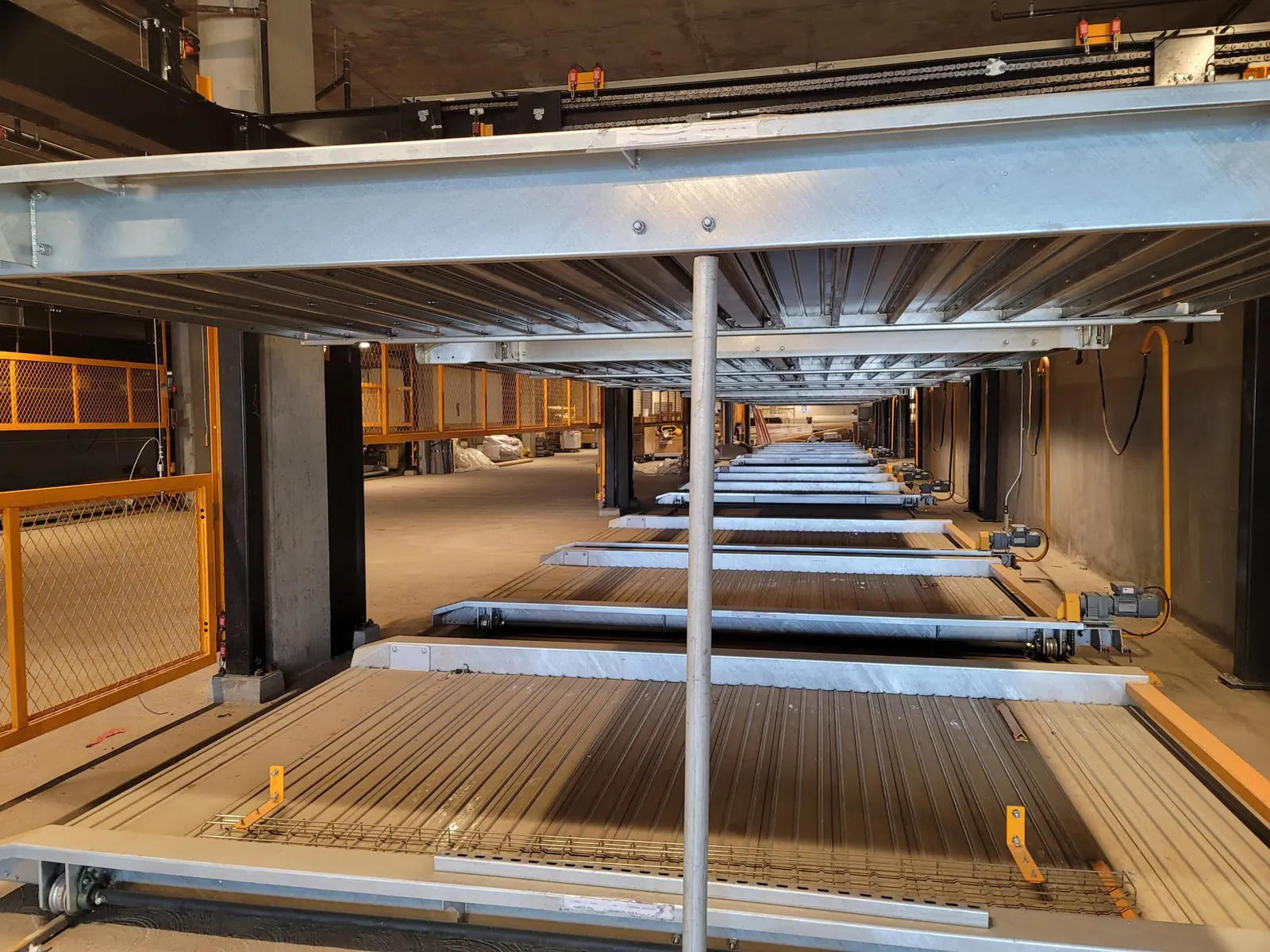
Bay Area parking stackers operate best when everyone knows what happens next after a problem is reported. A resident may describe a slow platform, a concierge may notice a gate condition, or a manager may see repeat alerts on a parking puzzle during a busy window. The first report matters, but the next step matters just as much. If the issue does not move quickly to the right person, a small operating concern can sit too long, bounce between teams, or reach a technician without the facts needed to respond efficiently.
A practical service escalation path gives a property a simple answer to that problem. It defines who receives the first report, which details must be captured, when the property team should keep managing the issue internally, and when the stacker system should move into a formal service response. For buildings that depend on parking stackers, car stackers, and stacker parking layouts to support limited footprints, an escalation path helps keep operations clear while building more useful parking business intelligence over time.
Start with a short triage checklist
The first step in a strong escalation path is a short triage checklist that any trained staff member can use. That checklist should identify the affected platform or bay, whether a vehicle is currently staged, whether the issue involves normal user operation or an apparent equipment fault, and whether any temporary instructions were given to the resident. The goal is not to turn front-line staff into technicians. The goal is to make the first report consistent enough that the next decision is easier.
This is especially important for parking stackers Bay Area properties rely on during compressed arrival and departure windows. If the first note simply says stacker problem, the next team still has to start from zero. If it says a resident could not complete a normal retrieval sequence on platform three after following posted instructions, the property already has a more useful starting point. Better triage helps service coordination move faster and helps later reporting show which issues are operational, mechanical, or training-related.
Define when an issue stays with operations and when it moves to service
Not every report should trigger the same response. Some events can be handled by the property team because they involve queue management, temporary parking guidance, or resident coaching. Others need prompt technical review because a parking puzzle, lift control, or sensor condition may be preventing safe normal use. A good escalation path sets that boundary early so staff do not overreact to normal friction or underreact to repeated equipment symptoms.
That boundary should connect cleanly to the building’s service support plan. If a site sees the same reset condition twice in one week, or if a platform fault repeats across multiple shifts, the escalation path should say that the issue moves from observation into a documented service request. Clear thresholds reduce guesswork and keep the property from losing time in long email chains or fragmented phone updates.
Use the same references residents already see
Escalation works better when staff and residents are working from the same operating references. If a resident says the system is not working, the first question is often whether the normal sequence was completed or whether an unusual garage condition interrupted it. Properties that direct users to a stable guide such as how to park in a parking stacker can ground the first conversation in shared steps instead of memory or improvised explanations.
That consistency also improves stacker system reporting. Notes can identify where the resident sequence stopped, whether the same issue happened for another user, and whether the event appears tied to vehicle fit, access timing, or equipment behavior. Over time, those better notes become a cleaner source of parking business intelligence. They help teams see whether recurring calls come from training gaps, layout friction, or true maintenance needs, including discussions about puzzle parking maintenance cost when repeat issues start consuming staff time.
Build escalation timing around real garage demand
A useful service escalation path accounts for when the garage is under the most pressure. In many multifamily and mixed-use properties, the same issue has a different impact at 2 p.m. than it does at 6 p.m. The path should reflect that reality by defining who gets notified during peak use periods, what temporary operating steps are acceptable, and when management should intervene to support resident communication or access control.
This timing layer keeps stacker parking decisions practical. A property may decide that one type of event gets logged and reviewed during the next preventive service visit, while another type of event triggers same-day escalation because it affects retrieval flow during an active rush. Those distinctions help parking puzzles stay manageable and help the service team arrive with better context about urgency, user impact, and likely scope.
Close the loop after every service event
An escalation path is incomplete if it only covers how to raise an issue. It should also cover how the property closes the loop once service has responded. That includes recording what was found, what temporary instructions should remain in place, whether additional training is needed, and whether the same symptom should be monitored for recurrence. Without that closeout step, teams can repeat the same confusion the next time a similar issue appears.
Closeout notes are where operational learning turns into better site performance. They help properties compare repeated calls across different car stackers, identify patterns that may affect installation planning on future phases, and create cleaner records for residents and managers. If your property wants a more reliable path for issue routing, resident communication, and service coordination, contact our team to review escalation structure, reporting habits, and daily support for Bay Area parking stackers.