
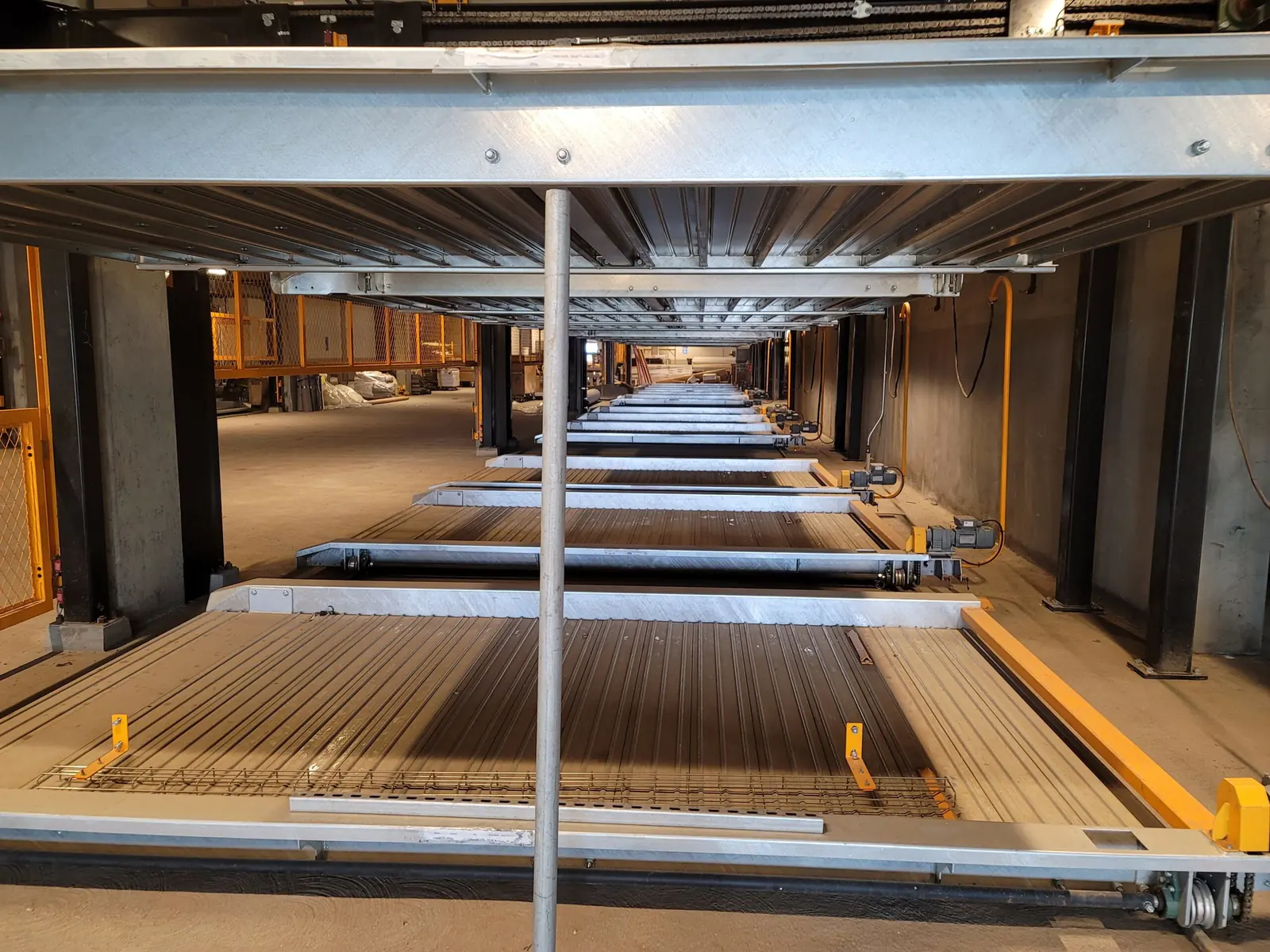
Bay Area parking stackers perform best when property teams treat safety checks as part of routine operations instead of waiting for a complaint, a stalled vehicle movement, or a service call. A periodic walkthrough gives multifamily teams a structured way to review parking puzzles, car stackers, and circulation conditions before small issues become expensive disruptions. It is also one of the simplest ways to keep stacker parking expectations aligned across managers, engineers, and residents.
That matters because many parking stackers problems begin outside the equipment itself. A blocked aisle, poor housekeeping, missing signage, or an inconsistent operating habit can produce the same frustration as a technical fault. When a site reviews the garage with a repeatable checklist, the team gathers practical parking business intelligence that helps separate maintenance needs from daily-use issues and supports better decisions about puzzle parking maintenance cost.
Use the walkthrough to review garage conditions, not just the equipment
A useful periodic walkthrough starts with the overall garage environment. Teams should look at travel lanes, lighting, housekeeping, access points, and any conditions that could interfere with safe use of the stacker system. If a delivery area is bleeding into a maneuvering zone or stored items are creeping into clearances, those conditions need attention even if the parking equipment itself is operating normally.
This broader review pairs well with the site’s ongoing services planning because it keeps operational issues from being misclassified as equipment failures. It also reinforces the assumptions built into the original installation service, especially in dense garages where turning movements and queueing space are limited.
Check how residents and staff are actually using parking puzzles
Periodic reviews should include a look at real-world use patterns. Bay Area parking stackers often serve buildings where vehicles, staff, and resident turnover change throughout the year. A walkthrough can show whether drivers are entering stalls correctly, whether oversized vehicles are introducing recurring conflicts, and whether operating instructions are still easy to follow for new users.
That is where parking puzzles and car stackers benefit from simple field observation. If the same platform keeps generating questions, the cause may be training, visibility, or sequence confusion rather than a defect. Linking the review to resident guidance like how to park in a parking stacker gives site staff a practical way to correct habits before they create avoidable downtime.
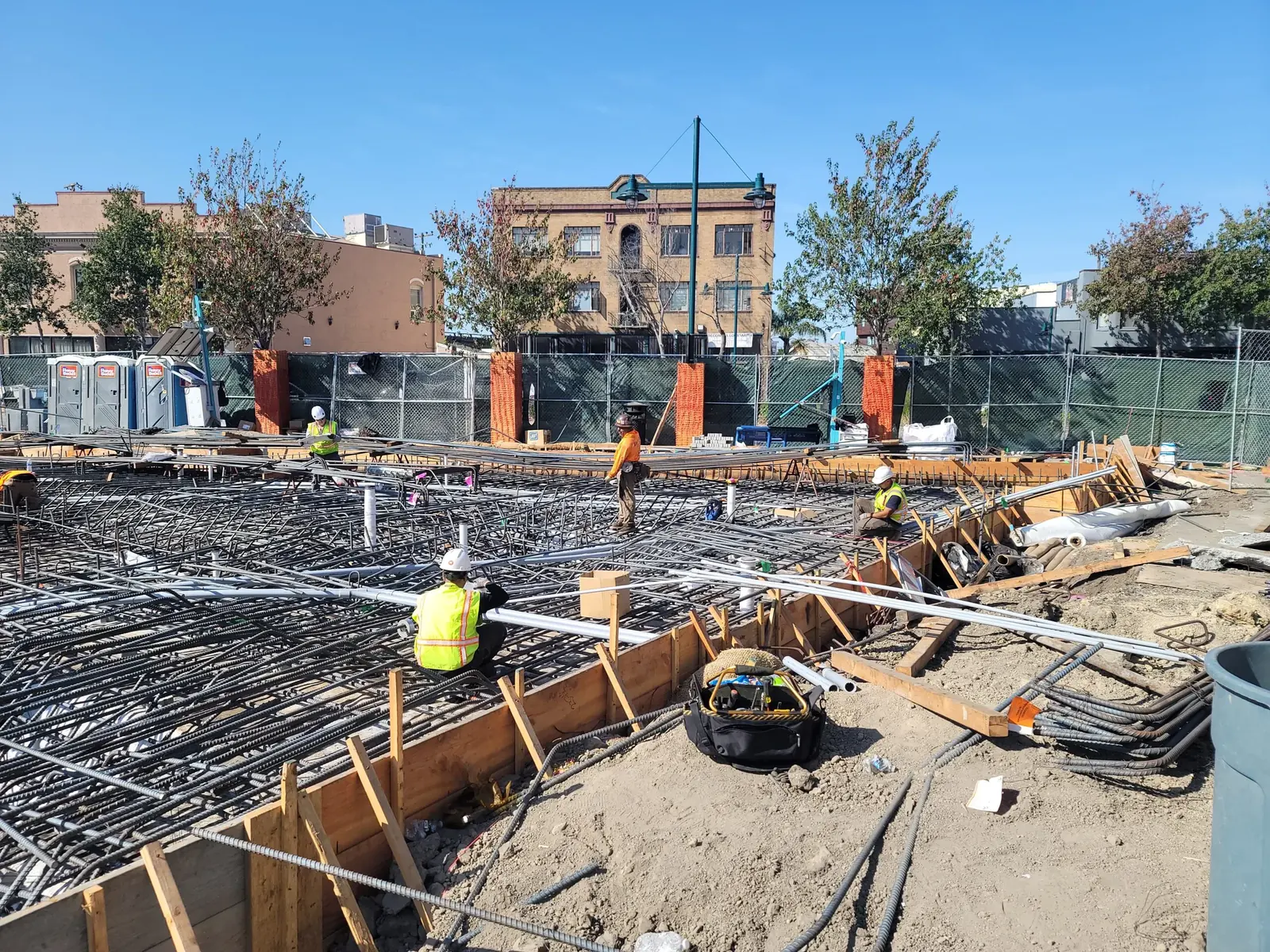
Capture trends that inform preventive service decisions
A periodic walkthrough is also valuable because it creates continuity between site observations and formal maintenance. When notes are recorded consistently, teams can spot patterns in noise, travel speed, user errors, or recurring clearance concerns. That record supports smarter scheduling for preventive service and gives technicians better context before they arrive on site.
For owners tracking puzzle parking maintenance cost, trend notes are more useful than vague recollections. They help answer whether an issue appeared suddenly, whether it is isolated to one part of the garage, and whether the same concern was seen during prior walkthroughs. In practice, that can reduce duplicated troubleshooting and help Bay Area parking stackers stay available with fewer reactive decisions.
Confirm signage, controls, and escalation paths still make sense
As properties stabilize after lease-up or staff changes, the garage often drifts away from the original operating setup. Periodic reviews should confirm that signage is still visible, controls remain in good condition, and the people responsible for the garage know where to escalate questions. A stacker system can be mechanically sound and still generate confusion if the site no longer supports the way it is meant to be used.
That is also a good time to verify that property teams know when to reach out through the site’s automated parking systems contact channel and when an issue can be resolved internally. Clear escalation limits save time for managers and help service teams receive better initial information.
Turn observations into a repeatable operating habit
The strongest walkthrough programs are short, consistent, and easy to repeat. They do not depend on one person remembering every detail. Instead, the property uses a recurring checklist, stores the notes in one place, and reviews open items before the next periodic pass. That gives Bay Area parking stackers a steadier operational rhythm and helps parking business intelligence build over time rather than disappearing in email threads.
That process also helps during staffing transitions. When a new manager or engineer inherits the garage, the walkthrough record shows what has already been observed, what actions are still open, and which items should be watched closely during the next visit. For parking stackers Bay Area properties rely on every day, that continuity reduces avoidable relearning and supports more consistent service coordination.
For multifamily sites using parking stackers and parking puzzles, the goal is not to create paperwork for its own sake. The goal is to catch preventable issues early, keep operator expectations consistent, and support better maintenance coordination. Periodic safety walkthroughs do that well because they connect daily operations, service planning, and resident experience in one practical routine.