
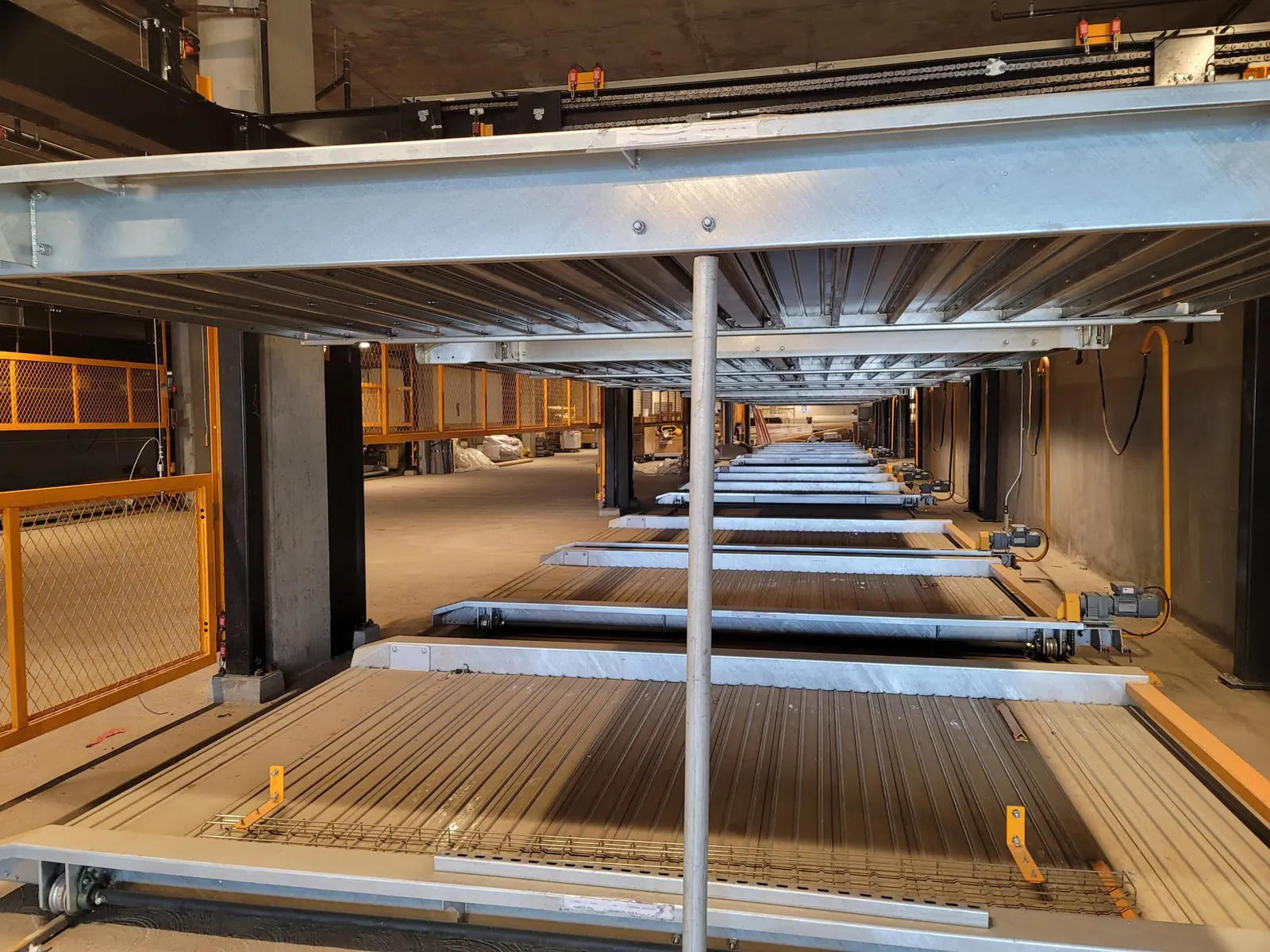
Bay Area parking stackers often perform best when the equipment and the operating plan are aligned. In many multifamily buildings, the toughest moments are not unusual emergencies. They are the predictable rush periods when several residents want access within the same short window. Morning departures, evening arrivals, contractor visits, and delivery overlap can all put pressure on a stacker system even when the machinery is working exactly as intended.
A practical peak-hour plan gives the property team a repeatable way to manage those busy periods. It helps residents understand the sequence, reduces hesitation at the entry lane, and keeps stacker parking decisions from turning into improvised traffic control. For buildings that rely on parking stackers or parking puzzles in tight Bay Area garages, that clarity can make daily use feel more orderly without changing the physical footprint of the site.
Start with the busiest use windows, not the average day
Properties sometimes explain their garage rules based on a calm midday scenario, but the real test comes when multiple users arrive close together. A peak-hour plan should start by identifying the periods with the highest concentration of moves, the likely direction of traffic, and any site constraints that slow people down. That could include a narrow drive aisle, limited sight lines, shared trash access, or a loading zone that overlaps with the stacker approach path.
Once those conditions are documented, the building can define a smoother operating sequence. That sequence may include where drivers wait, who yields first, how attendants or staff should step in, and when a resident should pause instead of crowding the lane. Clear direction matters because car stackers and puzzle parking layouts depend on predictable positioning. The less guesswork there is, the easier it is to protect both flow and equipment.
Give residents a simple sequence they can remember
Peak-hour planning works best when the operating instructions stay short and practical. Residents do not need a technical lecture. They need a few repeatable steps that explain how to enter, where to stop, how to confirm clearance, and when to wait for another move to finish. A stacker system that feels confusing under pressure usually needs better sequencing, not more complicated language.
Many properties support that sequence with a durable reference such as how to park in a parking stacker. A stable reference page helps new residents, guests, and site staff point back to the same guidance instead of inventing new explanations during a busy moment. That consistency is especially useful when staffing changes or when different shifts are covering the garage.
Separate operating delays from maintenance signals
Not every backup at a parking puzzle is a maintenance problem. During rush periods, small delays often come from avoidable operating friction such as poor vehicle alignment, unclear waiting positions, or drivers entering the lane before the prior move is complete. A good peak-hour plan helps the site team recognize those issues quickly so they are handled as operating corrections rather than misclassified service calls.
That distinction supports better parking business intelligence as well. When teams track whether delays came from sequencing, communication, or a true equipment issue, they build a clearer record of what the garage actually needs. Better issue categorization helps managers decide whether to improve signage, retrain staff, adjust resident communication, or escalate to a service technician. It also keeps the property’s service strategy grounded in useful observations instead of scattered anecdotes.
Build staffing and communication around the queue
Even a self-park stacker system benefits from a defined communication plan during busy periods. Residents should know who to contact if a lane is blocked, what information to provide, and how long they should wait before requesting help. Site staff should know when to direct traffic, when to hold additional vehicles outside the approach area, and how to keep pedestrian movement separate from active vehicle paths.
That kind of structure becomes more important in Bay Area properties where space is limited and one stalled interaction can affect several households at once. A short queue protocol can reduce conflict and improve safety without making the experience feel over-managed. It also connects well to broader preventive service efforts because consistent observations from peak periods make it easier to spot recurring wear patterns, clearance concerns, or repeated user confusion.
Review vehicle mix and visitor patterns before problems repeat
Peak-hour congestion is often shaped by who is using the garage, not just by the equipment. If a property has added larger vehicles, changed tenant mix, or started accommodating more short-term visitors, the original operating assumptions may no longer fit the real demand pattern. Reviewing vehicle size trends, recurring guest access questions, and delivery timing can reveal why a formerly manageable queue now feels unstable.
For parking stackers Bay Area buildings depend on, this review does not need to be complicated. The property can note which access windows create the longest waits, which stalls generate the most confusion, and whether specific vehicle types are slowing the sequence. That information supports better assignment decisions and a more realistic operating plan for stacker parking during busy intervals.
Update the plan after move-ins, policy changes, or service events
A peak-hour plan should not stay frozen after opening day. New residents, new house rules, and service visits can all change how the garage functions in practice. A brief review after move-in waves, policy updates, or significant service work helps confirm that the written instructions still match the current garage conditions. It also gives the team a chance to tighten lane guidance, refresh resident communication, and clarify support paths before small friction points become daily complaints.
For Bay Area parking stackers, strong peak-hour planning is an operations discipline, not just a courtesy note. It helps parking puzzles and car stackers absorb daily demand more predictably, gives property teams cleaner information about what is happening in the garage, and supports smoother resident use of the system. If your building needs help aligning garage operations with real traffic patterns, contact our team to review the site, service needs, and operating sequence.