
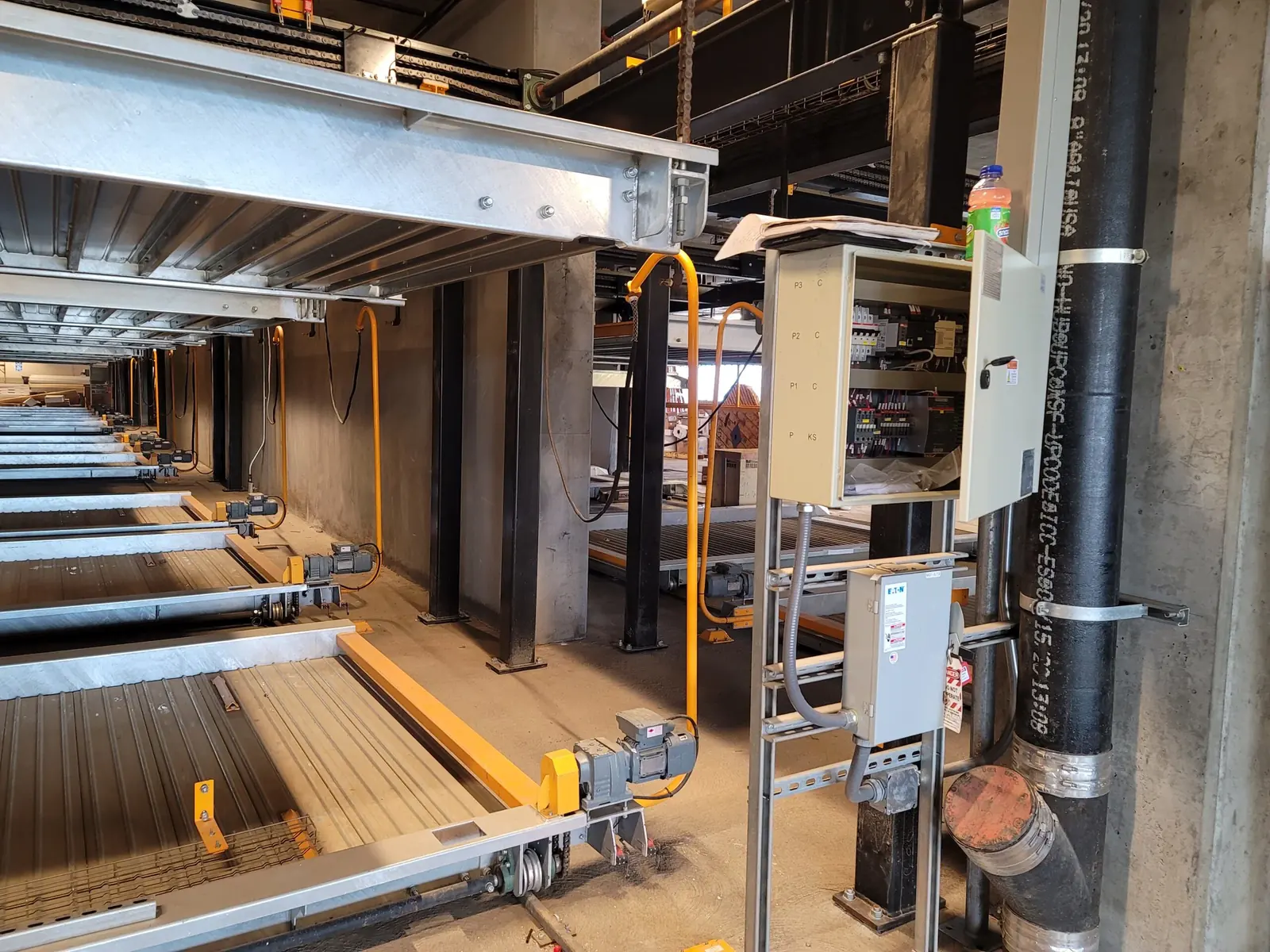
Automated parking systems do not stay reliable just because the equipment was installed correctly. In a multifamily garage, long-term performance depends on how the property observes daily use, records recurring issues, and responds before minor patterns become resident-facing problems. That is where a monthly garage operations review becomes useful.
A review does not need to be complicated. It is a structured check-in that helps the property team look at how the system is actually performing in the field. Instead of waiting for a disruptive event, staff can identify recurring friction points, confirm whether residents are using the system as intended, and decide what should be escalated for service attention. Projects that combine this habit with a broader parking system service strategy usually gain a clearer picture of what is normal, what is changing, and what deserves action.
Start with the operating issues that repeat
The first part of a monthly review should focus on repeated observations rather than isolated frustration. If residents regularly report delays at the same time of day, if a loading area gets blocked during certain windows, or if staff keep receiving the same usage question, those patterns matter. They show where operating friction is accumulating, even if no major breakdown has occurred.
Documenting repeat issues helps the team separate noise from trends. It also makes later service conversations much more useful. Instead of saying the system sometimes feels slow or confusing, the property can explain when the issue happens, how often it appears, and what conditions seem to be present. That level of detail supports better diagnosis and better decision-making.
Review staff handoff and response consistency
Many garage problems are amplified by inconsistent communication. One team member may tell residents to wait, another may manually route around the issue, and a third may escalate immediately. A monthly review is a good time to ask whether the staff response is aligned. Everyone supporting the garage should understand the same basic escalation path, the same communication language, and the same threshold for involving technical support.
That does not require turning property teams into mechanics. It means confirming that the operating side of the building is steady. When the response path is consistent, installation and startup support resources are easier to use well because the incoming reports are clearer and less reactive.
Check whether resident instructions still match real use
Resident guidance often starts strong and then drifts out of sync with actual garage conditions. Signs may be unclear, onboarding material may not answer the questions people are really asking, or the property may discover that users need a different level of detail than expected. A monthly review should include a quick look at whether posted instructions, move-in materials, and staff explanations still reflect how the system is being used.
This is also a useful time to verify whether the garage configuration and user expectations still align with the system type in place. For example, properties using different parking stacker configurations may need slightly different operating guidance depending on circulation, loading rhythm, and resident familiarity.
Look at access control, traffic flow, and timing windows
Automated parking performance is shaped by more than the machinery. Access rules, delivery activity, move activity, after-hours entry, and staffing coverage all influence how the garage feels to residents. A monthly review should ask whether the current traffic patterns create predictable bottlenecks and whether the property has simple adjustments available to reduce them.
Sometimes the solution is operational rather than technical. Small changes to timing windows, signage placement, or support coverage can reduce confusion without requiring mechanical intervention. When the team reviews these conditions regularly, the garage becomes easier to manage and less likely to generate avoidable urgency.
Confirm what needs preventive follow-up
A monthly operations review should not replace technical maintenance, but it should help the property identify where preventive attention may be needed. Repeated nuisance faults, unusual staff workarounds, or recurring resident complaints can all be signals that the site would benefit from closer inspection. The key is to catch those signals early and route them into an organized follow-up process.
That is where a connection to preventive service planning becomes valuable. Operational observations can strengthen maintenance decisions by showing which parts of the garage deserve closer attention before downtime becomes more disruptive.
Use the review to build a cleaner service record
One of the most practical benefits of a monthly review is better documentation. Over time, those notes create a more useful record of what the property has seen, what was reported, and what actions were taken. That history makes it easier to distinguish between a one-time issue, a training gap, and a recurring operational condition that needs stronger intervention.
It also improves accountability. Ownership teams, property managers, and service partners can work from the same operating record instead of relying on scattered anecdotes. In a multifamily environment where parking reliability affects resident confidence, that shared record supports calmer decisions and faster follow-through.
Build the review into the normal operating rhythm
The most effective monthly reviews are simple enough to repeat. They do not need a long formal meeting. They need a regular cadence, a short list of questions, and a clear path for turning observations into action. If your property uses automated parking, a recurring operations review can help you spot friction sooner, improve communication across the team, and keep service conversations grounded in real operating evidence. If you want help reviewing garage operations, maintenance priorities, or site-specific support planning, contact our team to talk through the property.