
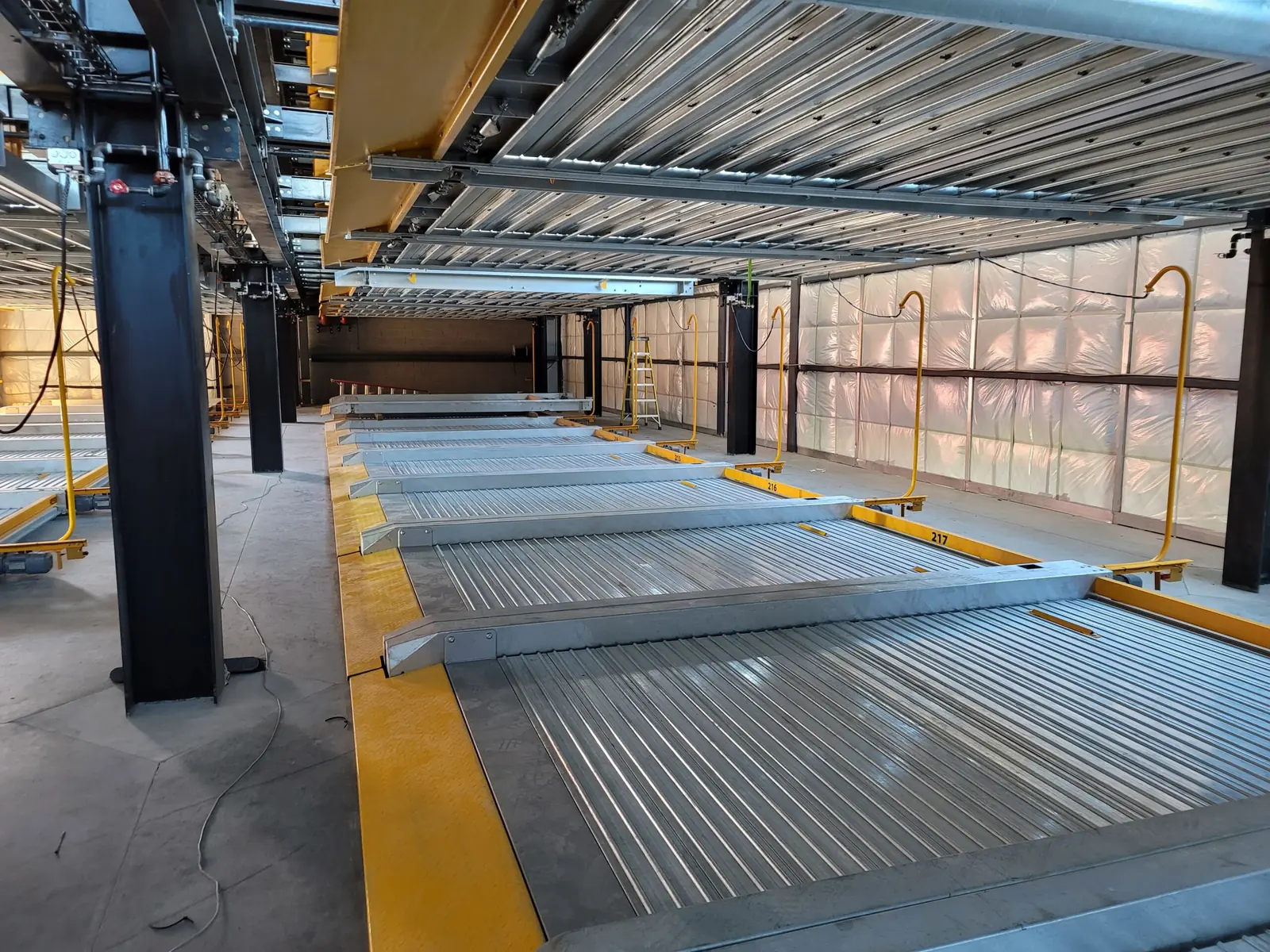
Garage cleaning sounds routine until it has to happen around an active parking stacker system. Then a simple washdown or housekeeping task can affect resident access, drainage, visibility, and equipment availability all at once. The goal is not to avoid cleaning. The goal is to plan it so the garage stays orderly and the system is not forced into improvised operation while water, tools, carts, or cleaning crews are moving through the same space.
That matters in multifamily properties because stacker garages depend on controlled circulation. Residents need clear instructions, staff need a stable service window, and vendors need to know where they can and cannot work. A cleaning plan tied to actual operational procedures protects the equipment and keeps the property from creating preventable access problems on a busy day.
Schedule cleaning around demand, not around convenience alone
The first coordination step is choosing the right time window. Crews often prefer the earliest available slot, but the property should compare that preference against resident departure patterns, delivery timing, and any recurring service visits. A cleaning event that begins during the garage’s heaviest turnover period can create queues, rushed vehicle movement, and pressure to restart full operation before the area is truly ready.
For properties using parking stackers, the better approach is a defined service window with reduced traffic and one accountable site contact. That window should include time for setup, cleaning, drying, and a final walk-through. Treating cleaning like a real operating event instead of a background task reduces confusion for both residents and vendors.
Define exactly which areas can be washed and which must stay protected
Not every part of the garage should be treated the same way. Drive aisles, staging zones, pedestrian paths, drainage channels, and equipment-adjacent areas each need different instructions. If a vendor does not know where overspray, hoses, or chemical runoff could interfere with controls or operating surfaces, the crew may clean efficiently while still creating avoidable risk.
Before the work starts, management should identify restricted areas, temporary no-parking zones, and acceptable cleaning methods near the equipment. This is also a good time to confirm whether the cleaning scope affects any equipment labels, floor markings, or caution signage that support daily use. A strong installation and field-support partner can help define where housekeeping access and equipment clearances need to remain consistent.
Control water, runoff, and drying time
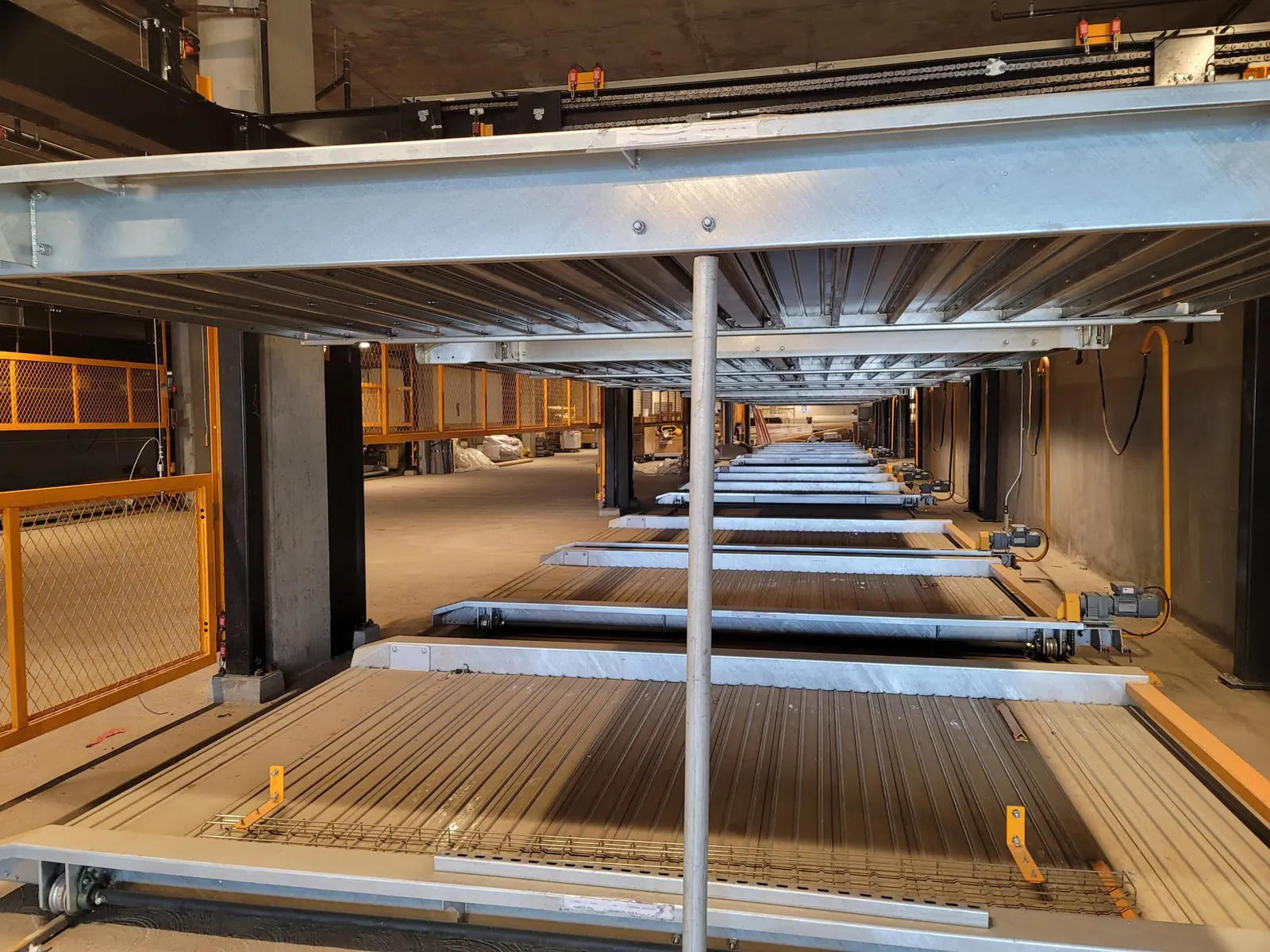
Water management is one of the most overlooked parts of garage cleaning coordination. Even when the cleaning itself is straightforward, runoff can collect in low areas, carry debris toward drains, and leave walking or driving surfaces slick longer than expected. In a stacker garage, that affects more than housekeeping quality. It can change how safely residents approach the system, enter the bay, or exit their vehicles.
Properties should confirm where water will go, how long surfaces are expected to stay wet, and whether any area needs to remain closed until traction is restored. If the site already follows a regular preventive service program, those visits are a good opportunity to review recurring drainage or housekeeping patterns that may be affecting long-term reliability. Cleaning is not maintenance by itself, but poor cleaning coordination can create maintenance issues later.
Give residents one clear access plan for the cleaning window
Resident communication should be specific enough to change behavior. A notice that simply says the garage will be cleaned is rarely enough in an automated parking environment. Residents need to know when access will be restricted, whether retrieval timing will change, which entrance should be used, and when normal use is expected to resume. If temporary staging rules apply, that needs to be stated in plain language.
Properties that communicate early usually avoid the worst day-of friction. The useful message is operational and brief: the date, the expected hours, the affected area, the retrieval impact, and the next point of contact if someone has a conflict. That keeps the operating zone calmer and reduces the chance that staff will face competing resident expectations while the crew is still working.
Assign one site lead to coordinate vendors and post-cleaning checks
A cleaning vendor should not be left to interpret stacker operations on the fly. One on-site lead should confirm when the work begins, what has been isolated, what remains open, and when the final check will happen. That person does not need to perform technical service, but they do need enough familiarity with the garage to spot blocked aisles, lingering equipment-area clutter, or access conditions that are not ready for resident use.
After cleaning, the garage should be walked before traffic returns to normal. Look for standing water, misplaced cones, moved signage, obstructed paths, and any unusual condition near the operating area. If anything about the equipment zone looks questionable, the property should pause and get the right support through the automated parking systems contact page before routine use is restored.
Turn a one-time cleaning event into a repeatable operating standard
The strongest properties do not solve this from scratch every time. They build a repeatable plan with a preferred cleaning window, a short vendor instruction sheet, a resident notice template, and a post-cleaning inspection list. That package becomes especially useful when staffing changes, a new vendor comes on site, or the building shifts to a heavier occupancy pattern.
Garage cleaning should support the daily use of the system, not compete with it. The Trivial Company helps multifamily teams coordinate access, support ongoing operations, and align field work with the realities of automated parking. When cleaning is planned around the way the system is actually used, the property protects both resident experience and long-term equipment performance.