
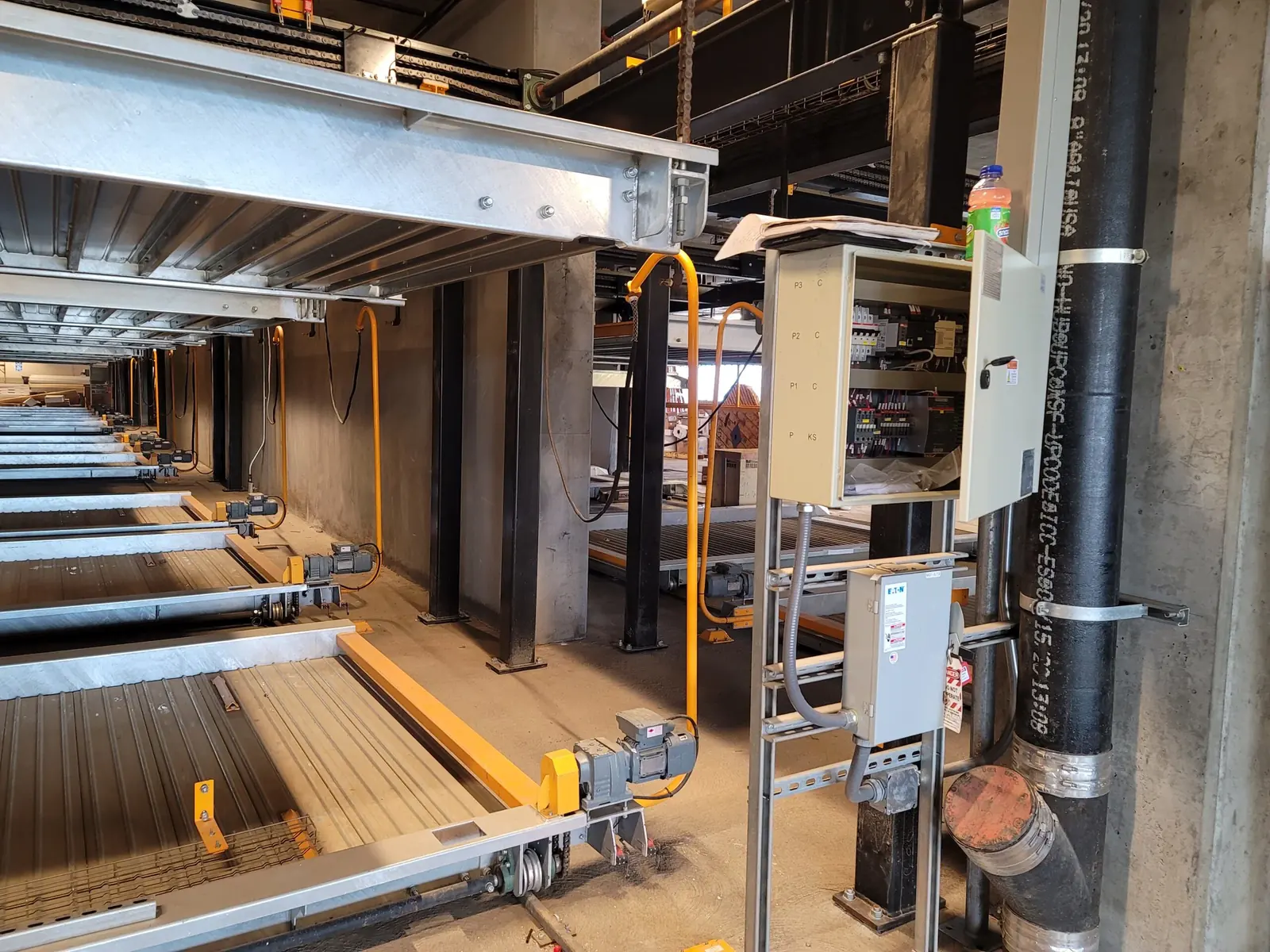
Bay Area parking stackers rarely succeed on equipment selection alone. A stacker system may look straightforward on a product sheet, but the real outcome depends on how early the team coordinates structure, power, drainage, access, and operating expectations. When that work happens too late, even good car stackers and parking puzzles can run into field conflicts that slow installation and complicate turnover.
Design coordination is the point where planning becomes practical. It gives owners, architects, structural engineers, MEP consultants, and garage operators a chance to align around the exact conditions the equipment will face. For projects pursuing parking stackers in a tight urban footprint, that alignment can make the difference between a smooth install and a series of preventable revisions.
Start with the actual use case, not only the equipment layout
Every automated parking or stacker parking project should begin with a clear description of how the garage will be used. Is the property serving residents, attendants, or a mixed-use building? Will turnover happen in short peaks, or is access spread throughout the day? Are there special vehicle-size expectations? These questions shape how the stacker system should be coordinated long before the equipment arrives.
That early use-case review also helps the team decide whether the planned arrangement for parking puzzles or car stackers matches the building’s operating reality. A layout that works on paper may still create awkward circulation, staging pressure, or confusing handoff points if the user flow is not reviewed carefully.
Coordinate structure, slab conditions, and tolerances early
One of the most common sources of delay is late discovery around structural conditions. Bay Area parking stackers depend on accurate dimensions, dependable support conditions, and a realistic understanding of tolerances. If the structural team, installer, and project manager are not aligned early, the job can reach the field with unresolved assumptions about anchorage, clearances, embeds, or slab variation.
Good design coordination gives those issues a place to surface before they become change-order conversations. It does not eliminate every adjustment, but it narrows the unknowns and makes the remaining decisions easier to manage during installation planning and field execution.
Bring power, controls, and access planning into the same discussion
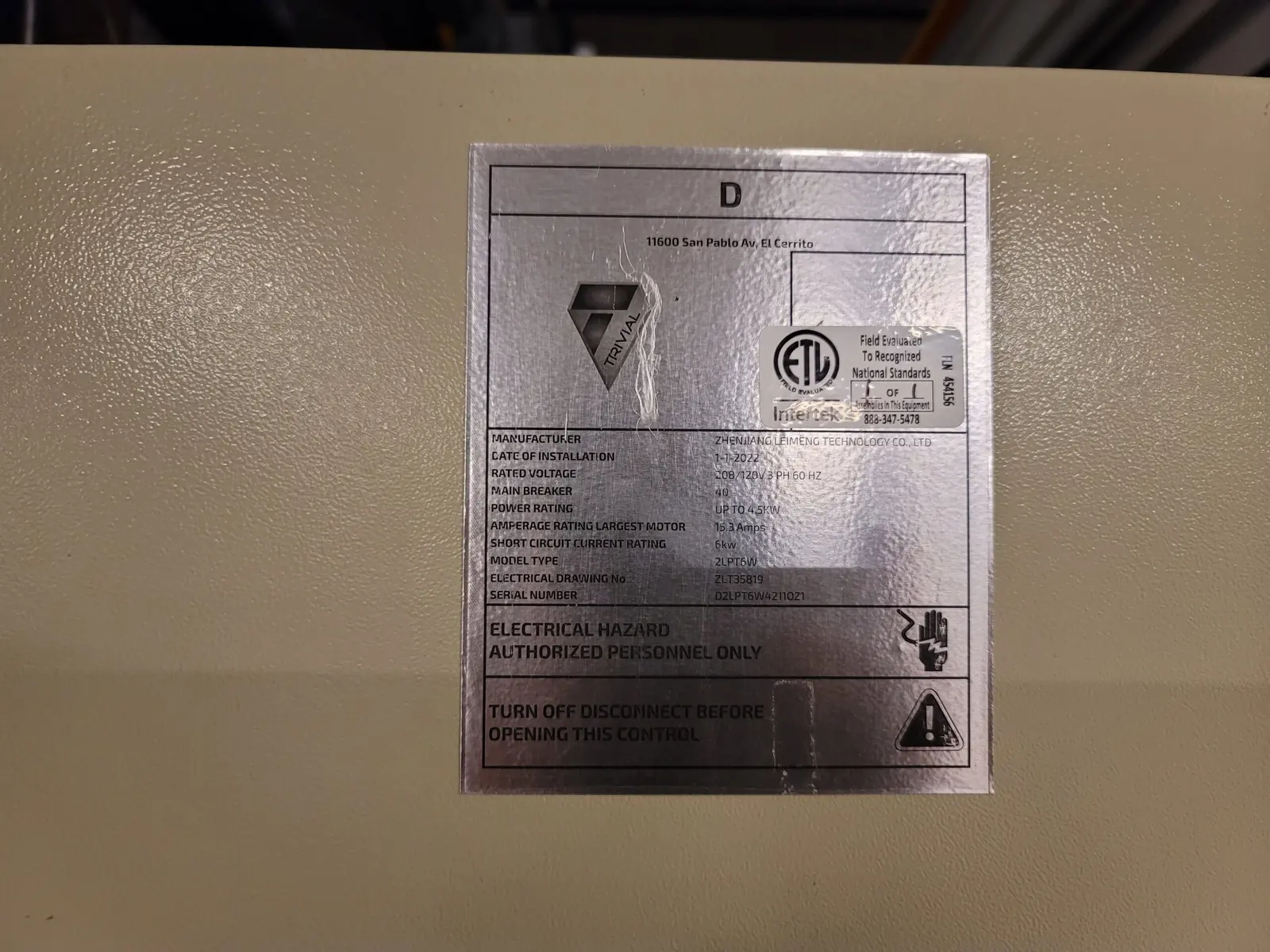
Automated parking systems rely on more than steel and moving platforms. Electrical service, controls placement, communication paths, access devices, and emergency procedures all affect how usable the final garage will be. If these pieces are handled in separate silos, the project can end up with equipment that technically fits but is harder to operate, maintain, or explain to building staff.
That is why coordination meetings should include the operating details that sometimes get pushed aside. Where will staff interact with the system? How will access be managed after hours? What support path exists if a resident needs help? Projects that treat those questions as part of design, rather than post-install cleanup, generally enter service with fewer surprises.
Use parking business intelligence from the site team
In practice, some of the best parking business intelligence comes from the people who already understand the building’s daily rhythm. Property operators, asset managers, and field supervisors often know where traffic backs up, where sightlines are weak, and where residents are likely to hesitate. Their input helps the design team pressure-test assumptions before the system is installed.
This matters especially in the Bay Area, where garages are often constrained by existing geometry and demanding circulation patterns. A coordination meeting that includes practical site feedback can improve decisions around loading positions, queue space, signage, and resident communication without drifting into unsupported theory.
Define the service and maintenance handoff before turnover
Design coordination should also address what happens after installation. A well-run project does not wait until turnover to decide how maintenance expectations, fault reporting, and support responsibilities will be handled. Those discussions should start while the design and installation team still has time to clarify scope and documentation.
That handoff becomes stronger when it is tied to a broader service strategy and a realistic preventive service plan. If ownership understands how maintenance will be tracked and who responds to recurring issues, the system is more likely to remain steady after the construction team leaves.
Keep the meetings focused and repeatable
The most effective coordination meetings are not overly formal. They are specific. The team reviews the current drawings, confirms open decisions, records follow-up items, and makes sure the latest field conditions match the assumptions behind the parking stackers or parking puzzles being installed. Repeating that process at the right milestones helps prevent small coordination gaps from becoming startup delays.
For Bay Area parking stackers, design coordination is ultimately about reducing friction before the garage reaches residents and staff. When the project team aligns early on layout, structure, controls, operations, and maintenance expectations, installation tends to go more smoothly and the property is better prepared for long-term use. If you want to review a planned system or coordinate an upcoming install, contact our team to discuss the site.