
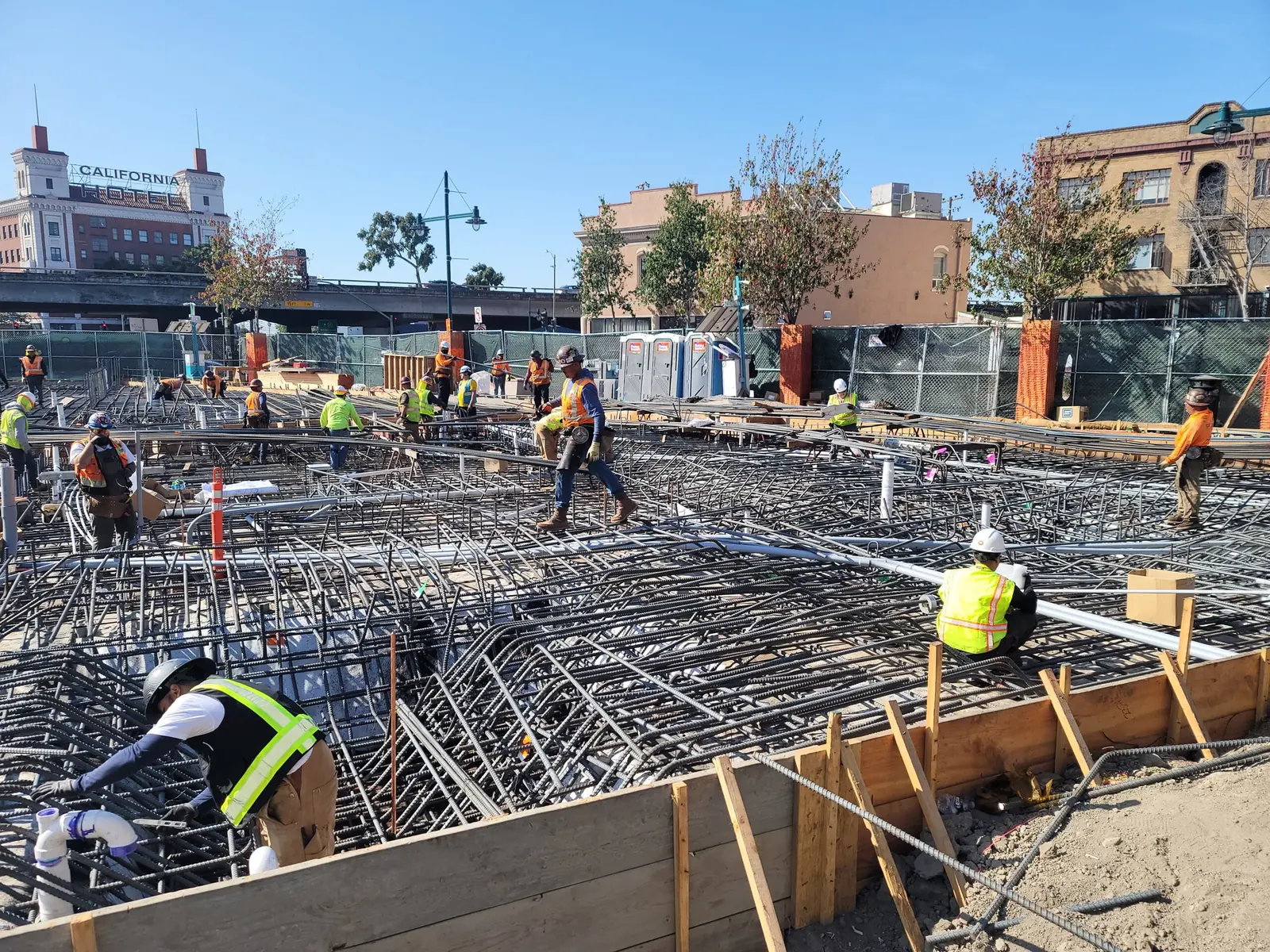
Parking stackers Bay Area properties rely on every day work best when site teams do not have to relearn the operating basics every time staffing changes. A practical operator refresher plan gives managers, valets, engineers, and resident-facing staff a repeatable way to review the stacker system before confusion turns into delays. In multifamily garages, that matters because small operating mistakes can quickly affect multiple households, scheduled move-ins, or daily parking flow.
For buildings that use parking stackers, car stackers, or parking puzzles, refresher training should not be treated as an optional extra. It is part of how a property protects uptime, supports resident confidence, and builds better parking business intelligence. When the same operating standards are reviewed regularly, the site can spot weak handoffs earlier and maintain a more consistent response when questions come up.
Start with the actions people perform most often
An operator refresher plan should begin with the tasks that happen every day. That includes the sequence for parking and retrieval, any rules about vehicle positioning, clearance checks, and how users should respond if the platform pauses. These are the steps most likely to drift over time, especially after turnover or when several groups share responsibility for the garage.
It helps to keep the training aligned with the resident guidance already published for how to park in a parking stacker. Staff do not need a separate story from what residents are told. They need a tighter operational version that clarifies what to observe, what to document, and what should never be improvised around a stacker parking sequence.
Define what the staff should document during issues
One weak point in many automated parking and puzzle parking garages is inconsistent issue reporting. A resident says the platform stopped. A front-desk team member writes down a partial note. Engineering hears a different version later. A refresher plan should correct that by defining exactly what information is captured when something does not operate normally.
That documentation should include stall or platform location, whether a vehicle is trapped, what the user reported, whether any alerts were visible, and what happened immediately before the interruption. This kind of structure is especially helpful when the property is reviewing puzzle parking maintenance cost, because it separates operator confusion from true repair needs and gives service teams a clearer record to work from.
Refreshers should match the actual site layout
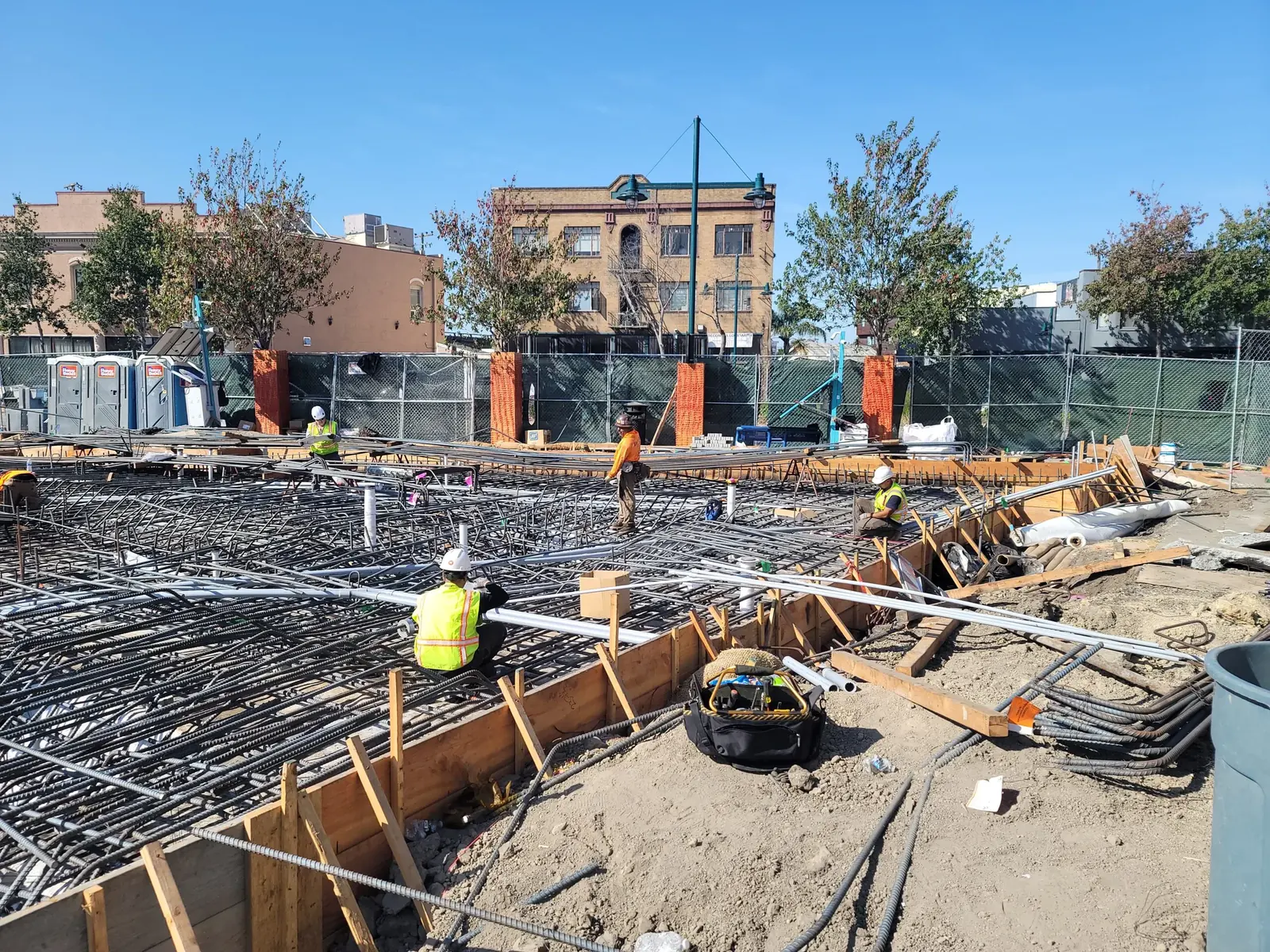
No two Bay Area parking stackers operate in exactly the same context. Some garages have tighter turning movements. Some depend on stronger move-in coordination. Others have a combination of residents, staff, and vendors entering the space during the week. A useful refresher plan should account for those site conditions instead of relying on generic instructions.
That is where coordination with the broader installation-service process and any garage-specific design features becomes important. If the building uses a customized layout, access restrictions, or special resident circulation patterns, the training should reflect that. A stacker system only feels straightforward when the operating guidance matches the physical reality of the garage.
Set a schedule instead of waiting for mistakes
Refresher plans are more effective when they are scheduled instead of triggered only after a complaint. A property may choose to review core operating steps during onboarding, after a staffing change, before peak leasing periods, and again when usage patterns shift. For car stackers and parking puzzles, that rhythm helps management reset expectations before shortcuts become habits.
Sites that already maintain a preventive service rhythm can tie refresher reviews to that calendar. This keeps training connected to the real operating cycle of the equipment. It also helps teams notice whether repeated resident questions or recurring handling mistakes are pointing to a documentation gap rather than a mechanical one.
Include the escalation path and support contacts
A refresher plan should also tell staff what happens when normal operation does not resume. That means defining who is notified, what internal communication is sent, and when outside support is contacted. For parking stackers Bay Area properties use in dense garages, delayed escalation can create avoidable bottlenecks even when the underlying issue is not severe.
Good training therefore includes the right support route, such as the site’s designated automated parking systems contact, along with clear expectations about when to pause use of a platform and when to wait for technical guidance. The goal is not to turn property staff into technicians. It is to make their first response orderly, consistent, and safe.
Use refresher training to strengthen long-term operations
Over time, a documented operator refresher plan supports more than day-to-day parking flow. It improves handoffs between shifts, reduces repeated resident confusion, and gives management better visibility into where the operating process is breaking down. That is valuable for parking business intelligence because it turns scattered incidents into patterns the property can actually review.
For Bay Area parking stackers, parking puzzles, and other stacker system layouts, the most effective properties treat training as part of operations, not as a one-time orientation packet. When teams revisit the basics on a schedule, keep documentation clear, and connect refresher reviews to real site conditions, they create a steadier experience for residents and a more disciplined process for managing parking stackers over time.