
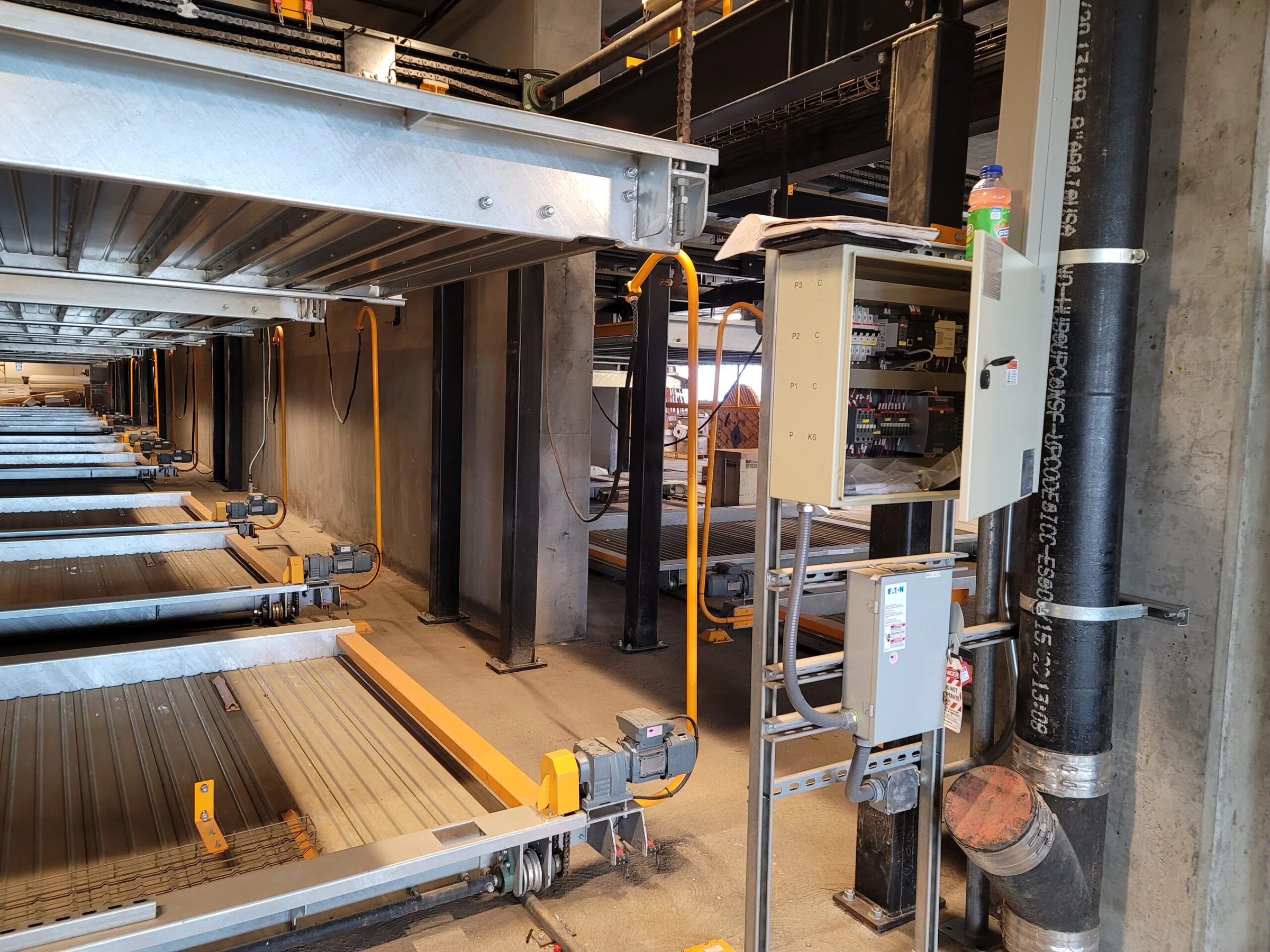
Bay Area parking stackers can be mechanically sound and still feel difficult to residents if the building opens without a clear onboarding process. A stacker system asks people to follow rules about vehicle fit, approach speed, loading sequence, and support requests. When those rules stay informal, property teams often see avoidable confusion long before there is an actual equipment problem.
Thank you for reading this post, don't forget to subscribe!Resident onboarding gives a property a structured way to explain how parking puzzles, car stackers, and other automated parking equipment fit into daily life. It turns the first week of use into a guided handoff instead of a trial-and-error period. For buildings that rely on parking stackers in a tight urban garage, that early clarity helps protect uptime and improves the overall resident experience.
Set expectations before the first parking attempt
Good onboarding starts before a resident pulls into the garage for the first time. The welcome packet, move-in communication, or leasing handoff should explain what kind of system is in place, who the intended users are, and what steps matter most during normal use. This is where a property can explain whether attendants are involved, whether there are height or weight limits, and when a resident should request help rather than improvising.
That may sound basic, but it reduces many of the daily friction points that later show up as service calls. Residents are much less likely to misuse a stacker parking layout when they understand from the outset that the system depends on consistent loading behavior, clear lane discipline, and realistic vehicle matching.
Use simple operating instructions residents will actually follow
Onboarding should not overwhelm people with technical language. It should focus on practical actions. A resident needs to know how to approach the bay, where to stop, how to confirm positioning, and what to do if something does not feel right. Clear instructions matter just as much for parking puzzles as they do for conventional car stackers because hesitation and guesswork tend to create delays for everyone else waiting to use the garage.
Many properties benefit from pointing residents to a stable reference page such as how to park in a parking stacker so the same guidance is available after move-in day. That kind of repeatable reference reduces dependence on memory and gives site teams a consistent answer when questions come up.
Address vehicle fit before misuse becomes a pattern
One of the fastest ways to create recurring trouble is to skip the conversation about vehicle fit. Resident onboarding should make it clear that a stacker system is not a generic first-come parking space. Bay Area properties often serve a mix of sedans, SUVs, and occasional oversized vehicles, so the building needs a consistent way to explain which vehicles are appropriate for each space and what to do when a resident changes cars.
That review is also useful for parking business intelligence. When site teams document the most common fit questions, they can see whether the issue is signage, layout communication, or a genuine mismatch between the assigned space and the vehicle population. Over time, that information helps owners make better operating decisions instead of treating every question as a one-off exception.
Define support paths and response expectations
Residents should know exactly how to get help and what kind of help to expect. A short onboarding process can explain who to contact during business hours, what happens after hours, and what information is helpful when reporting an issue. That alone reduces a surprising amount of confusion, especially in multifamily garages where one resident’s uncertainty can quickly affect several other users.
It also creates a stronger connection to the property’s broader service approach. When the support path is documented early, building staff can separate operating questions from true maintenance concerns and escalate the right items through a planned channel rather than reacting case by case.
Make preventive habits part of the operating culture
Resident onboarding is not a substitute for maintenance, but it does support better maintenance outcomes. A building that teaches residents to report unusual sounds, repeated positioning trouble, or recurring access confusion will usually surface early warning signs faster than a building that leaves everyone to guess. Those observations help the service team see patterns before a minor issue becomes a more disruptive event.
That is where onboarding connects naturally to a preventive service program. The more consistent the daily operating habits are, the easier it is to tell whether a problem comes from wear, site conditions, or user behavior. Cleaner inputs lead to better service decisions.
Refresh the process as the property learns
The best onboarding process is not static. Property teams should review which resident questions keep returning, where confusion tends to happen, and whether the written instructions still match actual garage conditions. Even a short quarterly review can improve the wording, signage, and handoff sequence enough to reduce repeat problems.
For Bay Area parking stackers, resident onboarding is a practical operating tool, not just a courtesy. It helps parking puzzles and car stackers fit more smoothly into the daily routine of the building, supports better communication with residents, and gives the team better information about what the garage actually needs. If your property is preparing for opening day or trying to reduce recurring confusion around a stacker system, contact our team to discuss the site and operating plan.