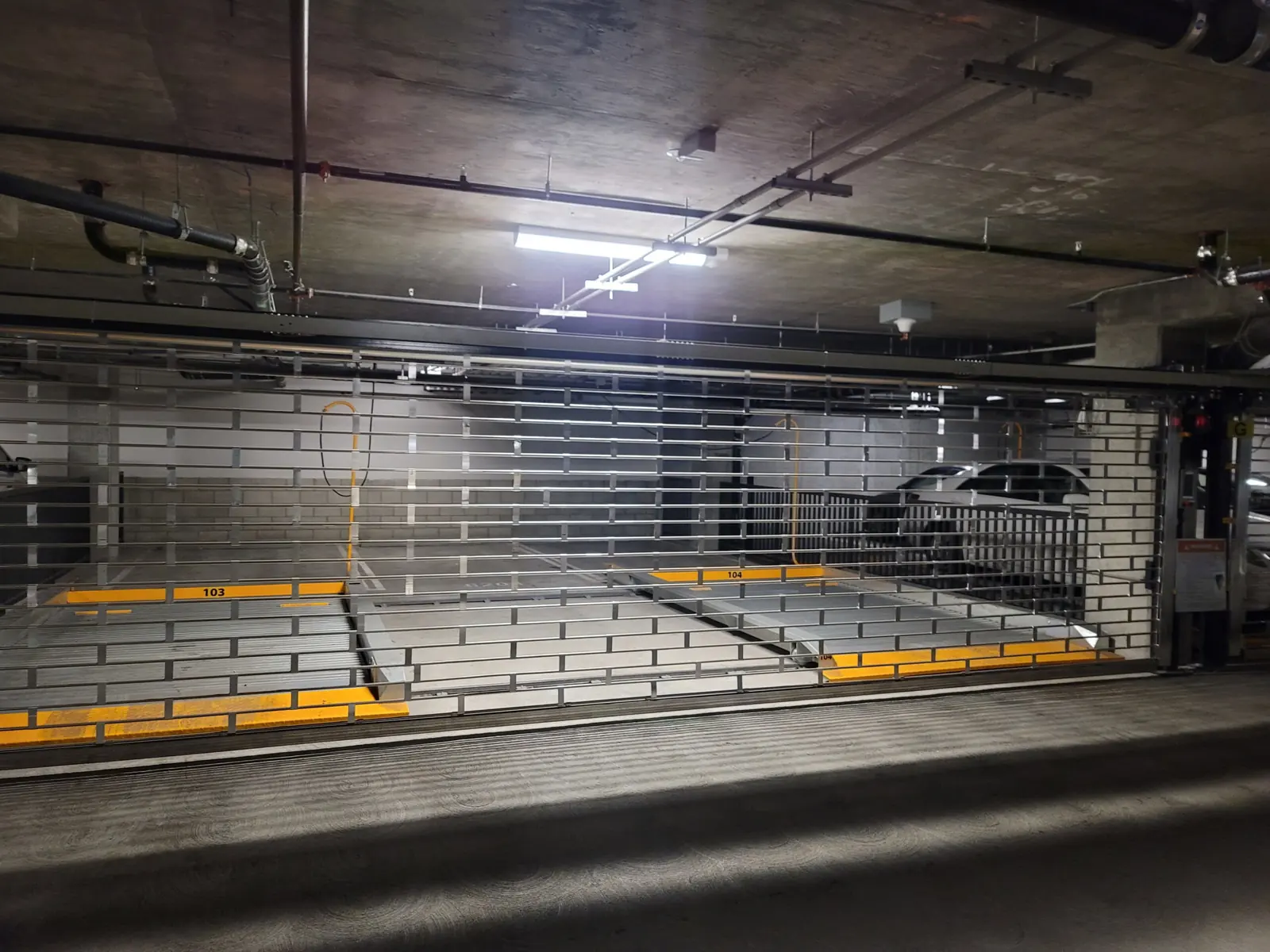
Parking puzzles and parking stackers perform better when property teams know how the system is actually being used week to week. A weekly utilization review gives Bay Area multifamily operators a simple way to see whether the stacker system is supporting smooth parking flow, whether certain stalls are underused, and whether recurring slowdowns are operational or mechanical. That kind of visibility matters in dense garages where one weak process can affect residents, valet staff, and building operations at the same time.
Thank you for reading this post, don't forget to subscribe!For parking stackers Bay Area properties manage every day, utilization reviews are also a practical form of parking business intelligence. They turn scattered observations into a repeatable check on how many spaces are active, when delays tend to happen, and where the property may need clearer guidance. For teams responsible for car stackers, stacker parking, and puzzle parking, that review process can prevent small inefficiencies from becoming routine complaints.
Start with a clear picture of actual usage
A strong weekly review begins with a simple question: how is the equipment being used in real conditions, not just how it was expected to be used on opening day. Some garages see heavier use on certain rows, some have predictable retrieval peaks, and some struggle because residents avoid a portion of the system after one confusing experience. Reviewing that pattern weekly helps management identify whether the issue is training, circulation, signage, or a true service matter.
Properties can compare reservation habits, retrieval timing, and recurring trouble spots against the operating guidance already shared with residents in how to park in a parking stacker. That keeps the conversation grounded in the real user experience. Instead of guessing why a parking puzzle feels slow, the team can look at whether the same sequence mistakes or handoff problems are showing up again and again.
Track delays with enough detail to be useful
Many sites know that residents are waiting longer than expected, but they do not capture enough detail to understand why. A weekly utilization review should document when delays happen, which platforms are involved, whether vehicle fit or positioning played a role, and whether staff intervention was needed. These notes are more valuable than a vague statement that the garage felt busy.
That record becomes especially useful when a property is evaluating puzzle parking maintenance cost. Some delay patterns point to service needs. Others show that turnover, unclear operating instructions, or inconsistent oversight are driving the friction. Separating those issues helps a site decide when to involve preventive service and when the better fix is procedural.

Compare usage patterns against the physical layout
No two Bay Area parking stackers operate in the same setting. A garage may have tighter turning movements, delivery conflicts, or a circulation pattern that favors one bank of equipment over another. Weekly review helps teams see whether the actual parking pattern still matches the design assumptions behind the installation. If it does not, management can make targeted adjustments before congestion becomes the normal state.
This is where a property can benefit from coordination with the broader installation service record and the garage layout it is trying to support. A weekly review may reveal that a lane is being used differently than planned, that move-in activity is crowding a key access point, or that one segment of the system needs clearer operational boundaries. Those are useful discoveries because they improve stacker parking without requiring guesswork.
Use the review to guide training and resident communication
Utilization reviews should not sit in a spreadsheet without affecting how the garage is managed. If the same retrieval bottleneck appears each week, the property may need a short resident reminder, a front-desk script, or a tighter handoff between management and engineering. If the review shows that new users are hesitating on the same set of platforms, the site may need clearer orientation steps or a more visible explanation of the parking sequence.
That makes weekly review a good bridge between operations and service. It supports better decisions on when to retrain staff, when to refresh building guidance, and when to ask for technical support through the site’s automated parking systems contact. The goal is not to overreact to every delay. The goal is to build a disciplined response based on patterns.
Look for the leading indicators of avoidable cost
One of the most practical benefits of weekly review is that it helps a property see the early signs of avoidable cost. Repeated misuse, recurring wait-time complaints, or repeated resets around the same parking puzzles can all point to a gap that is cheaper to address early. When management sees that pattern soon enough, it can update procedure, adjust staffing expectations, or schedule a targeted check before the problem grows.
For teams monitoring car stackers and other stacker system layouts, this is a better approach than relying only on memory or isolated complaints. It creates a steady operating record that can support smarter service conversations and more realistic planning around occupancy, staffing, and maintenance follow-up.
Weekly reviews create better long-term parking business intelligence
In the long run, the value of a weekly utilization review is not limited to a single report. It gives Bay Area property teams a consistent way to understand how parking stackers, parking puzzles, and stacker system operations are performing over time. That helps management make decisions based on evidence instead of assumptions, especially in busy multifamily garages where usage patterns shift with leasing, turnover, and resident routines.
When parking stackers Bay Area communities depend on are reviewed weekly, the property gains clearer visibility into usage, clearer direction for staff, and a better basis for service planning. That is the kind of parking business intelligence that keeps a garage more predictable for residents and more manageable for the teams responsible for keeping parking moving.