Design & Consultation
Early planning, layout optimization, and technical consultation for parking stackers and automated systems.
Design, Supply, Installation & Service for Automated Parking Systems
The Trivial Company focuses on one goal: finding practical solutions for each customer’s parking challenge.
Our team supplies, installs, and provides long-term service for semi-automated parking systems, EV chargers, and related accessories.
Explore parking puzzles, stackers, customized systems, remote operating technology, battery backup, and EV charging.
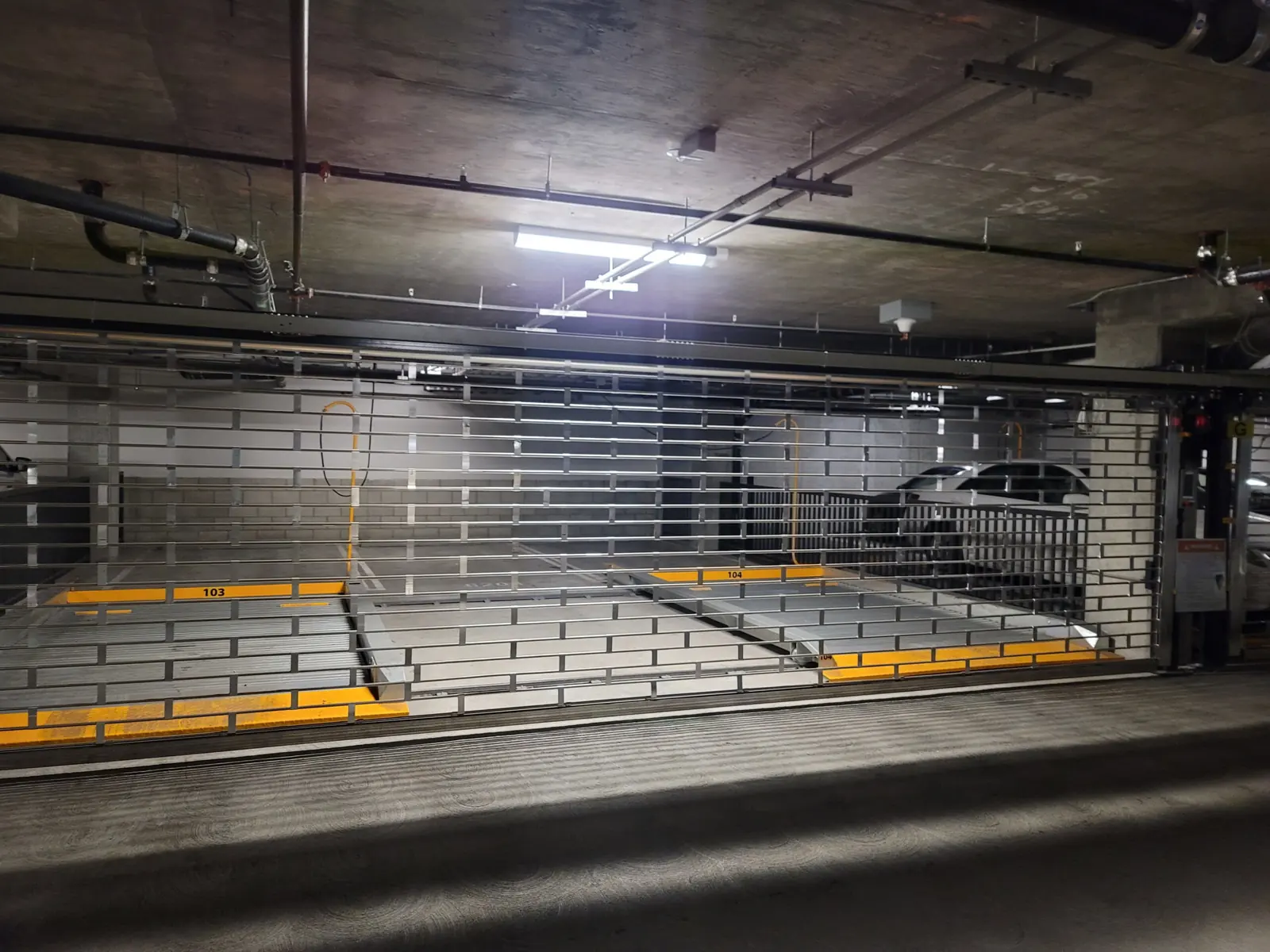
Space-efficient semi-automated parking for compact project footprints.
→Two-, three-, and four-level vertical vehicle storage systems.
→Project-specific and front-to-rear configurations for demanding sites.
→Remote access, user interfaces, backup power, and EV integration.
→Support from early planning and layout through installation, preventive care, repair, and round-the-clock emergency response.
Early planning, layout optimization, and technical consultation for parking stackers and automated systems.
Turnkey installation from submittals through commissioning and final certification.
Preventive programs and corrective repair that support safe, reliable operation.
Remote diagnostics and rapid response intended to minimize downtime and disruption.
See installed car stackers, parking lifts, puzzle systems, and multi-level mechanical parking solutions across the United States.
“They remain one of our most dependable partners.”Robert Rudinsky, McKenzie River Company Development
“They were reliable, organized, and committed to completing the project at a high standard.”Tony Piscitello, USA Construction Management Inc.
Six-level puzzle installation with 110 spaces in a 4,140 sq. ft. equipment footprint.
Explore a parking layout, choose your options, and download your preliminary project PDF.