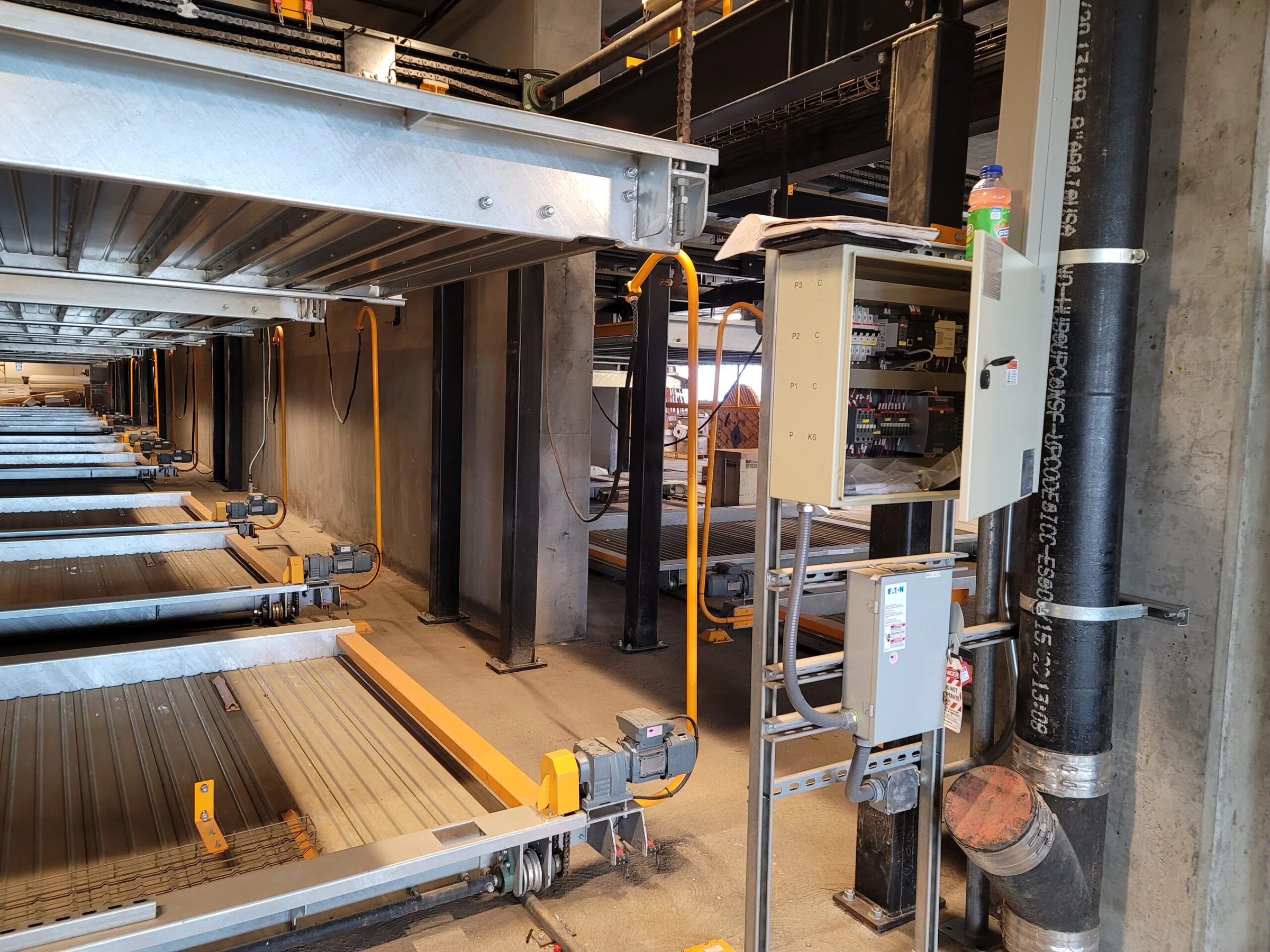
Parking stackers bay area properties depend on can seem stable during a normal week while still accumulating small operating issues that deserve attention. A sign can loosen. A housekeeping item can narrow a driver approach path. A control cabinet area can fill with stored materials. None of those issues necessarily triggers an urgent service call, but each one can affect how a stacker system feels to residents and staff.
Thank you for reading this post, don't forget to subscribe!That is why weekly manager walkthroughs matter. For bay area parking stackers, parking puzzles, car stackers, and related stacker parking layouts, a short recurring review gives onsite teams a practical way to catch small problems before they turn into avoidable downtime or higher puzzle parking maintenance cost. Just as important, the walkthrough creates better parking business intelligence because observations are gathered consistently instead of only after a complaint.
Start with circulation, access, and housekeeping
The first part of a weekly walkthrough should focus on the space around the equipment rather than the equipment alone. Managers should look at drive aisles, pedestrian paths, waiting areas, bollards, mirrors, doors, and any temporary items that may have drifted into the operating zone. Parking puzzles and car stackers depend on predictable access. A clean approach path helps residents align more confidently and reduces the chance that small obstructions will slow daily use.
This review works best when it follows the broader operating approach described in the property’s services plan. The goal is to confirm that the garage still matches the intended day-to-day pattern instead of gradually shifting into a less organized stacker parking environment.
Check visible conditions that affect routine service
Weekly walkthroughs are also a good time to look for visible conditions that can complicate future service. That includes blocked access to panels, signs of moisture, debris around drainage points, damaged protective barriers, or anything stored near components that technicians may need to reach. Managers do not need to perform technical diagnostics during this review. They need to spot conditions that make routine upkeep harder than it should be.
Linking that observation to a clear preventive service path helps control puzzle parking maintenance cost over time. When service teams arrive to a clean, accessible work area, inspections and recurring maintenance are more efficient and less likely to be delayed by avoidable site conditions.
Review resident-facing communication every week
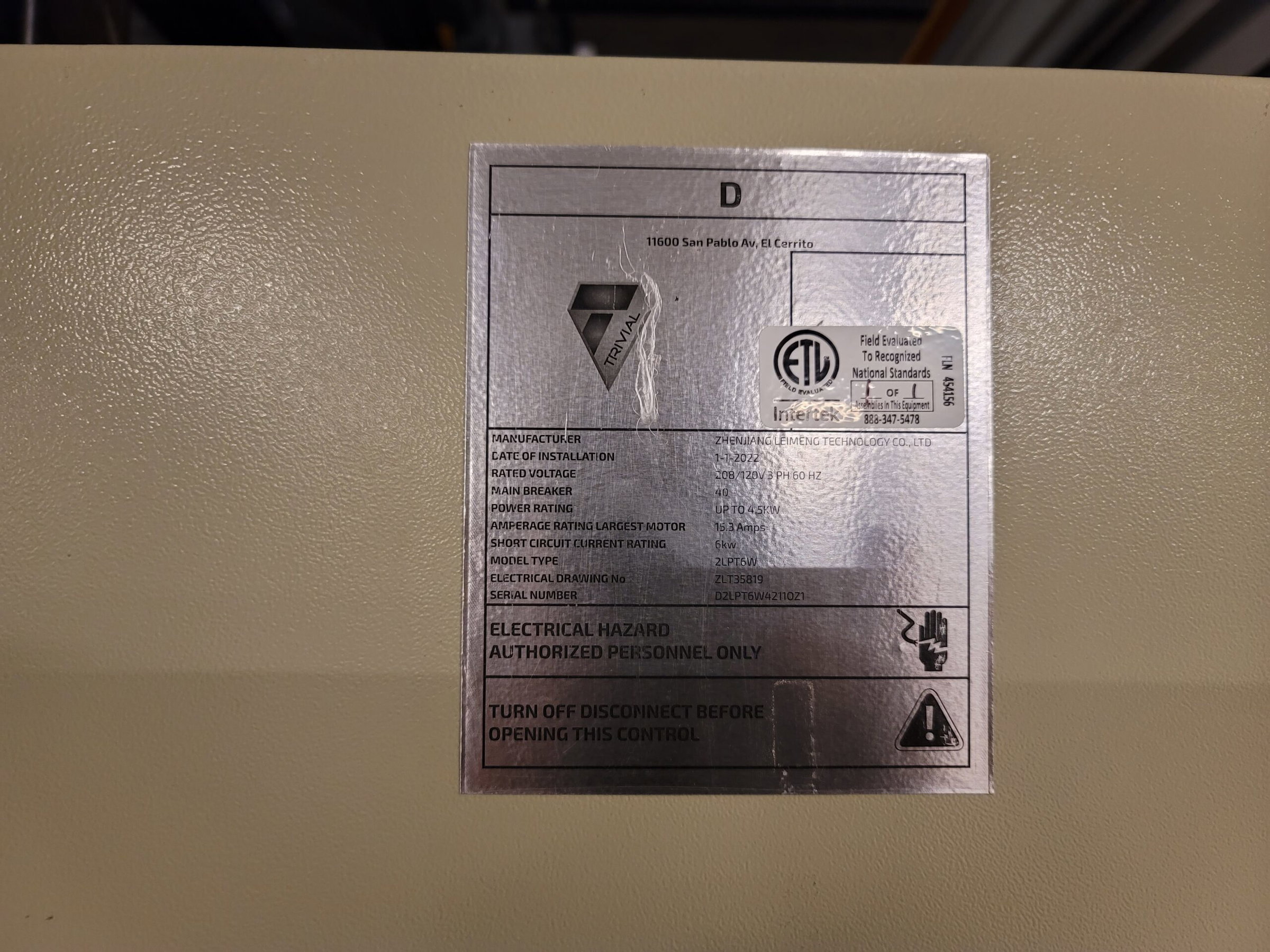
Many stacker system problems are really communication problems. A weekly walkthrough should confirm that instructions remain visible, readable, and consistent with current operations. If drivers are relying on older direction, unclear signage, or ad hoc verbal guidance, confusion can spread quickly across a multifamily property. That confusion often shows up as preventable support requests rather than a mechanical defect.
Managers should compare what residents see in the garage with the operating guidance already provided through how to park in a parking stacker materials. If the built environment and the training message no longer match, the property has a clear action item before confusion becomes normal.
Confirm controls and support paths are still practical
A weekly walkthrough should also include a simple review of support readiness. Staff should verify that key contact details are current, access to approved operating tools remains straightforward, and the path for escalating an issue is still clear. This is especially important when staffing changes, vendor scheduling shifts, or ownership transitions create subtle gaps in responsibility.
For some properties, that review includes checking how tools like the RAUL remote access unit for lifts fit into the operating routine. The objective is not to create a complicated checklist. The objective is to confirm that when a problem appears, the team knows how information moves from the garage to the right support contact without unnecessary delay.
Document patterns, not just isolated issues
The strongest walkthrough programs do more than log one-off observations. They also look for patterns. If the same aisle keeps collecting stored items, if the same user mistake appears in multiple notes, or if a particular bay generates repeated questions, the property has learned something useful about operations. That is where parking business intelligence becomes practical. The value is not in collecting a large volume of notes. The value is in using a consistent weekly review to see which operating issues repeat.
Those patterns can inform future installation service adjustments, clearer resident guidance, and refinements to how a stacker system is managed over time. They can also help determine whether a property should revisit circulation details, communication habits, or escalation practices rather than treating every issue as a separate event.
Use the walkthrough to protect long-term system performance
Weekly manager walkthroughs do not replace professional service, but they do protect the conditions that let professional service work well. For parking stackers bay area teams manage every day, that makes the walkthrough a practical operating tool rather than extra paperwork. Small observations made consistently can keep stacker parking cleaner, reduce avoidable friction, and support more orderly decisions about maintenance and resident operations.
If your property needs a clearer operating framework for parking puzzles, car stackers, or other bay area parking stackers, review our parking stackers resources, explore customized systems, or reach out through our automated parking systems contact page.