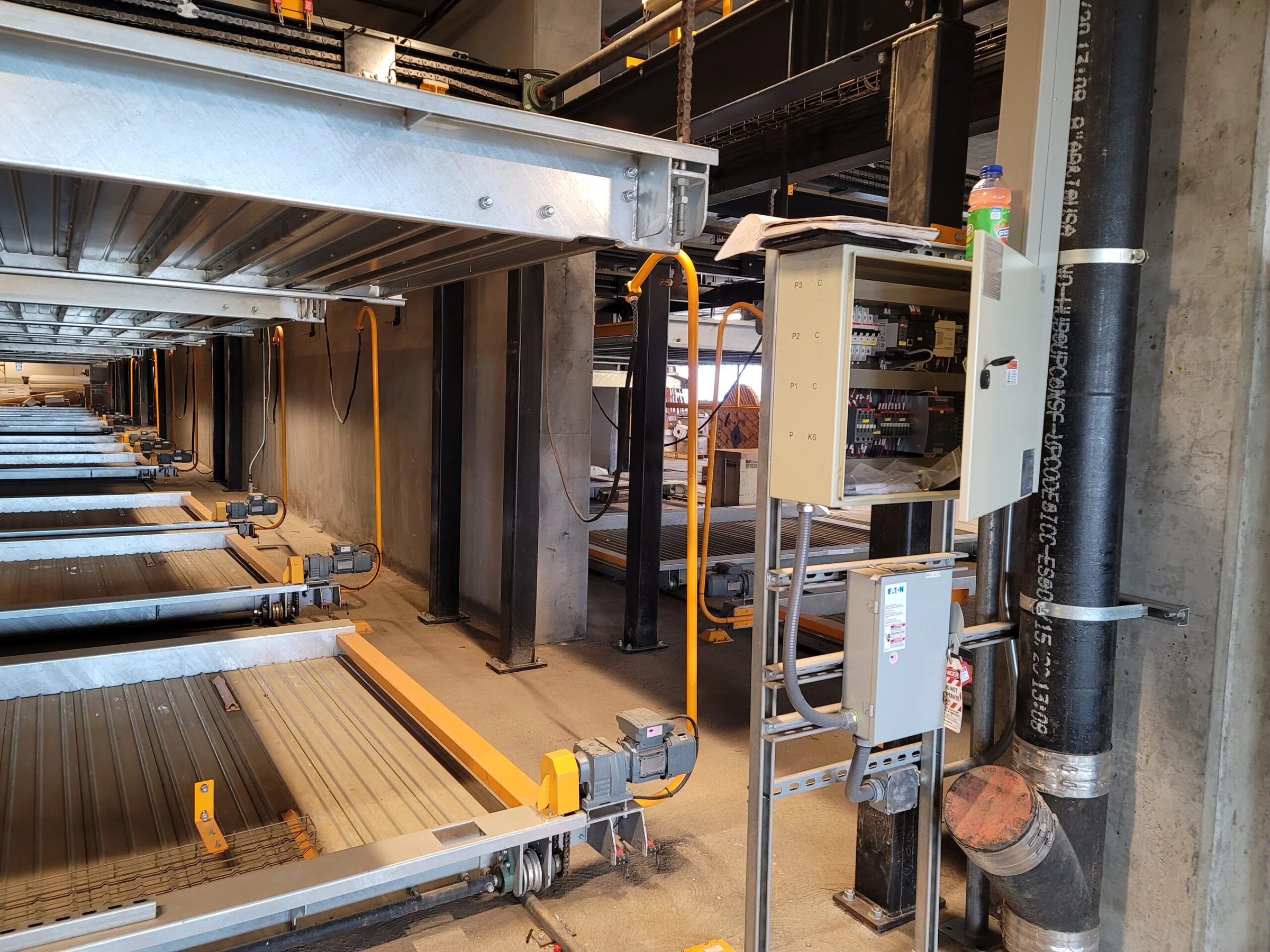
Clear signs do more work in a stacker garage than many properties expect. Drivers make decisions quickly when they enter, line up, position a vehicle, wait for a platform, or decide whether a stall is even appropriate for their car. If the signage package is incomplete or inconsistent, Bay Area parking stackers lose time to hesitation, repeat explanations, and avoidable support requests.
Thank you for reading this post, don't forget to subscribe!That is especially true for parking stackers, car stackers, and parking puzzles in active residential and mixed-use buildings. A good signage package does not just label a bay. It explains the logic of the stacker system in a way that helps residents, attendants, vendors, and service teams make the same decisions every time. For parking stackers bay area properties depend on, clear signage also improves record quality and supports stronger parking business intelligence when issues do arise.
Mark the driver decision points first
The most effective signage plans start by identifying where a driver has to choose an action. That includes the garage entry, the approach aisle, the staging position, the control point, and the exit path. Each of those moments can produce delay if the user is unsure whether to stop, wait, proceed, reverse, or ask for help.
For bay area parking stackers, it helps to treat those signs as part of normal operating infrastructure rather than decoration added at the end. When the site documents those decision points inside its broader services planning, staff can keep the wording, placement, and update process consistent instead of fixing confusion one complaint at a time.
Align signage with the actual site layout
A generic instruction board rarely covers the real geometry of a garage. Turning radii, sightlines, pedestrian paths, gate locations, and queue areas all shape how the parking system gets used. Signage should reflect the actual path a driver follows rather than a simplified diagram that only makes sense during a walkthrough.
This is where signs connect directly to installation service and customized systems decisions. A property may need bay labels that correspond to a unique layout, directional arrows that reduce hesitation at a narrow approach, or reminder placards that protect a recurring clearance concern. When that coordination happens early, the site avoids teaching residents one pattern while the garage demands another.
Show vehicle-fit rules where users need them
Parking puzzles and car stackers operate within specific fit conditions. Drivers need clear reminders about dimensions, overheight items, mirrors, roof racks, wheel placement, and any conditions that require review before using a bay. If those limits live only in a handbook or orientation email, they will not help in the moment when a vehicle is about to enter the system.
Placing those rules near the point of use reduces ordinary mistakes and gives staff a neutral reference when they have to stop a vehicle from proceeding. That can lower avoidable wear on the stacker system and make parking puzzle maintenance cost conversations more accurate later, because the property can separate equipment behavior from misuse or misunderstanding.
Support residents, guests, and temporary users differently
Not every user enters the garage with the same context. Residents may know the daily routine, while guests, delivery teams, or temporary staff may have only a few seconds to understand the process. A complete signage package should account for that difference with concise instructions, clear escalation points, and obvious direction about when not to use a bay.
Resident-facing guidance such as how to park in a parking stacker works better when the on-site signs reinforce the same sequence and vocabulary. If the website says one thing, the posted placard says another, and the staff handoff says a third, daily use becomes less predictable. Consistency is one of the simplest ways to make stacker parking feel manageable.
Use signage to improve issue reporting
Good signage does not only guide parking. It also improves the quality of the information a property receives when something feels wrong. If a sign tells a user what bay they are in, what condition they are seeing, and where to report it, the follow-up note becomes more useful. That supports better parking business intelligence and faster triage when service is needed.
For Bay Area parking stackers, this can be as practical as standard bay numbering, a clear support route, and simple wording around common states. If the property uses the RAUL remote access unit for lifts or another support workflow, signage should point users to the right escalation path instead of leaving them to improvise a description from memory.
Review and refresh the package as operations change
Signage should not stay frozen after turnover. Buildings change staff, resident habits shift, and recurring questions reveal where the current package is weak. A practical review cycle lets the property update labels, reorder instructions, or add missing reminders before confusion becomes normal.
That review belongs near the same cadence as preventive service and operating checks so the garage keeps one current source of truth. If your team needs help tightening signage for parking stackers bay area properties, parking puzzles, or car stackers, contact our team to review the site signage package and daily stacker system guidance before small misunderstandings become routine delays.