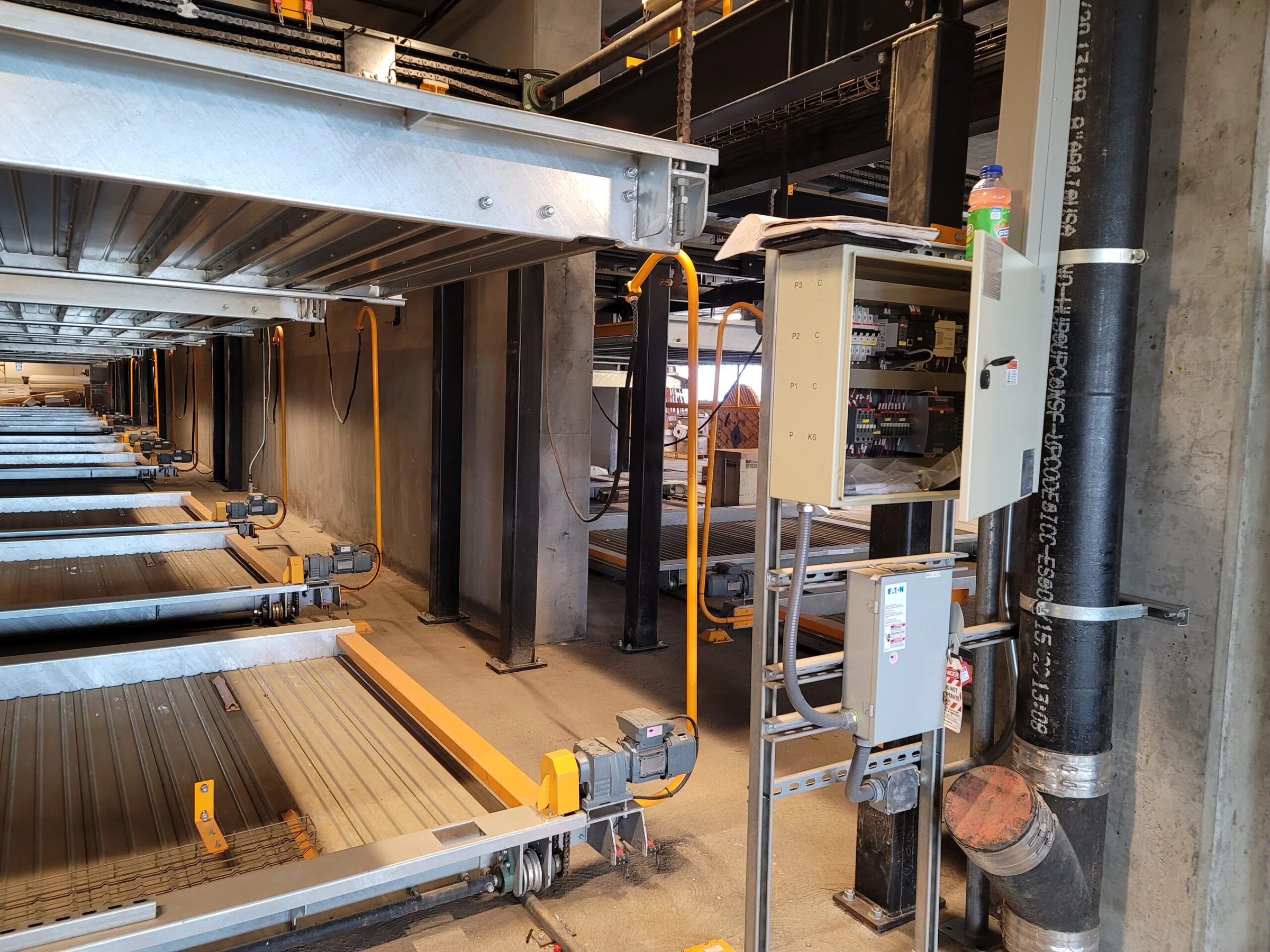
Vehicle fit problems usually show up too late. A resident arrives on move-in day, the leasing team expects the assigned stall to work, and only then does the garage discover that the car is too tall, too long, too heavy, or not a good match for the platform configuration. For parking stackers bay area properties rely on, that kind of late discovery creates friction for residents and extra work for site teams.
Thank you for reading this post, don't forget to subscribe!A stronger approach is to prequalify vehicles before the first parking assignment is finalized. That matters for parking stackers, car stackers, and parking puzzles because the stacker system does not operate like open surface parking. Each site has real dimensional limits, approach conditions, loading assumptions, and operating rules. When leasing teams collect the right information early, bay area parking stackers can start residents with more accurate expectations and fewer first-day conflicts.
Start the review before the lease handoff is complete
Prequalification works best when it happens during the leasing timeline, not after keys are already issued. If the garage will be part of the resident experience, vehicle review should sit alongside the other practical move-in checks the property already manages. That gives the team time to confirm whether the proposed bay fits the vehicle profile and whether any follow-up review is needed.
For many properties, this fits naturally into broader services coordination. Instead of waiting for an exception, the property can use a simple intake checklist that asks for the make, model, model year, trim details that affect dimensions, roof accessories, and any conditions that may change clearance or wheel placement. That process is especially useful where multiple stacker parking types exist in the same garage.
Collect the details that actually affect fit
A short intake form is only valuable if it captures the right information. Bay Area parking stackers often need more than a rough vehicle description. Leasing teams should gather the dimensions that matter to the installed equipment, plus notes about attachments or conditions that regularly create confusion. Roof boxes, racks, oversized tires, aftermarket body changes, and unusual weight distribution can all change whether a bay is appropriate.
This is where clear coordination with installation service and site-specific operating guidance matters. A generic national checklist may miss the conditions that apply inside one garage. If the property has unique geometry, approach angles, or a custom mix of upper and lower positions, the intake should reflect those realities so the leasing conversation matches the actual stacker system.
Match the vehicle to the right bay type, not just any open space
Prequalification is not only about rejecting poor fits. It is about assigning the right fit from the beginning. Some garages include positions that are better for sedans, others that handle a different length profile, and others that need extra caution because of access flow or adjacent obstructions. A thoughtful match helps protect availability for everyone else using the system.
That is one reason customized systems planning should stay connected to leasing operations. The more a property can translate technical bay conditions into plain language for the front office, the easier it becomes to place the right resident in the right stall without escalating every question to engineering. Over time, that also improves parking business intelligence because the team can see which vehicle patterns repeatedly cause reassignment or support calls.
Use prequalification to reduce maintenance misunderstandings
When a vehicle that does not fit well is pushed into daily use, normal friction can get misread as a maintenance problem. Residents may report that the parking system feels unreliable when the real issue is repeated misuse, marginal clearance, or an assignment that never matched the vehicle in the first place. Better intake helps separate equipment condition from assignment error.
That distinction matters when properties review parking puzzle maintenance cost and service trends. If the site knows which vehicles were approved for which positions, later issues become easier to interpret. The maintenance conversation becomes more accurate, and preventive decisions can focus on the true equipment needs instead of chasing recurring avoidable conflicts. Pairing intake discipline with preventive service records creates a more useful operating history.
Prepare the resident for first use
Even when a vehicle is a good fit, the resident still needs a clear handoff. A prequalified assignment should lead directly into orientation about the site sequence, staging position, timing, and reporting path. Written instructions and the resident-facing guide on how to park in a parking stacker are much more effective when they follow a fit decision that has already been checked.
Properties that use remote support tools such as the RAUL remote access unit for lifts can also explain in advance how assistance works if a user needs help during the first week. That reduces anxiety around first use and gives the resident a clear support path instead of making the garage feel unpredictable.
Review the intake data as an operations tool
The value of prequalification does not end after move-in. Over time, leasing notes, reassignment patterns, and support requests show where the process can be tightened. Maybe one vehicle class routinely needs an earlier review. Maybe one bay type creates more confusion than expected. Maybe the property needs a clearer threshold for when the front office should stop and request technical confirmation.
That review loop helps parking stackers, car stackers, and parking puzzles operate more consistently across resident turnover. If your property wants to align leasing intake with stacker system reality and reduce avoidable first-day conflicts, contact our team to review your vehicle prequalification workflow for Bay Area parking stackers.