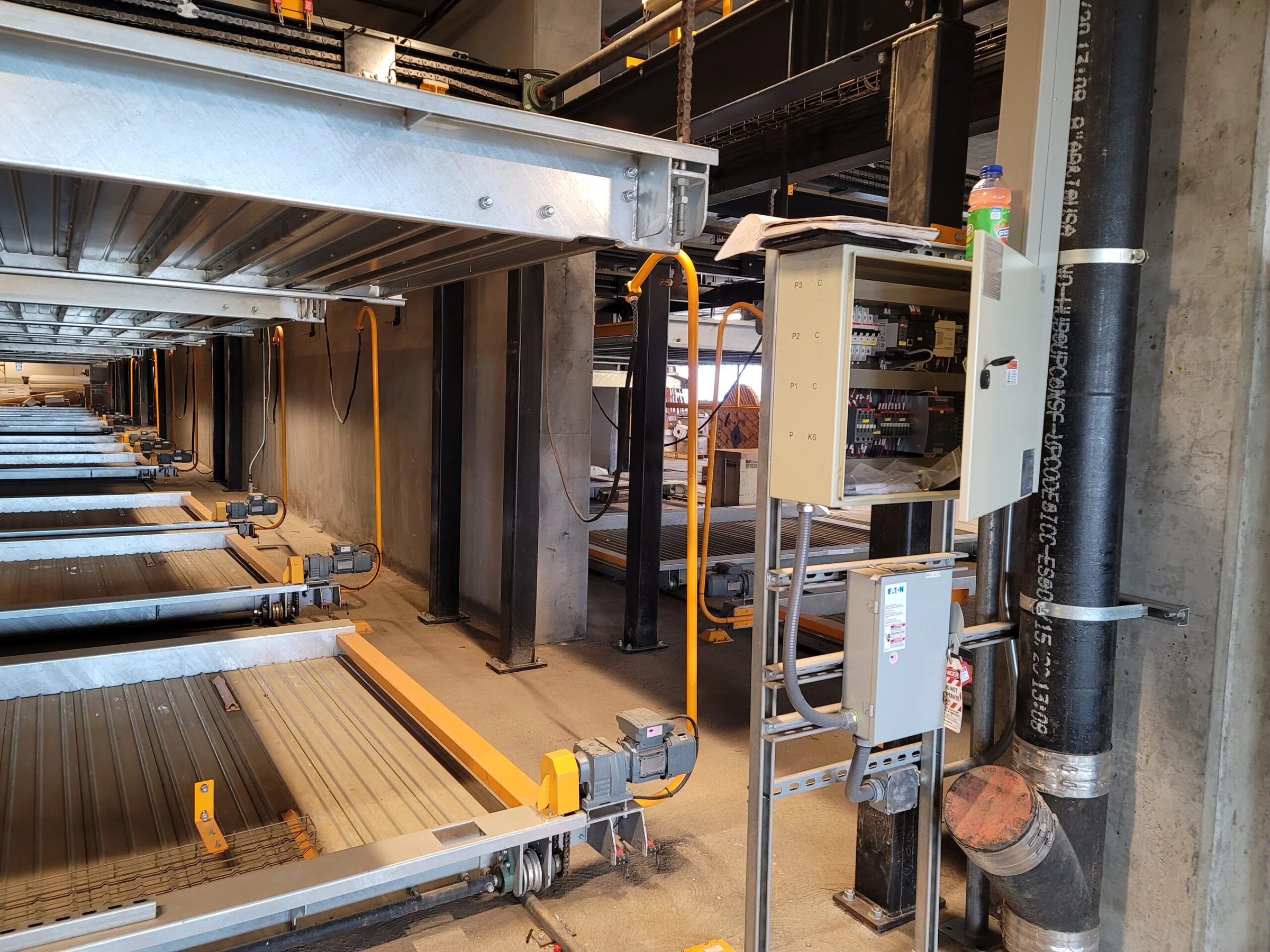
A parking system can look finished before it is truly ready for daily use. Platforms move, controls power up, and a few demonstration cycles complete without obvious trouble. For Bay Area parking stackers, though, the more important question is whether the garage can handle real operating patterns once residents, staff, and service teams begin relying on it every day. That is where commissioning test runs matter.
Thank you for reading this post, don't forget to subscribe!Commissioning is the stage where a site proves that the stacker system works under the actual conditions of the property, not just under a short startup demonstration. For parking stackers, car stackers, and parking puzzles, a well-run commissioning sequence helps confirm control logic, circulation, communication, and operator understanding before small gaps turn into recurring service calls. For parking stackers bay area properties depend on, those test runs also create better records for stacker system planning and stronger parking business intelligence later.
Start with the real operating sequence, not a showroom cycle
A commissioning test should mirror the way the garage will actually be used. That means looking beyond a simple up-and-down movement and confirming the full arrival, positioning, retrieval, and exit sequence that residents or attendants will follow. If the system depends on staging steps, warning devices, gates, or timing windows, those items need to be tested together rather than in isolation.
This matters because many early problems come from handoffs between steps, not from a total equipment failure. A platform may respond correctly, but drivers may still hesitate at a cue, a gate may close too quickly, or a return sequence may create unnecessary delays. When commissioning is tied to actual use, the site gets a more honest view of how the parking system will perform after turnover. That review should sit alongside broader services planning so the record stays useful after installation is complete.
Verify communication paths before the garage gets busy
Modern stacker parking depends on more than lifts and steel. It also depends on signals, interfaces, alerts, and support visibility. A commissioning run should confirm that the system reports the right status, that alarms make sense to on-site staff, and that remote support tools still reflect the real condition of the equipment. If a property uses the RAUL remote access unit for lifts, that connection should be reviewed during the test window rather than after the first confusing service event.
For bay area parking stackers, this step is practical rather than theoretical. If a site cannot tell the difference between a normal pause, a reset condition, and a genuine fault, daily operations become harder from the start. A clean commissioning record gives the property a baseline for what healthy communication looks like, which makes later diagnostics faster and more credible.
Use commissioning to catch layout-specific friction
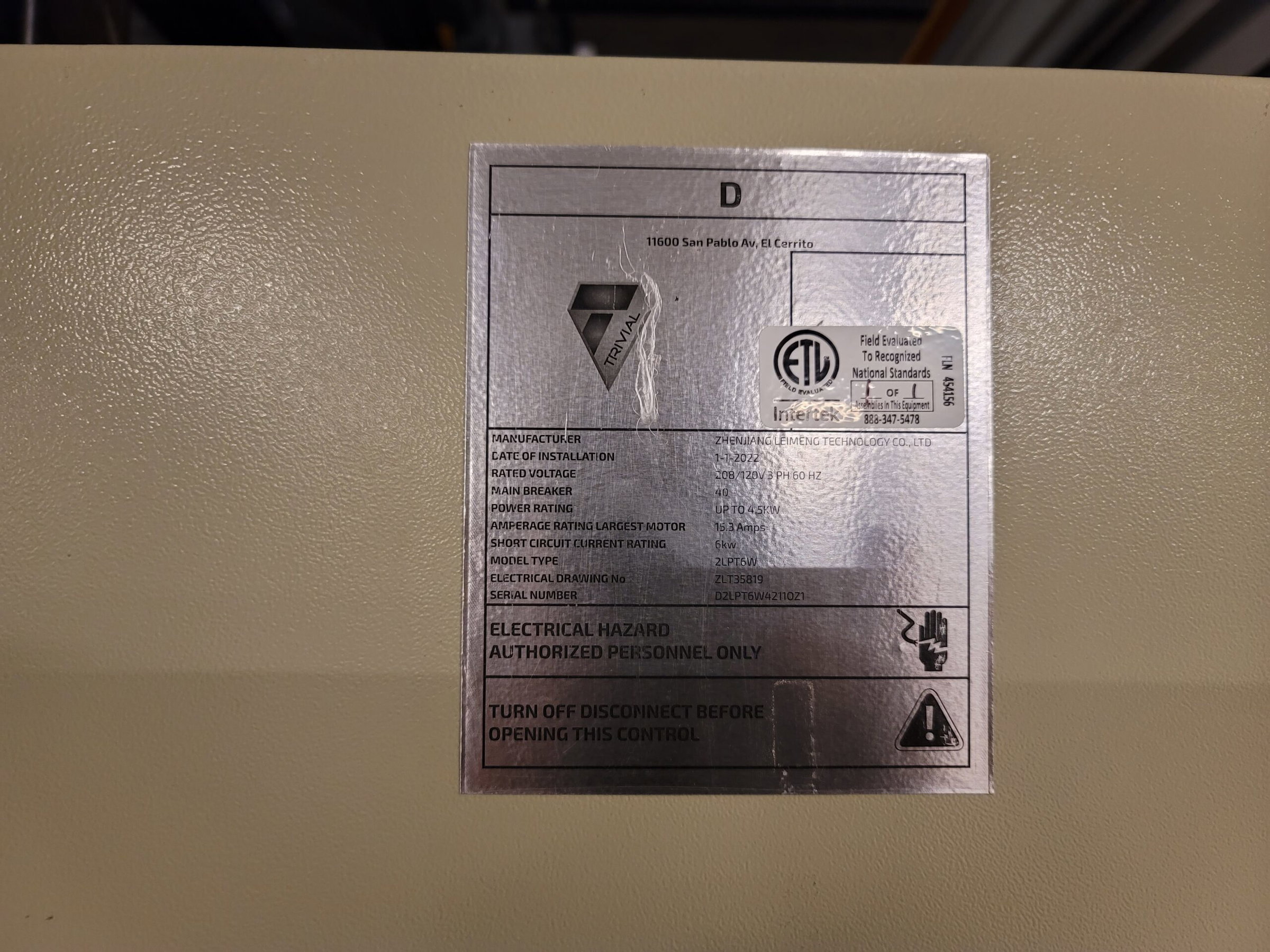
Every garage has its own geometry. Turning space, approach angles, signage placement, sightlines, and pedestrian activity can all affect how a parking puzzle or car stacker performs in practice. That is why commissioning test runs should account for the actual layout and not assume the property matches a generic standard. The system may be technically functional while still creating avoidable friction for the people using it.
That layout review often connects directly to installation service and customized systems decisions. A property might discover that queue timing needs refinement, an instruction sign needs clearer placement, or a particular stall approach deserves extra driver guidance. Finding those issues during commissioning is far less disruptive than discovering them after residents have already formed workarounds.
Test ordinary edge cases before they become recurring calls
A useful commissioning plan should include the situations that commonly create confusion in the first weeks of operation. That might include a delayed exit, a misaligned vehicle position, a user who needs to repeat an entry step, or a restart after a routine interruption. These are not dramatic failure scenarios, but they are the situations that often generate early frustration and unnecessary dispatches if no one has practiced them.
For parking puzzles and stacker parking systems, this is also where the property begins learning its maintenance cost patterns. If the team can identify which issues come from user instruction, which come from layout constraints, and which point to a real equipment concern, it can make better decisions about follow-up labor and service planning. That distinction supports clearer parking business intelligence and reduces the noise inside the maintenance record.
Carry commissioning results into preventive service and training
The best commissioning test is not just a signoff event. It should leave the site with clear notes on what was tested, what was adjusted, what still needs monitoring, and what operators should watch during the first regular weeks of use. Those notes belong in the same record set as preventive service materials so future technicians can see the original operating baseline instead of guessing how the site was intended to run.
For Bay Area parking stackers, that continuity is valuable because turnover, staffing changes, and daily pressures can erase context quickly. A practical commissioning package gives ownership, operators, and service teams a shared reference point. If your property wants help preparing parking stackers bay area residents can use with more confidence, contact our team to review the garage, the commissioning sequence, and the ongoing support plan before daily issues start to compound.