
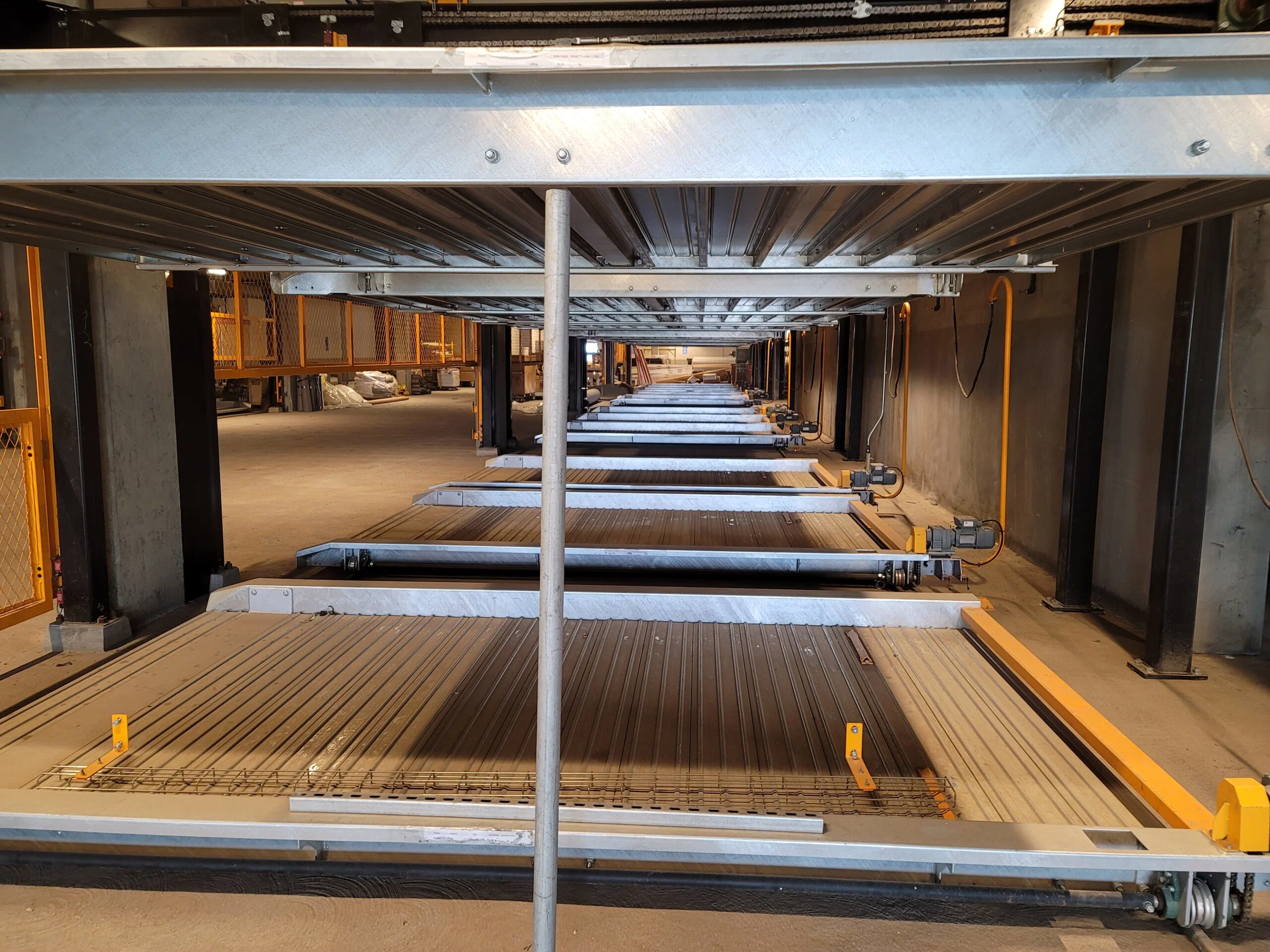
Opening a multifamily building is never just about handing over keys. When a project includes automated parking, the move-in period becomes one of the first real operating tests for the garage. Residents are learning traffic patterns, staff are answering access questions, delivery activity is increasing, and management is trying to keep the opening experience orderly. If the parking system is not part of that move-in plan, avoidable friction can show up immediately.
Thank you for reading this post, don't forget to subscribe!That does not mean the equipment is failing. In many cases, the early problems come from timing, communication, and operating habits rather than from the machinery itself. A garage can be technically ready and still feel difficult if residents do not know what to expect, if staff do not have a clear escalation path, or if move-in logistics overload the parking area during the first critical days. That is why move-in planning matters for automated parking operations.
Property teams that treat move-in readiness as part of their broader parking system service and support plan are usually better positioned to keep the garage calm, consistent, and easier to manage from day one.
Move-in changes how the garage gets used
A new building often operates differently during move-in than it will a month later. More people are asking questions, more vehicles are circulating in unfamiliar patterns, and temporary loading needs can crowd the same space that residents use to park. In a conventional garage, that can create inconvenience. In an automated parking environment, it can also create confusion about staging, timing, and access sequence if no one has prepared residents in advance.
That is why a move-in plan should account for where people queue, how instructions are delivered, when support staff are available, and how the property wants to handle peak arrival periods. The goal is not to turn leasing or concierge teams into technicians. The goal is to make sure the first week of use reinforces the right operating behavior instead of teaching workarounds that create noise later.
Resident guidance should be simple and visible
Residents do not need a technical manual. They need concise operating guidance that matches the actual garage. That includes where to enter, what the loading position should look like, what the normal retrieval rhythm feels like, and where to go for help if something seems off. The more clearly those expectations are communicated before and during move-in, the less likely normal startup questions are to get treated like equipment failures.
In many projects, a short orientation combined with clearly posted directions is enough to reduce repeat confusion. Pairing move-in communication with basic parking stacker operating guidance gives residents a practical reference point and helps staff stay consistent in the way they explain the system.
Staff need an escalation plan before the first busy week
Even when residents receive clear instructions, the property team still needs a simple internal process for handling questions. Someone should know what information to collect, what counts as a use issue versus a service issue, and when the support team should be contacted. Without that structure, every delay can feel urgent and every resident concern can get routed inconsistently.
Move-in planning gives the team a chance to define that process early. It can include contact routing, issue categories, and the expected response path for minor operating questions versus technical concerns. When the garage opens with that discipline in place, installation and startup support can focus on meaningful issues rather than sorting out preventable confusion.
Traffic and access rules should be coordinated with the building opening
Automated parking does not operate in isolation. Building staff, movers, vendors, and new residents all affect how the space performs during opening. If the property expects heavy move-in traffic, it helps to define temporary rules around loading windows, garage access timing, and on-site assistance. These decisions do not need to be complicated, but they should be intentional.
That coordination matters because the first week of operation shapes resident trust. A garage that feels orderly and predictable supports confidence. A garage that feels improvised tends to generate repeated questions, unnecessary service volume, and operational friction that can linger past the move-in period.
Remote visibility can support calmer early operations
For buildings that want stronger visibility during the opening period, remote support tools can also help. A connected system gives operating teams a clearer picture of what is happening and can shorten the path between a reported issue and a useful response. That does not replace on-site readiness, but it does strengthen it by helping the team distinguish between a resident-use question and a condition that truly needs technical attention.
When available, remote access and monitoring support can be part of a more stable launch plan, especially for properties that expect a busy turnover window or want a cleaner escalation path during the first weeks of resident use.
Good move-in planning protects long-term operations too
The opening period is short, but the habits it creates can last much longer. If residents learn the right process early and staff know how to respond consistently, the garage is more likely to settle into a dependable daily rhythm. If the opening is disorganized, the building often keeps paying for that disorder through repeated questions, inconsistent instructions, and avoidable service churn.
That is the broader value of planning ahead. Automated parking works best when the operating environment around it is just as intentional as the equipment itself. A move-in plan does not need to be elaborate to be effective. It simply needs to reflect how the garage will actually be used once the building goes live.
Plan the opening before the first resident tests the garage
If your project is approaching turnover or resident move-in, now is the right time to review the parking operation from the user side as well as the technical side. Clear instructions, staff readiness, and a defined escalation path can reduce confusion and help the garage launch more smoothly. If you want help reviewing opening readiness, parking operations, or support planning for a specific site, contact our team to talk through the project.