
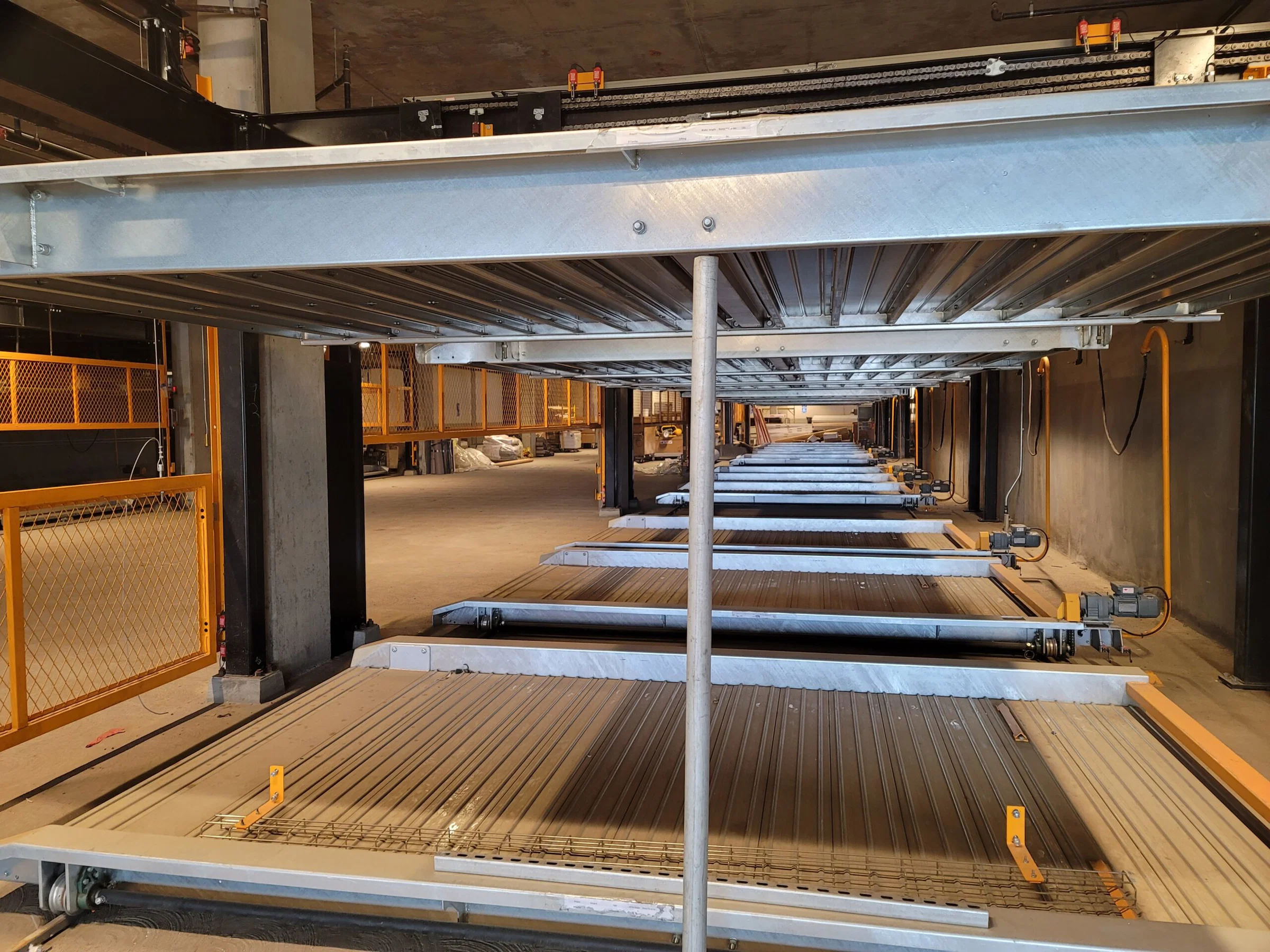
Commissioning is the point where an automated parking system stops being a construction scope and starts becoming an operating reality. That transition can go smoothly, or it can create weeks of confusion if the building team receives the equipment without a clean handoff. In multifamily and mixed-use garages, the difference often comes down to documentation, training, and communication.
Thank you for reading this post, don't forget to subscribe!A strong commissioning handoff is not just a final walkthrough. It is the structured transfer of operating knowledge from the installation side to the people who will support the garage day to day. When that handoff is clear, ownership teams, property managers, and service partners can start from the same baseline. That is one reason commissioning should be treated as part of a larger automated parking support strategy rather than a final box to check.
Start with a clear record of what was installed
The first requirement is simple: everyone should know exactly what equipment is in place. That means system type, operating layout, access method, control interfaces, and any site-specific conditions that affect use. A property team should not have to reconstruct this information from scattered emails or field memory after the installer has left the site.
A good handoff package gives the building a usable reference point. It should identify the installed equipment, show how the system is organized, and explain the operating assumptions behind the final setup. This is especially important for properties using different parking stacker configurations, where circulation, loading rhythm, and resident expectations may vary from one site to another.
Confirm who handles what after startup
One of the most common post-turnover problems is role confusion. Staff may not know whether a question belongs to onsite operations, building management, the installer, or the service team. During commissioning, those boundaries should be made explicit. The garage works better when everyone knows what the property can handle internally, what should be documented for follow-up, and what needs technical escalation.
That clarity matters just as much as the equipment itself. Without it, small issues can bounce between teams and take longer to resolve than necessary. A commissioning handoff should leave the site with named contacts, support pathways, and a consistent process for reporting what the garage is doing in the field.
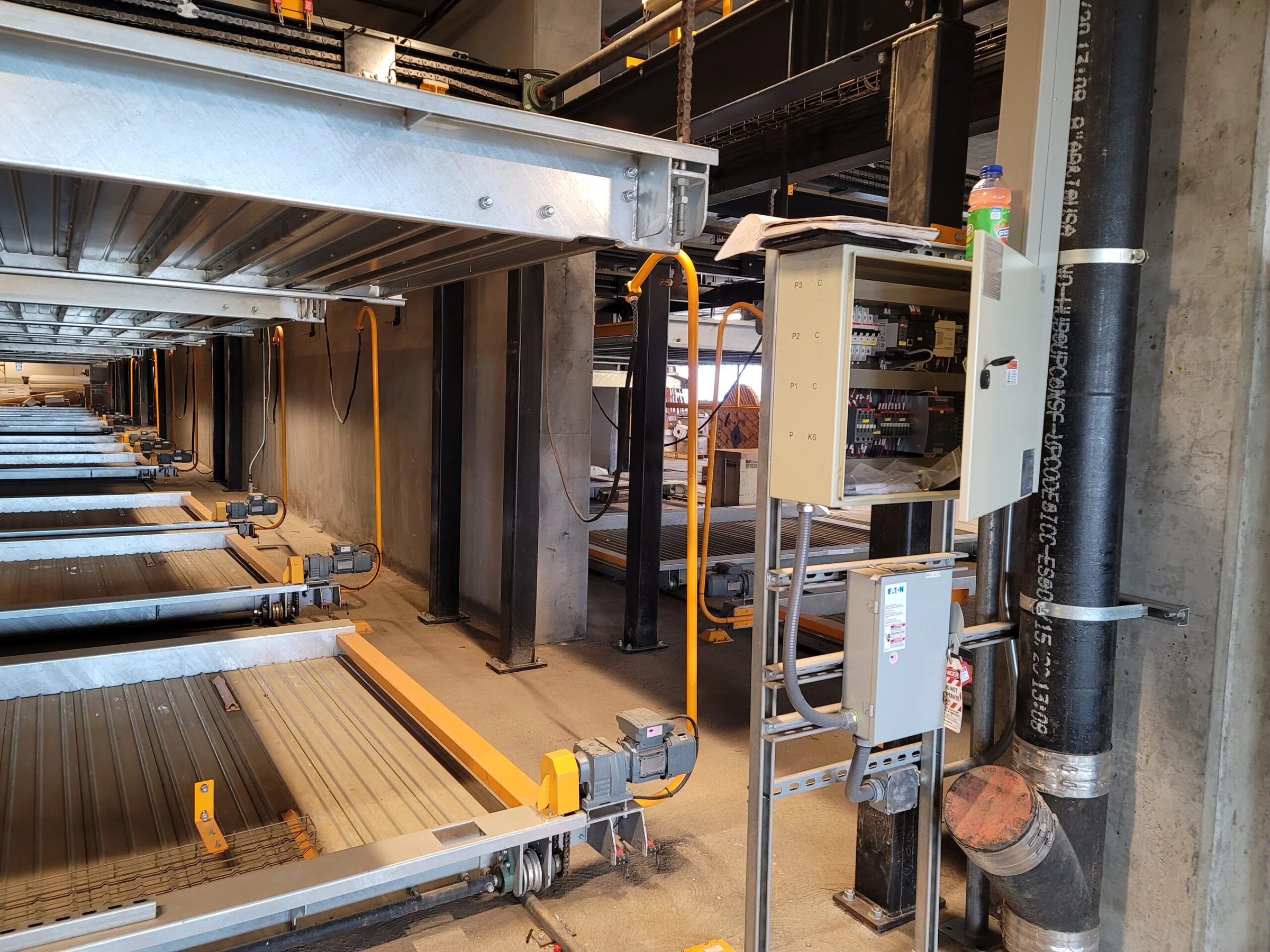
Make training practical for the people who will actually use it
Training during startup should focus on real operating situations, not only ideal demonstrations. Property teams need to understand how normal use looks, what recurring resident questions are likely to sound like, and what signs indicate that the system needs closer attention. The goal is not to turn onsite staff into mechanics. The goal is to help them respond consistently and avoid creating extra friction for residents.
Useful training also needs to survive turnover. Buildings change staff, and garages that rely only on verbal instruction tend to lose operating knowledge quickly. Commissioning should therefore include practical reference material that supports later onboarding and reinforces the same guidance after the initial startup period. That pairs well with the operational discipline built into a proper installation and startup process.
Document the first service and observation checkpoints
A handoff should also explain what happens next. The property needs to know what early observations should be tracked, when the first follow-up review is expected, and how operating notes should be captured if the garage shows repeat friction during the first weeks of use. This helps the team distinguish between normal early adjustment and patterns that deserve technical review.
That forward-looking piece is often missed. If the building only receives a startup handoff with no follow-through expectations, small recurring issues can stay informal for too long. Linking the turnover process to preventive service planning gives the property a clearer path from startup into stable long-term support.
Check signage, resident instructions, and access assumptions
Commissioning should verify more than mechanical readiness. It should confirm that the user-facing parts of the garage match how the system is intended to operate. Signs, access instructions, loading guidance, and resident-facing support language all affect whether the first month feels organized or chaotic. If those materials are incomplete, the system may work technically while the garage still feels difficult to use.
This is where site coordination matters. The team should leave commissioning with a shared understanding of the handoff materials residents will actually see and the staff language that will be used when questions come in. Clean startup communication reduces unnecessary calls, reduces avoidable workarounds, and gives the property a steadier operating rhythm.
Treat commissioning as the beginning of operations, not the end of construction
The best commissioning handoffs create continuity. They connect the installed system, the people supporting it, and the service pathway that will matter after residents begin relying on the garage every day. When those pieces are aligned, the site starts from a stronger position and later support conversations become more grounded in real operating evidence.
If your project is preparing for startup, a structured commissioning handoff can reduce confusion and help the property team move into operations with better documentation, clearer responsibilities, and more useful service coordination. If you want help planning that transition, contact The Trivial Company to discuss the site.