
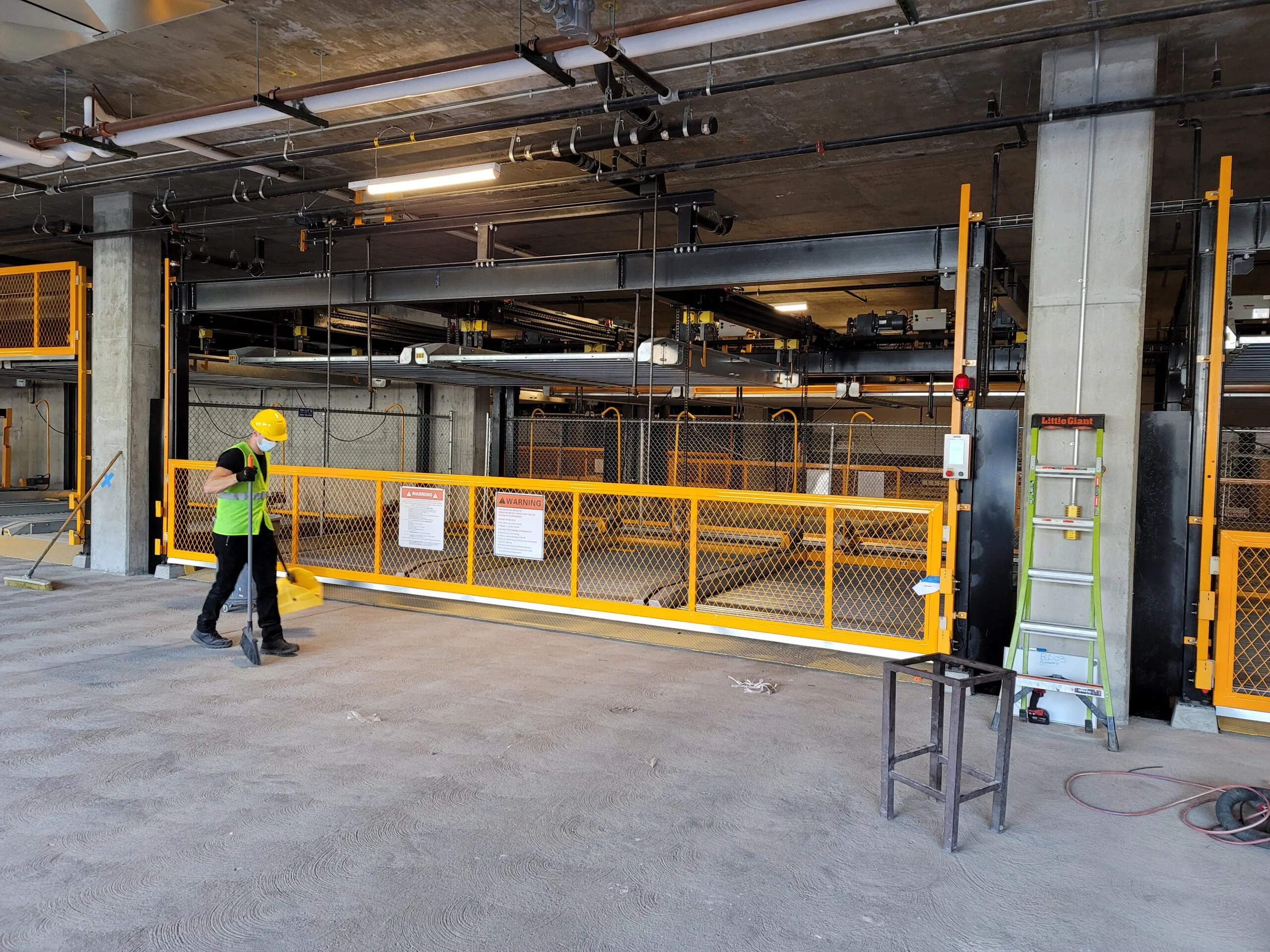
When a new multifamily garage opens with parking stackers or puzzle systems, the equipment may be installed and tested, but the property is not automatically ready for daily use. Turnover is the point where technical completion has to become practical operation. If staff, residents, and support teams do not understand the system well enough to use it consistently, avoidable issues start showing up fast.
Thank you for reading this post, don't forget to subscribe!That is why turnover training matters. A parking system does not need a major failure to create frustration. Confusion about loading positions, access timing, reset procedures, or escalation steps can be enough to turn normal startup questions into service calls. The smoother path is to treat training as part of turnover, not as something that gets improvised after move-ins begin.
Projects that pair opening readiness with installation service support usually get through the first operating cycle with fewer surprises, because the property team has a clearer idea of what normal use looks like and what should trigger real service attention.
Turnover is where operating habits get set
The first weeks of operation shape how a building will use its parking system for months afterward. Staff learn how to answer questions, residents learn how to interact with the garage, and the property develops habits around access control, response time, and issue reporting. If that learning period happens without guidance, bad habits can settle in quickly.
For example, a resident delay may get reported as a mechanical problem when the issue is really a sequence or timing misunderstanding. On-site teams may attempt workarounds that solve a short-term complaint but create confusion for the next person using the system. Even when the equipment is functioning correctly, inconsistent handoff can make the garage feel unreliable.
Training helps establish a shared baseline. It clarifies what users should expect, what staff should monitor, and when an issue belongs in a service queue rather than an operating conversation. That baseline matters because it reduces noise and helps real problems stand out sooner.
Staff need practical operating context, not just technical delivery
Multifamily turnover often focuses on keys, access lists, safety procedures, and vendor contacts. Parking systems need the same level of practical handoff. A property team should know who to call, what details to collect, and what immediate checks make sense before escalating a problem. They should also understand the difference between a resident-use question and an equipment issue.
That does not mean turning site staff into technicians. It means giving them enough context to support the building well. A strong turnover package usually includes basic use steps, communication guidance, issue categories, and a simple internal process for documenting what happened. When that framework exists, the building responds more calmly and consistently.
It also helps to align training with real site conditions. Every garage has its own circulation pattern, loading rhythm, and user expectations. A team that understands how the site is actually supposed to operate is better prepared than one that only received generic instructions disconnected from the property.
Resident confusion becomes service volume if no one gets ahead of it
Residents do not measure a parking system by engineering terminology. They measure it by whether they can park, retrieve a vehicle, and trust the process. If those first interactions feel unclear, the property may see repeated requests that look like service demand but really reflect incomplete turnover.
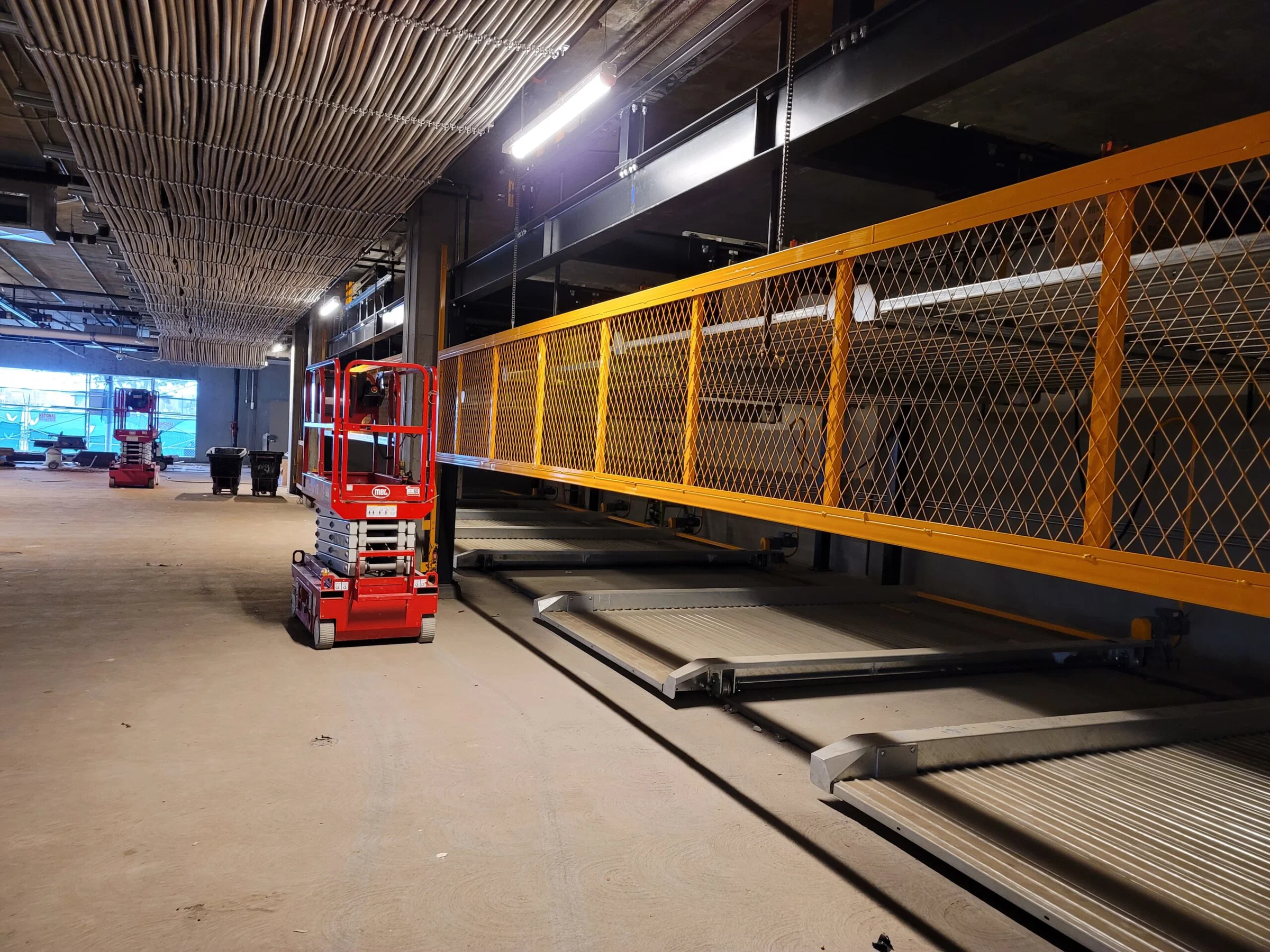
This is where simple user-facing guidance helps. Clear instructions on normal use, expected timing, and where to go for help reduce friction immediately. In many cases, providing basic parking stacker operating guidance early can prevent repetitive confusion from reaching the service side at all.
That matters because service resources are most valuable when they are focused on real maintenance or adjustment needs. If the team is spending time sorting out avoidable user confusion, response quality suffers for the issues that actually need technical attention.
Training supports accountability after move-in
One of the biggest advantages of a real turnover process is accountability. When staff know the escalation path and service expectations, problems are easier to document and easier to hand off. Instead of vague reports that a system is “not working,” the property can provide useful details about what happened, what the user saw, and what steps were already checked.
That improves response quality and shortens diagnosis time. It also helps ownership teams understand whether they are dealing with an isolated issue, a recurring pattern, or a need for additional training. In other words, turnover training does not just support the first week. It creates a better operating record for the months that follow.
Good turnover reduces avoidable emergency calls
Emergency service has its place, but it should not become the default way a new multifamily property learns how to operate its garage. When turnover is handled well, many early issues get resolved at the right level before they become urgent. Staff know how to respond, residents know what normal use feels like, and the service team gets cleaner signals when help is truly needed.
That is the real value of training. It protects uptime, reduces confusion, and gives the building a more stable start. For projects that rely on parking efficiency to make the site work, that stability is part of the resident experience and part of the long-term operating plan.
Make turnover part of the parking strategy
If your multifamily project is opening with stackers or puzzle systems, training should not be left to chance. A clear turnover process helps the garage perform more smoothly from day one and gives staff a practical framework for supporting residents. If you want help reviewing turnover readiness, service expectations, or on-site support needs, contact our team to talk through the site.