
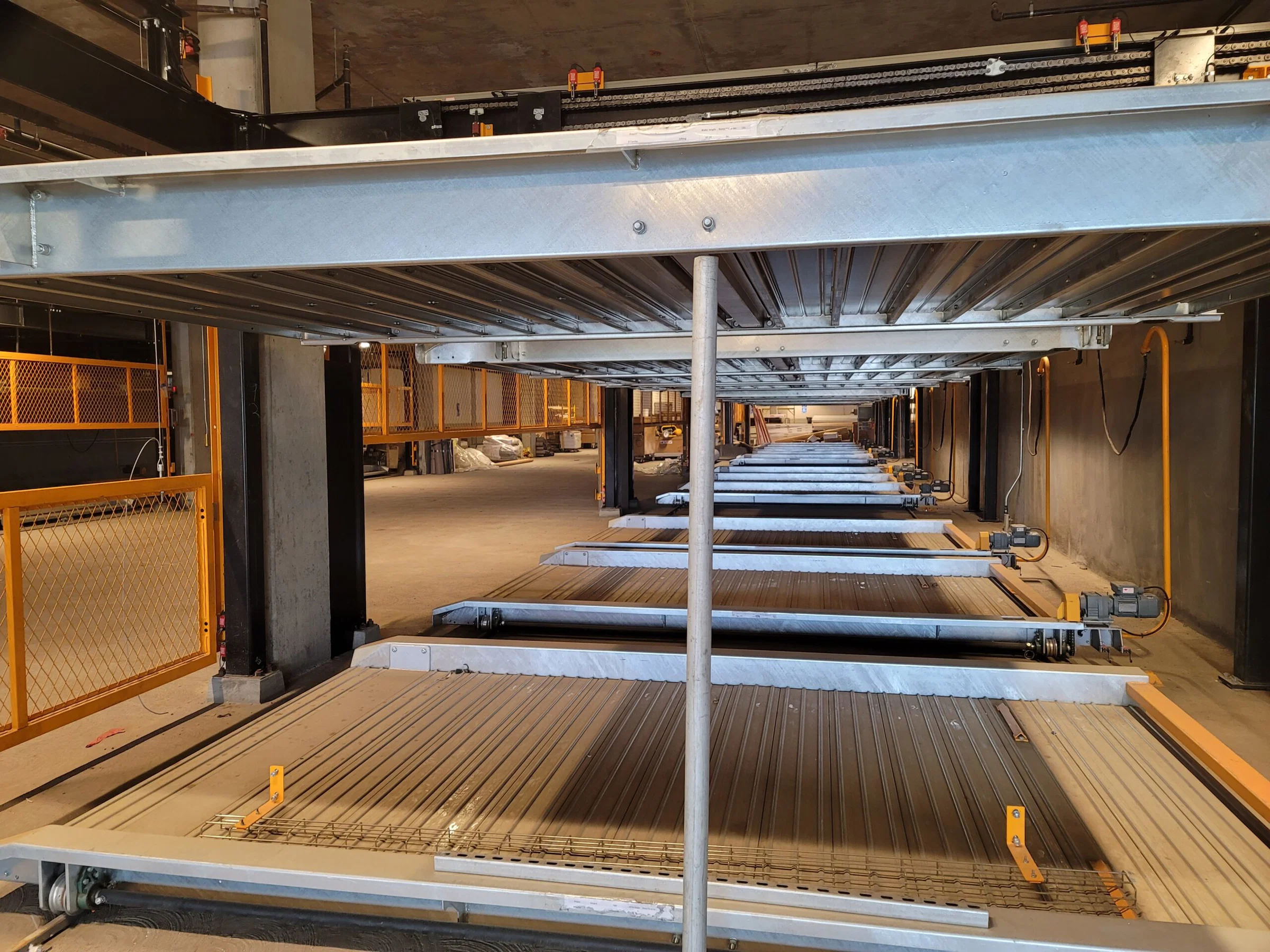
When a multifamily project depends on parking stackers or puzzle systems, availability is not just a maintenance issue. It affects leasing, resident confidence, turnover schedules, and the day-to-day flow of the building. A system that is down for even a short period can create backups, frustrate residents, and force property teams into reactive decisions. That is why a preventive service plan matters long before the first emergency call comes in.
Thank you for reading this post, don't forget to subscribe!For owners, developers, and property managers, the better question is not whether service will be needed. It is whether the building will approach service in a planned way or wait until a failure interrupts operations. The strongest projects treat parking system service support as part of the operating strategy from the start.
Emergency repairs are expensive because they happen at the worst time
Most emergency repair calls do not happen because a system is inherently unreliable. They happen because small wear items, adjustment issues, communication faults, or operating habits go unaddressed until they affect vehicle access. In a multifamily setting, that timing matters. A parking issue at 10 a.m. is inconvenient. A parking issue during morning resident exits, evening returns, or weekend move activity can become a building-wide disruption.
Reactive repair also compresses decision-making. Instead of diagnosing a trend and scheduling the right work window, the property team is forced to respond under pressure. That often means unplanned dispatches, resident messaging, coordination with on-site staff, and delayed access to part of the garage. Preventive service reduces that pressure by identifying wear patterns and operational issues before they become resident-facing problems.
Preventive service protects both the equipment and the building team
A good service plan is not just a calendar reminder. It is a structured process for checking mechanical movement, controls, sensors, safety devices, gate alignment, power conditions, and general operating performance. It also creates a record of what was inspected, what was adjusted, and what should be watched before the next visit.
That documentation helps building teams make better decisions. If a site sees repeated nuisance faults, inconsistent user behavior, or wear in specific components, the service history provides context. It also helps separate a true repair event from a preventable operating issue. In practice, that means fewer surprises and a clearer handoff between property management, maintenance teams, and service technicians.
Projects that build around preventive service planning usually respond faster when something does need attention, because the service partner already understands the site layout, equipment configuration, and normal operating pattern.
Turnover is the right time to set expectations
Many parking problems in multifamily buildings start at turnover, not years later. The equipment may be installed, but the operating rhythm of the property has not settled yet. Staff may still be learning how to manage access, handle resident questions, and identify the difference between a simple user issue and a true service concern. Without a clear turnover plan, the garage becomes a training ground under live conditions.

That is why service planning should begin before the first full occupancy cycle. Teams should confirm who handles resident support, what basic operating guidance is available on site, how issues are escalated, and what the expected service response path looks like. Even simple alignment on these points can keep a minor issue from turning into an emergency call.
Parking reliability is part of resident experience
Residents do not think about the garage the same way engineers or developers do. They think about whether they can get in, get out, and trust the system to work when they need it. In buildings where structured parking is tightly tied to unit count and circulation, that trust matters. If residents repeatedly encounter downtime, confusion, or unclear recovery steps, the parking system stops feeling like an amenity and starts feeling like a risk.
A preventive service plan supports resident experience by keeping normal operations normal. It reduces the frequency of avoidable disruptions, gives staff a clearer response path, and helps the property maintain confidence in a critical part of the building. For dense sites where parking efficiency was a major part of the original design strategy, that stability protects the value the system was supposed to deliver.
Service planning is easier than recovery planning
Every multifamily team eventually has to decide whether to invest time in preparation or spend more time reacting later. With parking stackers and puzzle systems, preparation usually wins. Scheduled checks are easier to coordinate than emergency dispatches. Staff training is easier to deliver before frustrations build. Clear service contacts are easier to use when they are already established, rather than searched for during a resident complaint.
The practical goal is straightforward: reduce avoidable downtime, catch small issues earlier, and give the building a stable path for ongoing operation. That does not eliminate every repair need, but it does improve how often repairs become urgent.
Build the service plan before the next problem arrives
Multifamily parking systems work best when service is treated as part of operations, not as a last resort. If your site relies on stackers or puzzle systems, now is the time to review inspection frequency, staff readiness, escalation steps, and long-term maintenance expectations. A little structure up front can prevent a much larger disruption later.
If you want help reviewing a garage, setting expectations at turnover, or building a practical service path for an active property, contact our team to talk through the site.